flooring colors for home staging
Best Flooring for Home Staging: Colors & Finishes That Sell
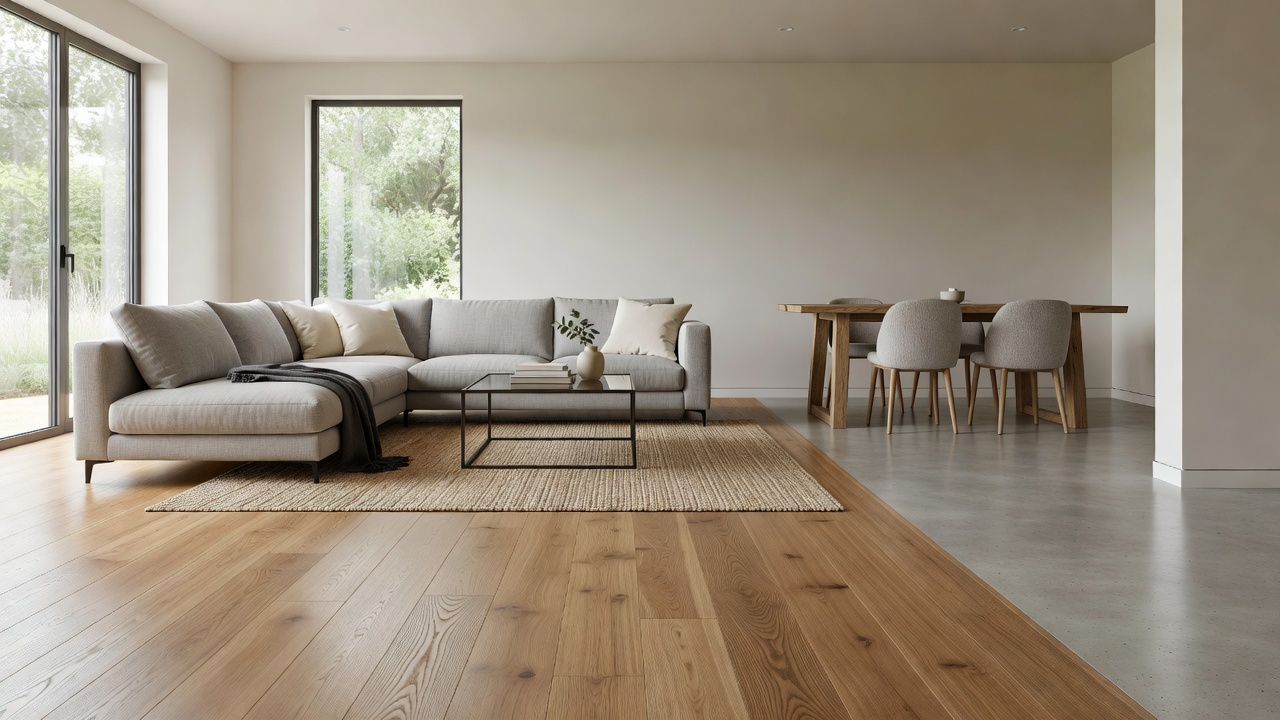 The living room is holding its breath in four o’clock light—linen sofa the color of raw silk, a single stem of dried lunaria catching gold, walls that feel like unbleached cashmere against the skin. Everything is poised. Then the eye drops, and the floor either lifts the entire composition into yes, I already live here or quietly apologizes for every scuff, every orange undertone, every decade it refuses to leave behind.
The best flooring for home staging is a neutral, light-to-medium wood-look surface—consistent from room to room, soft sheen, warm-neutral or cool-neutral undertones—that photographs cleanly and lets buyers project their own life onto the space. In plain language: the best flooring for home staging is the one that stages desire instead of autobiography. It is not “pretty.” It is permission.
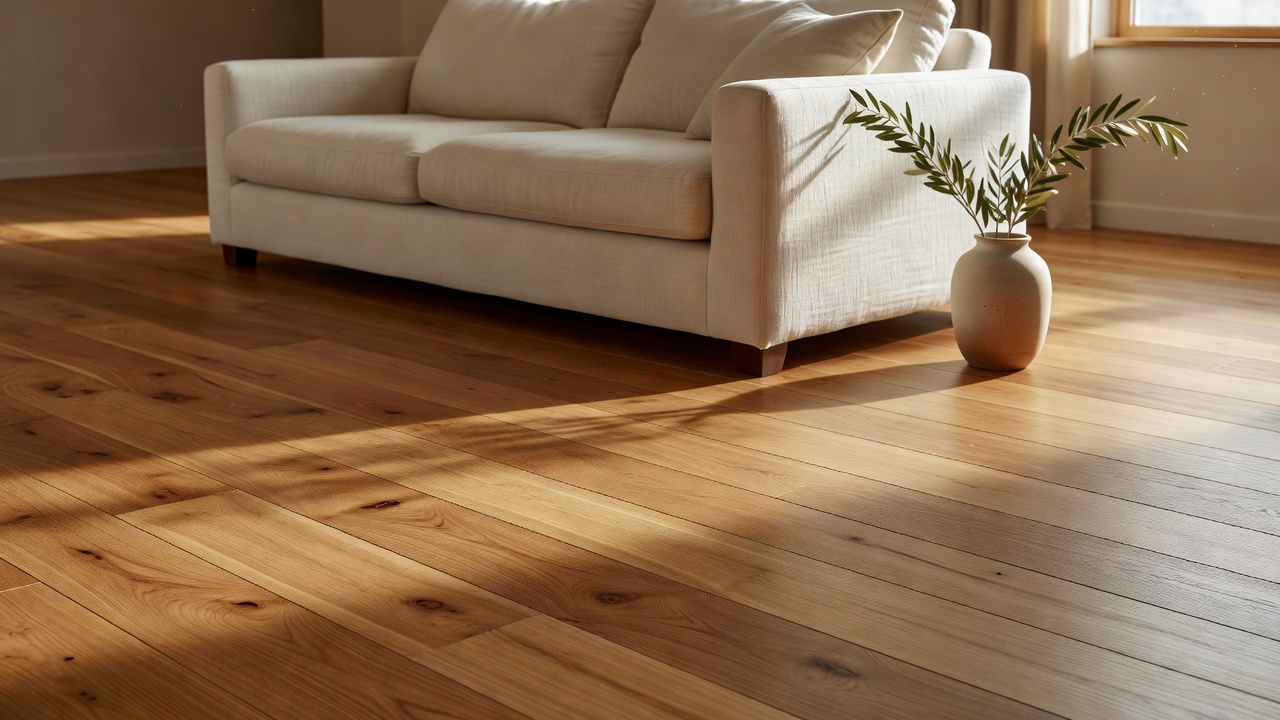
I have watched a buyer’s shoulders drop the second their heels clicked onto the right floor. I have also watched a $1.2 million listing sit because the original red oak had been polyurethaned into a high-gloss amber skating rink in 1998. Mood is not decoration. Mood is the floor deciding whether the room feels like a future or a regret.
What is the best flooring for home staging?
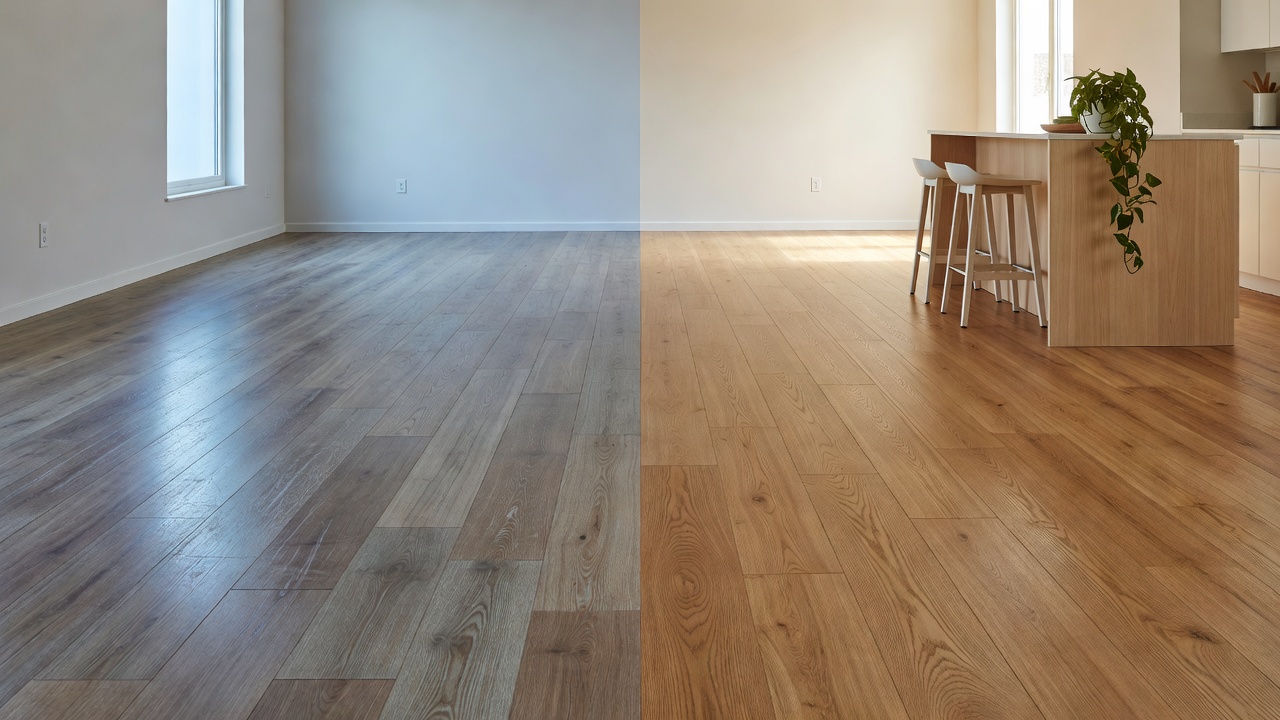
Light-to-medium neutral wood tones—think white oak, European white oak, or a carefully chosen wire-brushed LVP in the same family. Not grey (yes, I know, grey floors, I know—let me have the memory of 2017 before we bury it). Not espresso. Not anything with a heavy red or yellow cast that fights every paint sample under the sun. The undertone has to play well with both cool and warm furniture so the next owner’s mid-century walnut and their white bouclé can coexist without a fight.
Sheen matters more than most people admit. A matte or ultra-matte finish drinks light instead of throwing it back in the camera’s face. Satin can work if it’s truly soft; high-gloss is a hard no unless you are staging a 1920s lacquer fantasy (you are not). Consistency across sightlines is non-negotiable. Nothing kills the spell faster than stepping from engineered oak in the living room onto beige carpet in the hallway like the house suddenly forgot its own story. [LINK: consistent wood-look floors staging] is the quiet luxury move that makes open-concept feel intentional instead of patched.
Texture should whisper, not shout. Wire-brushed or lightly scraped surfaces catch just enough shadow to feel expensive in photographs. Smooth-as-glass planks can read cheap under phone cameras. And please—no busy hand-scraped “character” packages that look like they survived a bar fight. Buyers want calm. They want to imagine bare feet at 7 a.m., not a history lesson.
Should I refinish hardwood floors before listing?
If the bones are good—solid hardwood, no pet-urine black spots, no cupping—yes, almost always. A professional refinish in a modern neutral tone can return 100%+ of its cost in perceived value and frequently shortens days on market. I have seen tired honey oak transformed into a soft, greige-washed white oak look that made the entire house feel larger and quieter. The install people will tell you sanding is overkill and a screen-and-recoat is “fine.” They are wrong about the psychology, even if they are right about the budget. A screen-and-recoat on yellowed poly still leaves the old color story intact. Buyers feel it. Cameras feel it. I once had a client cry—actual tears—when we finally unveiled the newly matte-finished floors in her 1924 bungalow. Not because they were perfect. Because the house finally matched the life she was trying to sell.
If the hardwood is too thin, too damaged, or locked under layers of lead-based paint nightmares, then we move to the practical goddess: LVP.
LVP vs hardwood for staging—does the material actually matter?
Hardwood still carries the gold-standard halo for perceived value. Buyers walk in and their nervous systems register “real.” But modern luxury vinyl plank in a convincing white-oak or light-walnut visual photographs almost identically, installs faster, costs a fraction, and survives the open-house parade of strollers and muddy boots. For staging ROI, good LVP often wins on speed and consistency. I specify it constantly when the existing floors are a patchwork of three different woods and a sad kitchen vinyl. The key is choosing a product with a soft matte wear layer, tight bevels (or none), and an undertone that doesn’t go pink or green under LED bulbs. [LINK: LVP vs hardwood for staging] is less about snobbery and more about whether the floor disappears into the dream or keeps announcing itself as a compromise.
Here is the mood board I keep in my head for every staging floor decision:
- pale white oak with faint mineral streaks
- cool-neutral greige that still feels like wood, not concrete
- low-luster sheen that looks like it was oiled by hand
- continuous planks that erase room boundaries
- barefoot temperature, even if it’s vinyl
- the quiet confidence of a gallery floor that never competes with the art
That last one is personal. I still walk into my own bedroom and flinch at the too-warm pine I was too sentimental to replace five years ago. The rest of the house is staged for my life; that one room still belongs to a version of me who thought “honey” was a neutral. It isn’t. It never was.
How important is flooring when selling a house?
It is the largest continuous surface in every photograph and every in-person walkthrough. Worn carpet, dated tile, or violently orange hardwood can drop offers or add weeks. Fresh, neutral, consistent flooring routinely helps homes sell faster and closer to asking—sometimes above—because it removes the mental math of “we’ll have to fix this.” Does new flooring increase home value? Directly, the ROI sits in that lovely 50–100%+ range depending on market and material; indirectly, it multiplies everything else you staged. The sofa looks more expensive. The light looks cleaner. The buyer stays longer.
The install crews will roll their eyes when I specify a particular wire-brushed texture and a custom matte finish over the builder-grade satin they already have on the truck. I get defensive for half a second—then I concede they are right about timelines and traffic ratings. I am right about the feeling in the room when the light hits at 4 p.m. We both win when the house goes pending in nine days.
FAQ
What is the best flooring for home staging?
Neutral light-to-medium wood-look floors in consistent tones across rooms, preferably matte or soft satin. Hardwood or high-quality LVP both work when the color and sheen support buyer projection rather than personal taste.
Should I refinish hardwood floors before listing?
Yes if the boards are structurally sound. A full sand and refinish in a current neutral tone almost always outperforms a simple screen-and-recoat for staging impact and buyer response.
Should I replace my flooring before selling?
Replace when the existing floor is damaged, dated, or inconsistent enough to create mental friction. Otherwise refinish or strategically rug. Budget LVP is often the fastest high-impact swap.
Does new flooring increase home value?
It frequently returns a large percentage of its cost and can increase final sale price by making the home feel turnkey, while also reducing time on market.
How important is flooring when selling a house?
Extremely. It is the foundation of every photo and every first impression; neglected floors are one of the top subconscious reasons buyers hesitate or lowball.
When the last open-house heel has clicked away and the light goes violet against those quiet planks, the house should feel like it is already missing someone. Not you. Them. That is the entire job.
What’s the one room in your place that still doesn’t feel like the life you’re trying to step into?