Matte Finish Flooring Aesthetics Pros Choose Now
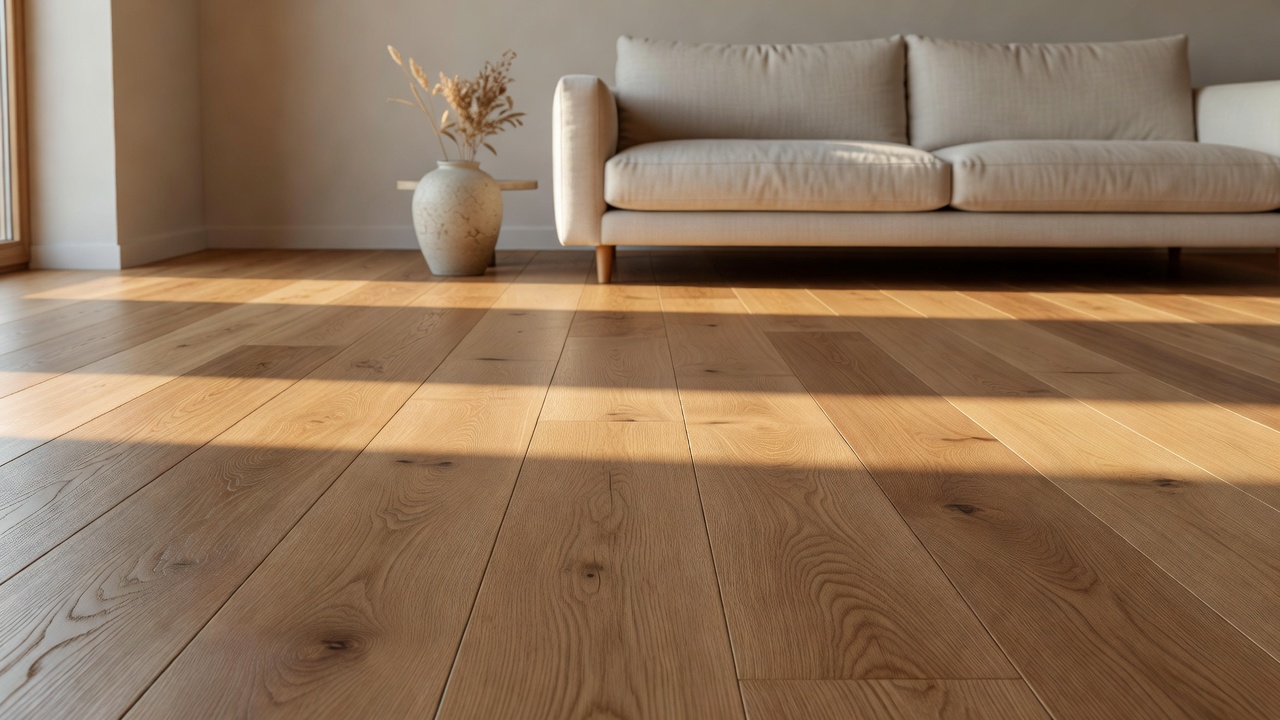
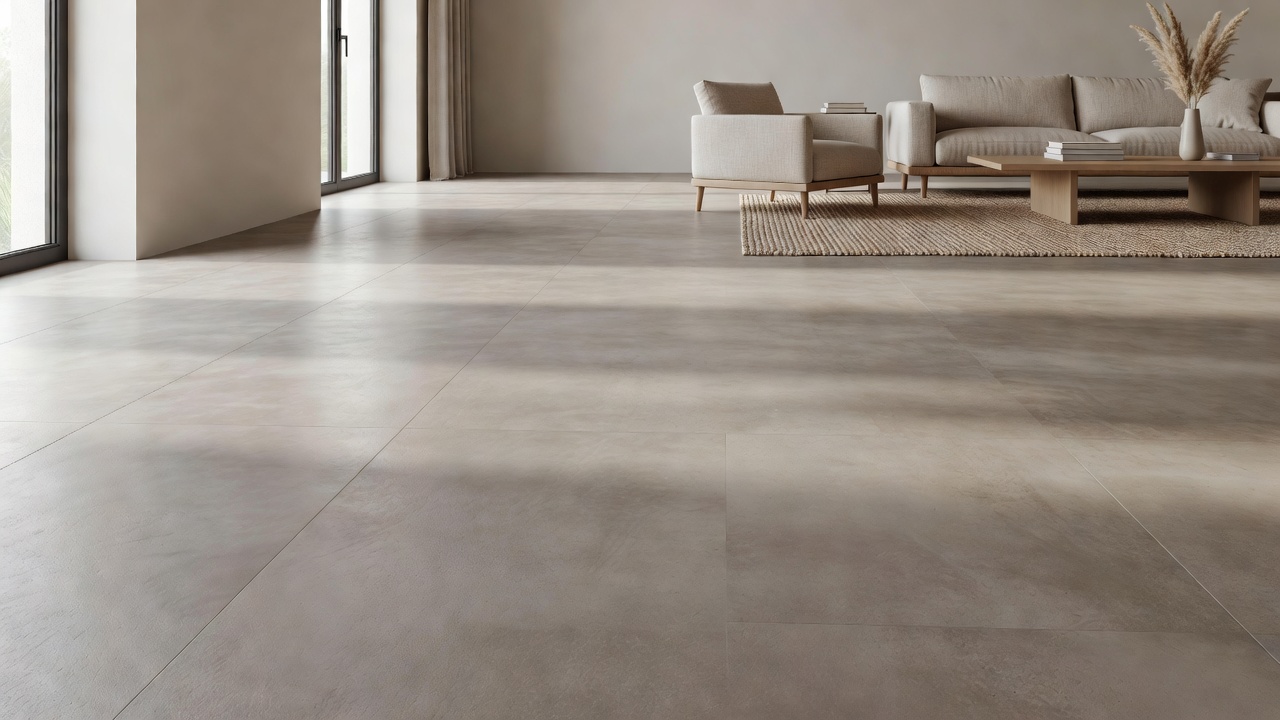 The late-afternoon light in that Noe Valley living room didn’t bounce. It settled. Honeyed and low, it traced the oak planks like a hand smoothing linen, catching every whisper of grain without a single hard glint off the surface. No glare on the camera lens. No plastic sheen competing with the linen sofa. Just material, present and breathing. That is the entire argument for matte finish flooring aesthetics in one held breath: they let the floor stop performing and start existing.
Matte finish flooring aesthetics are the low-sheen surface treatment that deliberately suppresses specular reflection so the eye reads texture, color depth, and organic irregularity first—creating warmer room mood and the kind of authentic material presence that photographs like quiet luxury and stages like a home already lived in.
I have staged enough houses to know the difference between a floor that looks expensive and a floor that feels inevitable. Matte is the latter. And in 2026, the shift toward low-sheen flooring trends isn’t a vibe—it’s a correction.
What is the best flooring finish for natural material aesthetics?
The best flooring finish for natural material aesthetics is matte—full stop—because it refuses to lacquer over the story the wood (or stone-look LVP, or textured porcelain) is already telling. Satin still carries a polite half-smile of reflection. Glossy is a billboard. Matte is the unfiltered close-up.
When I specify matte hardwood aesthetics for a client, I’m chasing that exact visual-tactile DNA: the way light dies softly into the pores instead of skating across a film. You see the cathedral grain. You feel the micro-texture under bare feet even before you touch it. That is material presence, and it is why matte finishes make even mid-grade European oak read like something rescued from a French farmhouse rather than ordered from a catalog.
Yes, the install people will tell me I’m being precious, that satin is more “practical,” that matte shows every water ring. They’re half-right about maintenance in high-traffic commercial spaces—and completely wrong about residential soul. I’ll concede the scuff conversation later. Right now I’m talking about how a room feels when the floor stops competing with the art.
Here’s the mood board in words I keep pinned above my desk for every matte specification:
- dry river stone under low sun
- unvarnished walnut cutting board after years of oil
- chalky linen that still holds its weave
- the soft charcoal of a well-loved sketchbook cover
- raw silk that catches light only at the edges
- the quiet taupe of weathered cedar shingles
That list is what low-sheen flooring trends 2026 are actually selling when the catalogs talk about “organic” and “grounded.” They’re selling the refusal of plastic shine.
Does matte flooring look more expensive or natural than glossy?
Matte flooring looks more natural than glossy—always—and more expensive precisely because it looks natural. Glossy floors announce their finish. Matte floors announce their material. In staging photography, that distinction is everything.
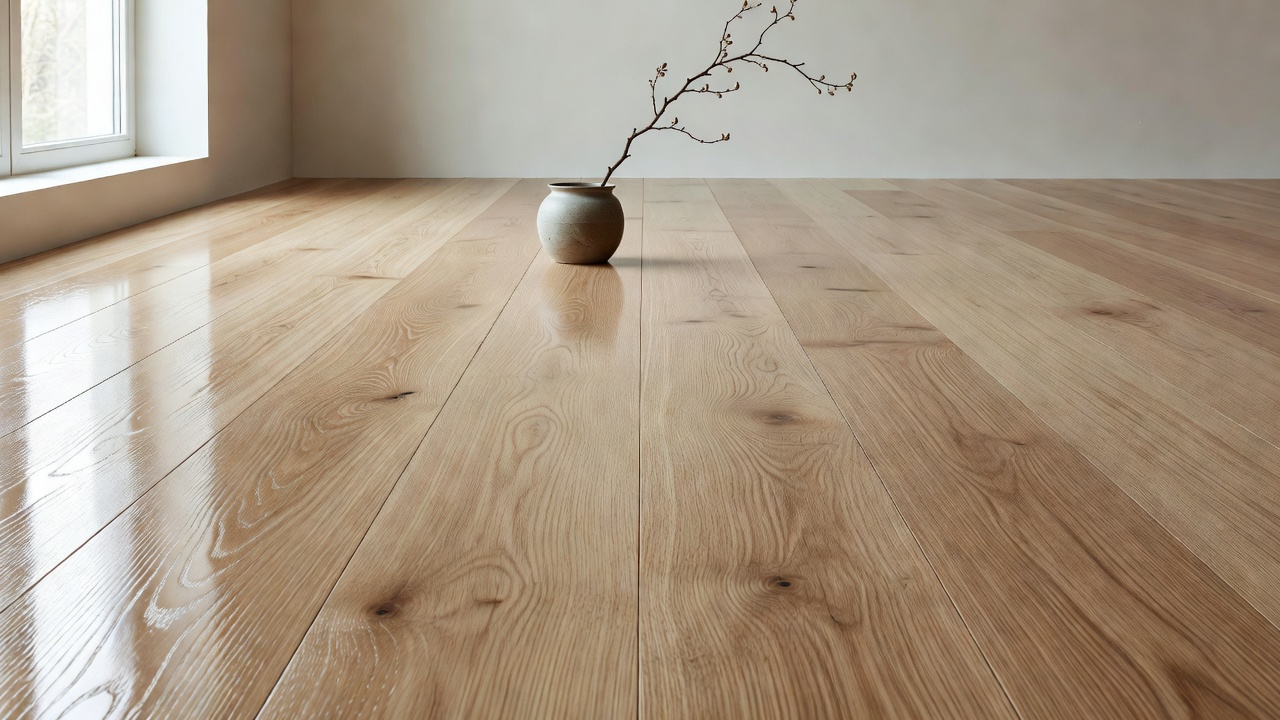
I once walked a Pacific Heights listing where the previous designer had gone full high-gloss walnut. Every window reflection turned into a second light source fighting the actual windows. Buyers’ eyes kept sliding off the architecture and landing on their own distorted faces in the floor. We sanded it back to a true matte. Same wood. Overnight the rooms felt twice as large and three times as expensive. The listing photographer nearly cried. The house went pending in nine days.
Glossy says “I am protected.” Matte says “I am real.” And in a market drowning in perfection, real is the luxury signal. Textured flooring material aesthetics thrive under matte because the finish doesn’t fill the micro-valleys; it leaves them. Your eye travels into the surface instead of bouncing off it. That depth is what registers as cost, even when the planks themselves are accessible.
How do matte finishes affect room mood and home staging?
Matte finishes lower the visual temperature of a room in the most flattering way possible. They create warmth without yellowing, calm without dullness. Light becomes ambient rather than directional. Shadows soften. The floor stops being a mirror and starts being a foundation—literally and psychologically.
For home staging, this is non-negotiable if you want emotional conversion. Prospective buyers don’t fall in love with reflections of themselves. They fall in love with the idea that they could live here, barefoot, on a Sunday. Matte hardwood aesthetics deliver that fantasy immediately. I’ve watched people exhale when they step onto a properly matted floor in a staged space. Shoulders drop. They linger longer in the primary suite. That linger is the sale.
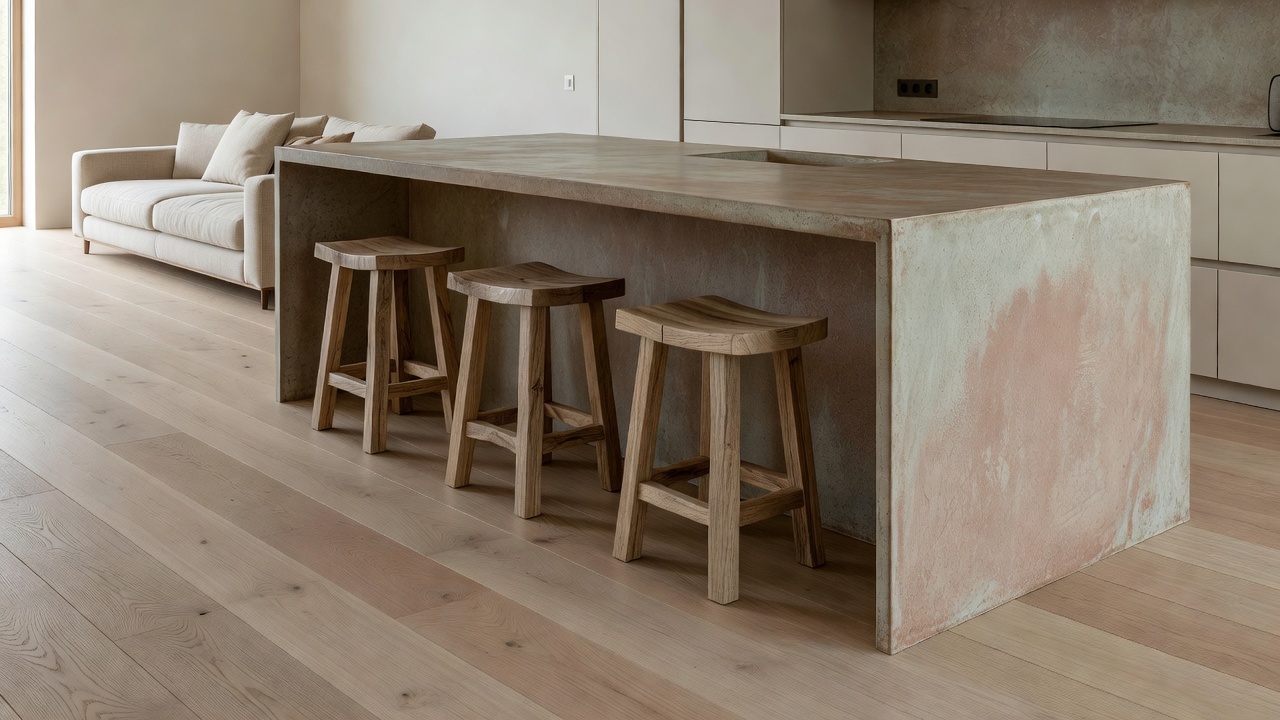
In smaller rooms or north-facing spaces, the reduced glare actually makes the square footage feel more generous because your eye isn’t constantly adjusting to hot spots. In open-plan living, matte keeps the floor from visually fragmenting the volume the way satin or gloss can. It’s the best finish for staging floors when the goal is quiet magnetism rather than showroom sparkle.
I still think about a Bernal Heights Victorian I staged two winters ago—the one where the client’s mother cried in the empty dining room because the matte white oak finally made the house feel like the one she’d grown up in, only kinder. I pretend that kind of reaction is just good design. Some nights I know it’s the closest I’ve come to making someone feel held by a room.
Matte vs satin flooring: which is better for modern homes?
For modern homes that want to feel current rather than cold, matte wins. Satin sits in the middle—still a sheen, still a slight lift of light, still a little 2018. Matte is the 2026 answer to the question no one wants to admit they’re asking: how do we make new construction feel like it has a past?
Satin can work in transitional spaces that need a whisper of polish. But pure modern—clean millwork, plaster walls, furniture with honest joinery—needs the floor to recede into authenticity. Matte vs satin flooring debates usually end with me pointing at the light fixtures: if you’ve invested in beautiful, directional lighting, why would you want the floor throwing competing sparkle back at it?
Natural look flooring finishes are having their moment exactly because we’re exhausted by surfaces that pretend to be something else. Matte doesn’t pretend. It reveals.
If you’re choosing finishes right now, start with the light in the actual rooms at 4 p.m., not the sample under showroom LEDs. Hold the matte board next to the satin. Watch which one lets the grain speak. Then decide whether you want your floor to be a surface or a presence. I already know which one I want living under my own feet.
For deeper dives into how these finishes photograph in real listings, see my notes on [LINK: home staging floor photography] and the material comparisons in [LINK: hardwood vs LVP texture guide].
FAQ
What is the best flooring finish for natural material aesthetics?
Matte is the best flooring finish for natural material aesthetics because it minimizes reflection and maximizes visible grain, texture, and color depth. Satin and gloss add a film that softens those qualities. Choose matte when the goal is authentic material presence rather than surface shine.
Does matte flooring look more expensive or natural than glossy?
Matte flooring looks both more natural and more expensive than glossy because it emphasizes the raw material instead of the protective coating. Glossy floors can appear dated or builder-grade under natural light. Matte reads as intentional and high-end in both photography and person.
How do matte finishes affect room mood and home staging?
Matte finishes warm a room’s mood by softening light and reducing glare, which makes spaces feel calmer and more expansive. In home staging they encourage longer buyer linger times because the floor feels lived-in and real. They are especially effective in listings that need emotional rather than purely visual impact.
Matte vs satin flooring: which is better for modern homes?
Matte is better for most modern homes because it supports clean architecture without adding competing sheen. Satin works for transitional schemes that want a slight polish. In 2026 the stronger trend favors true matte for its organic, low-glare authenticity.
Are matte floors harder to keep clean than higher-sheen options?
Matte floors hide fine dust and minor scuffs better than gloss in everyday residential use, though standing water marks can show more clearly until wiped. Regular dry microfiber maintenance keeps them looking intentional. The aesthetic payoff outweighs the slight shift in care routine for most design-focused households.
The right matte floor doesn’t ask to be admired. It simply makes every other choice in the room feel inevitable. What’s the one room in your home that still doesn’t feel like you yet—and what would it look like if the light finally settled instead of bounced?