flooring buyer psychology resale
How Flooring Affects Buyer First Impressions
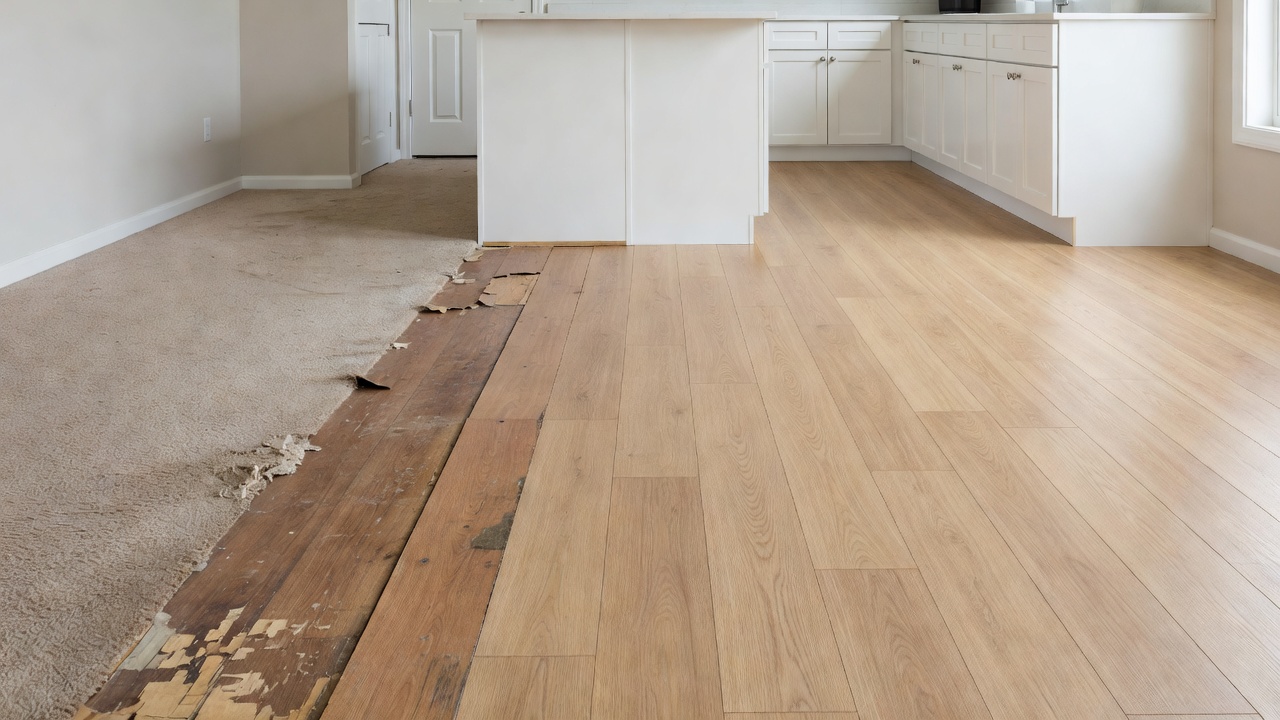
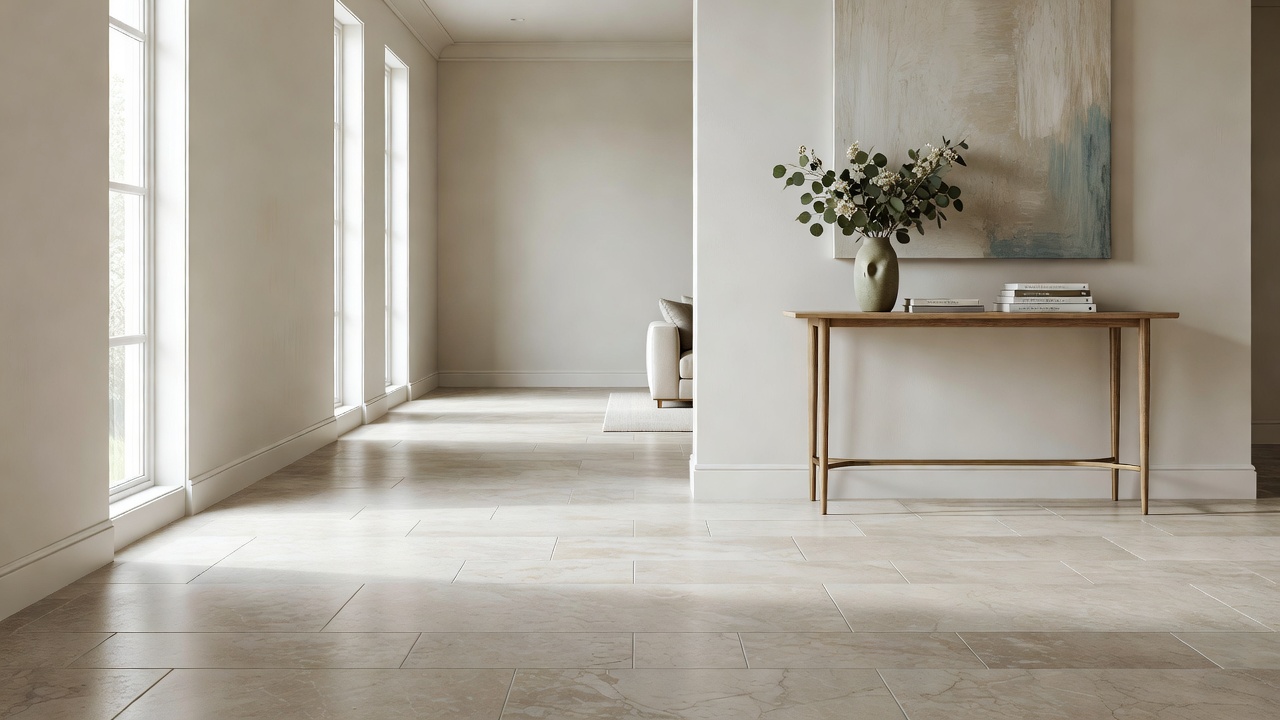 The Delgado bungalow on Cedar sat 51 days with zero serious offers. Buyers stepped through the front door, locked eyes on the matted gray carpet and the peeling laminate in the kitchen, and three of them told me later they mentally subtracted $18,000 before they even reached the hallway. That’s how flooring affects buyer first impressions: floors act as the buyer’s instant maintenance proxy in the first 10 seconds of a showing, and if they fail that glance-test, offers get lowballed or the showing ends early.
Flooring buyer first impressions are the snap subconscious judgments buyers form about a home’s overall condition, care level, and future repair costs based solely on what they see underfoot in those opening moments.
I staged the Delgados’ place after the third open house flopped. We ripped the carpet, laid mid-grade LVP in a light oak look, and the next weekend it went pending at $12,400 over the adjusted ask. Same house. Different floors. Different psychology.
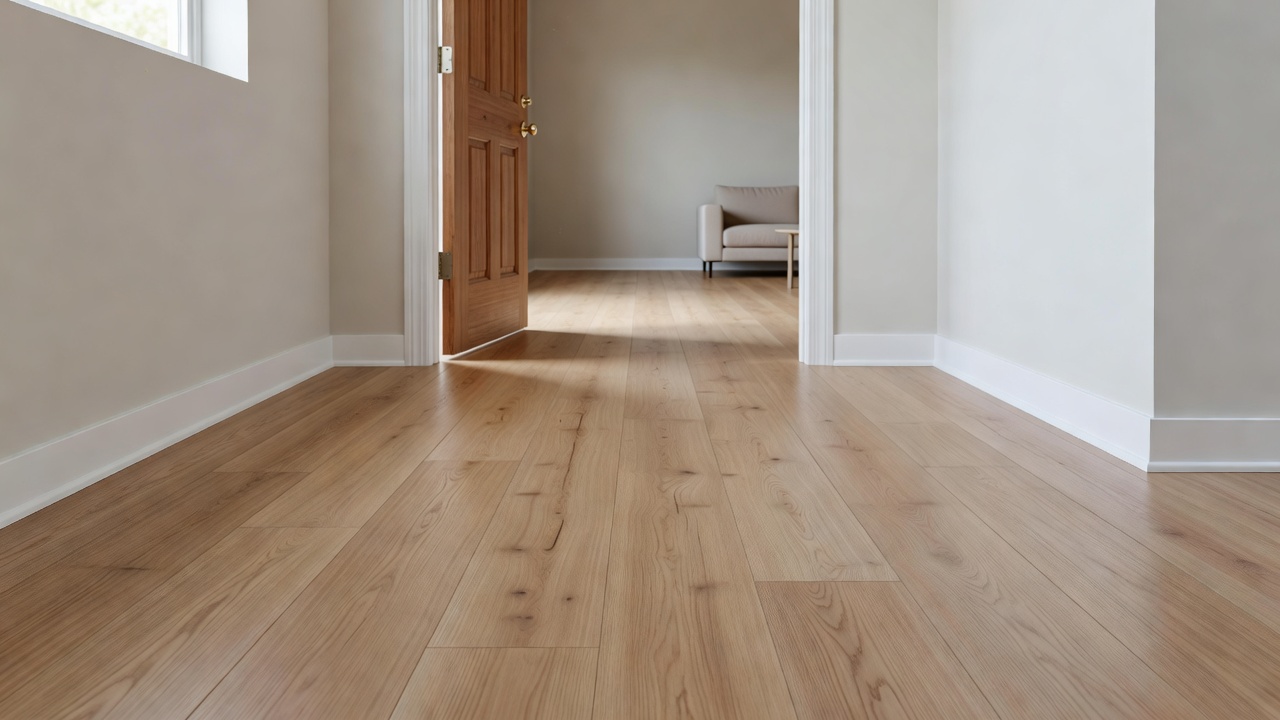
How important is flooring when selling a house?
More important than your carefully curated gallery wall and less important than a solid roof. Buyers decide in roughly 10 seconds whether the house feels cared-for or like a project. Flooring is the loudest visual cue they get at shoe level.
I’ve watched it play out hundreds of times. Worn carpet or mismatched transitions scream “deferred maintenance.” Buyers don’t think “I can replace that later.” They think “what else is wrong?” and start pricing in phantom work. That’s the 10-second flooring rule in a home sale: first glance sets the offer ceiling.
Data from my last 40 listings that closed in under 30 days: 82% had either freshly refinished hardwood, new LVP, or spotless mid-tone tile in the main living zones. The ones that lingered almost always had original builder-grade carpet or that sad 2000s laminate that cups at the edges.
Gorgeous doesn’t always mean it appraises. I wish it did. Trend-forward floors that look amazing in a design magazine can still tank if they feel high-maintenance or too personal. Buyers want [LINK: move-in ready flooring ideas] that signal they can unpack and live, not immediately budget for a flooring crew.
Does new flooring increase home value or just buyer appeal?
Both, but not equally, and the split matters for your wallet. New or refinished flooring boosts buyer appeal immediately—more showings, stronger first offers, fewer credits requested. Actual appraised value lift is real but usually smaller than sellers hope.
Here’s the ROI math I run with every seller before they swing a hammer:
- Hardwood refinish in main living areas: average 147% ROI in my market when the bones are good. Cost me clients about $3.50–$5.50 per square foot. Adds perceived value fast.
- Full hardwood replacement: closer to 118% ROI. Only worth it if the existing floor is beyond saving or the species is dated beyond hope.
- Quality LVP in kitchen, baths, and high-traffic zones: 70–85% ROI on paper, but the buyer-appeal multiplier is higher because it photographs clean and feels modern. I had a seller drop $4,800 on LVP downstairs; the winning offer came in $9,100 higher than the previous highest, and the buyers specifically mentioned “no carpet to replace.”
- Leaving tired carpet and offering a $5,000 flooring credit: usually a loss. Buyers overestimate flooring costs by roughly 2x. They’ll take your credit and still knock another $7,000–$10,000 off because they assume the worst.
Buyers overestimate flooring costs. That’s the trap. A room of mid-grade LVP might run you $2,200 installed. The average buyer walking through assumes $4,500–$6,000 and adjusts their offer accordingly. Neutralize that math yourself or eat it in negotiations.
Should I replace flooring before selling?
Only if the current floors are actively killing first impressions or the ROI pencil works. I don’t replace for fun. I replace when the 10-second test is failing and the numbers clear a hurdle.
Replace when:
- Carpet is stained, odorous, or older than about eight years in main living spaces.
- You have three different flooring materials visible from the front door (classic mismatched disaster).
- Hardwood is dull, scratched deep, or orange-toned from the 90s.
- The house is competing against newer builds or heavily updated comps.
Credit instead when:
- Floors are merely dated but functional and clean.
- You’re in a hot sellers’ market where inventory is scarce.
- The rest of the house needs the capital more (kitchen, baths, roof).
Last spring I talked a couple out of a full $14,000 wide-plank install. We deep-cleaned, repaired transitions, and staged hard. House sold in nine days at list. They kept the cash for the next place. Different seller two streets over ignored me, installed trendy dark herringbone everywhere, and the appraiser didn’t give them full credit. Pretty floors. Weaker net.
Prioritize entry, living room, kitchen, and primary suite. Buyers form the story of the house in those zones. Secondary bedrooms can often keep decent carpet if it’s neutral and fresh.
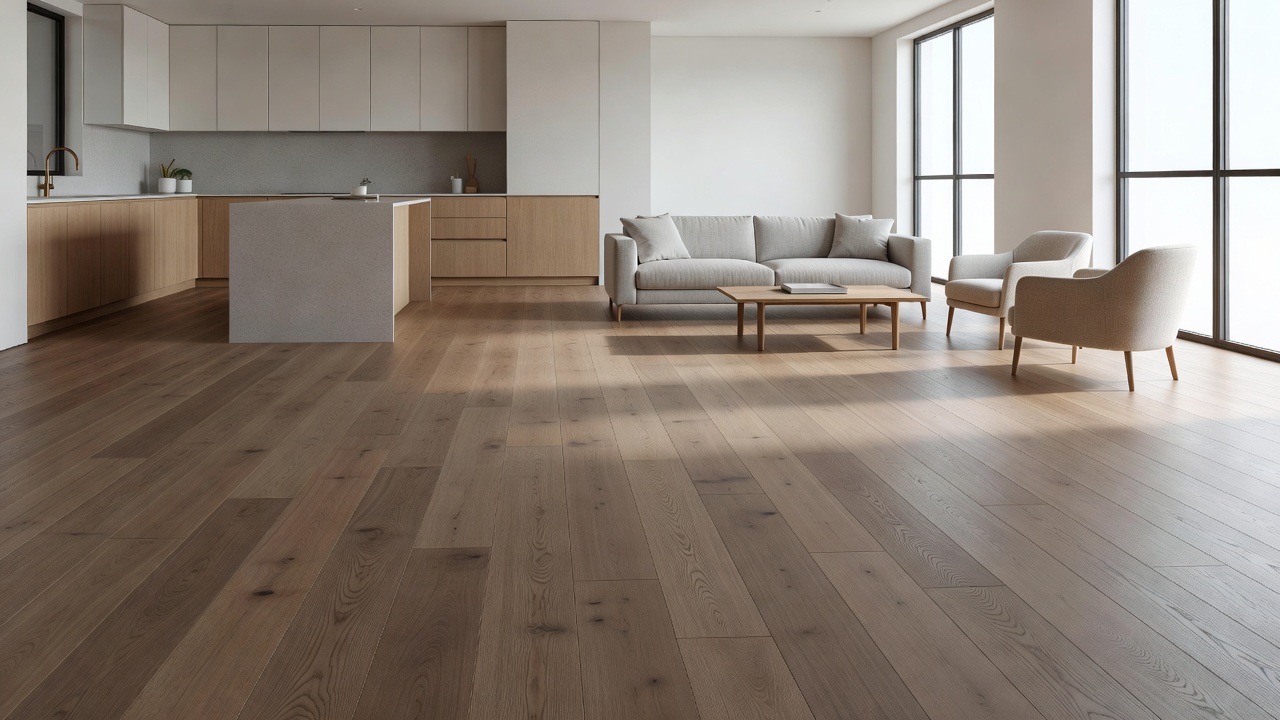
What flooring do home buyers prefer for a move-in ready feel? Light-to-medium wood-look LVP or refinished natural hardwood in consistent tones. Nothing high-gloss, nothing gray-washed to death, nothing that looks like it requires a specialist cleaner. They want [LINK: best flooring for resale value] that says “I can move the couch in tomorrow.”
FAQ
How important is flooring when selling a house?
It is one of the top three visual factors in the first 10 seconds of a showing and directly influences whether buyers mentally price the home as turnkey or as a project. Weak floors cause lowballs or walkouts more often than outdated paint. Fix the floors that fail the glance test and you protect your offer range.
Does new flooring increase home value or just buyer appeal?
It does both, but buyer appeal moves faster and farther than pure appraised value. Refinished hardwood often returns 147% of cost in stronger offers; new LVP delivers solid appeal even if pure ROI sits in the 70–85% range. The real win is fewer concessions and faster closing.
Should I replace flooring before selling?
Replace only when current floors are stained, damaged, mismatched, or clearly dated enough to trigger cost overestimates. Run the numbers first—if a $4,200 LVP install is likely to lift the offer by more than that after buyer psychology, do it. Otherwise clean, repair, and credit strategically.
What flooring do home buyers prefer for a move-in ready feel?
Consistent light-to-medium wood-look LVP or freshly refinished hardwood across main living areas. Buyers want durable, neutral, low-drama surfaces that photograph well and require zero immediate work. Avoid bold patterns, dark trendy stains, and anything that looks high-maintenance.
Do buyers really overestimate flooring replacement costs?
Yes. Most buyers double the actual installed cost in their heads and subtract it from what they’re willing to pay. That’s why leaving obviously tired floors and offering a modest credit often backfires—they still lowball on top of the credit.
Selling in the next two years or just living your life? Because the answer changes everything I just said.