Does LVP Look Cheap? Snob's 2025 Tasting Notes
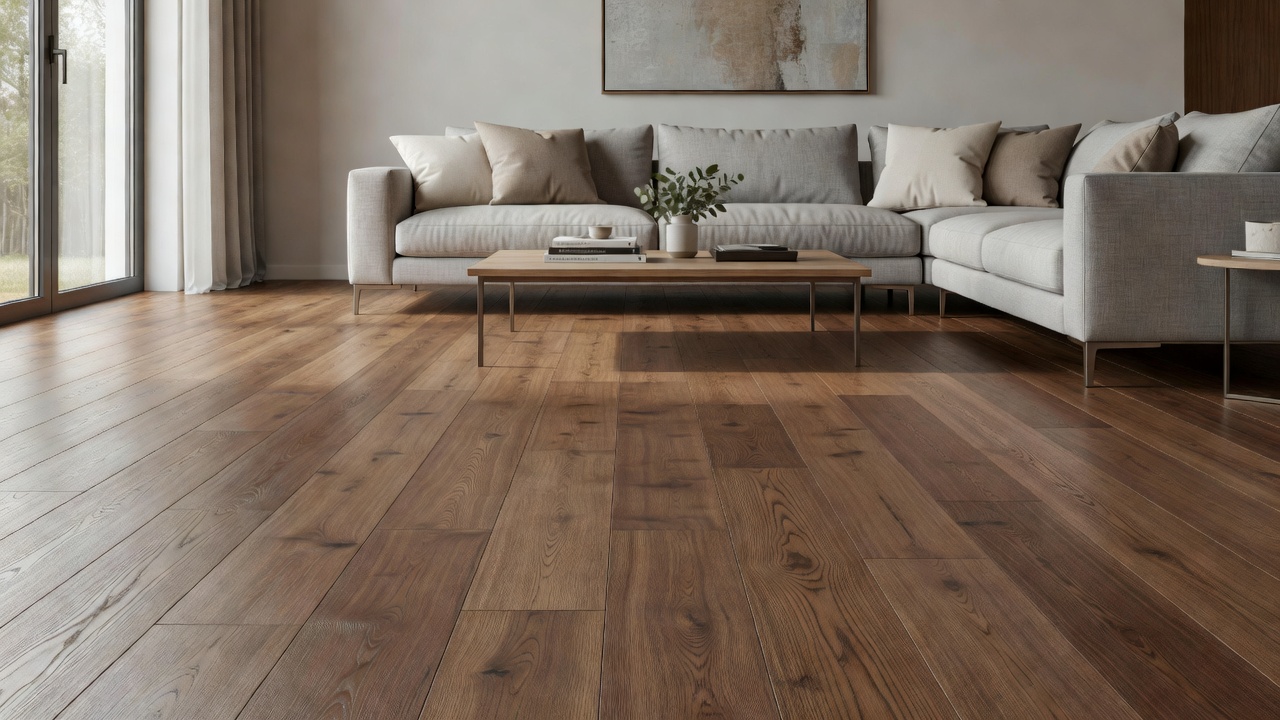 One does not simply walk across a plank of this nature and pronounce sentence. One experiences it. Does LVP look cheap? The short, unfashionable truth: frequently yes—when selected with the visual literacy of a motel renovation committee—but the better specimens now occupy a disconcerting uncanny valley of wood, fooling the eye at conversational distance while still whispering polymer to any sole that has known true oak. Luxury Vinyl Plank (LVP) is a multi-layer synthetic flooring product engineered with a photographic wear layer, rigid core, and textured finish expressly to imitate hardwood or stone without the biological inconveniences of either. I have rendered this verdict after swirling my socked foot across no fewer than eleven flagship showrooms (three of them, regrettably, the same Floor & Decor under different lighting schemes).
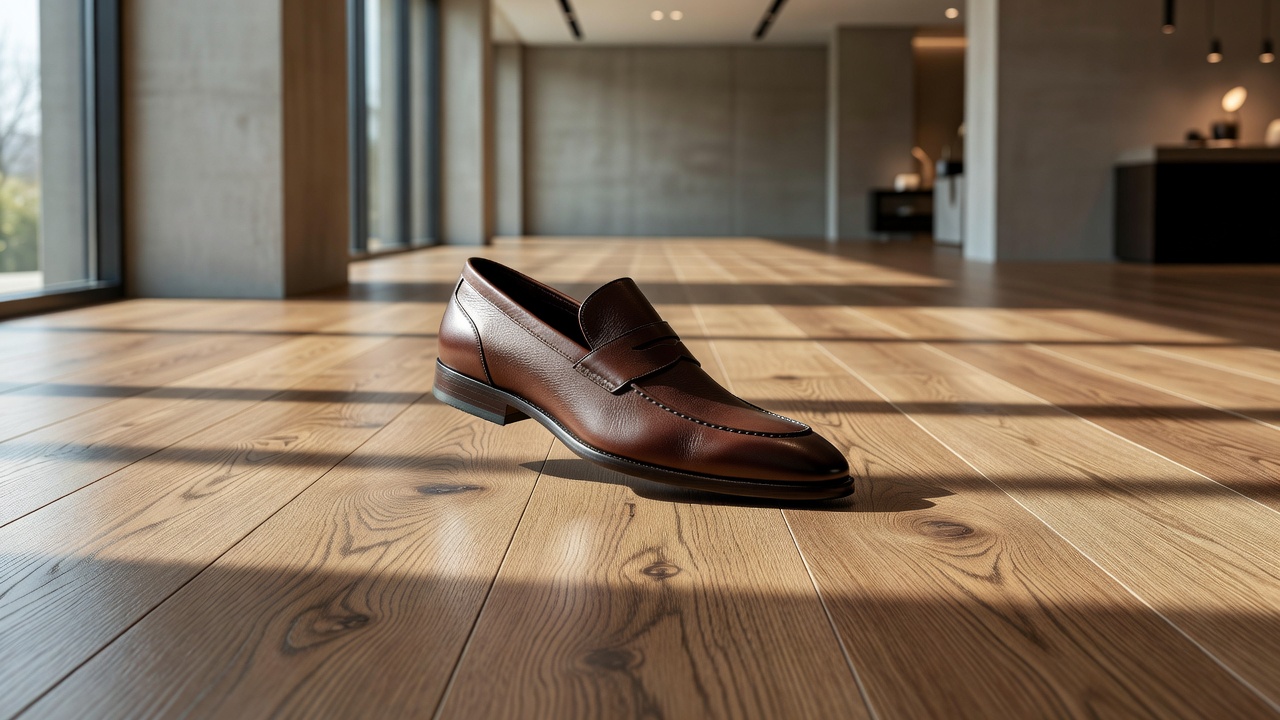
The tragedy—and the comedy—is that both camps are exhausting. On one side, the vinyl evangelists brandishing waterproof warranties as if they had discovered fire. On the other, the pearl-clutching hardwood purists who treat a drop of water on white oak like a moral failing. I have watched both species perform their little theater under the fluorescent heavens of the big-box aisle, and I am here to apply proper tasting methodology before anyone else commits an irreversible aesthetic crime.
Can LVP look as good as real wood?
Occasionally. That is the most generous pour I can offer. The photographic layers have grown sophisticated; certain rigid-core lines now carry enough variation in grain, knot placement, and color drift that a guest sipping rosé at your island may never interrogate the floor. Stand closer, however, and the repetition reveals itself—the same three “unique” planks marching in formation like a poorly cast community-theater chorus. Real hardwood possesses the arrogance of singularity. No two boards agree on anything. LVP agrees too much.
I once spent forty minutes in a showroom comparing a $4.29-per-square-foot “Heirloom French Oak” LVP against an actual select-grade white oak sample. On the nose: the LVP offered faint notes of cold press and quiet ambition, with a top note of new car. The hardwood presented warm tannins, a hint of unfinished attic, and the unmistakable finish of something that once photosynthesized. Mouthfeel (sole-feel, if we are being precise) told the rest. Hardwood yields with aristocratic reluctance. LVP yields like a well-trained hotel mattress—consistent, forgiving, and faintly depressing.
For those still weighing the broader material debate, my notes on [LINK: hardwood vs LVP] remain essential reading. The visual arms race continues, yet the soul gap persists.
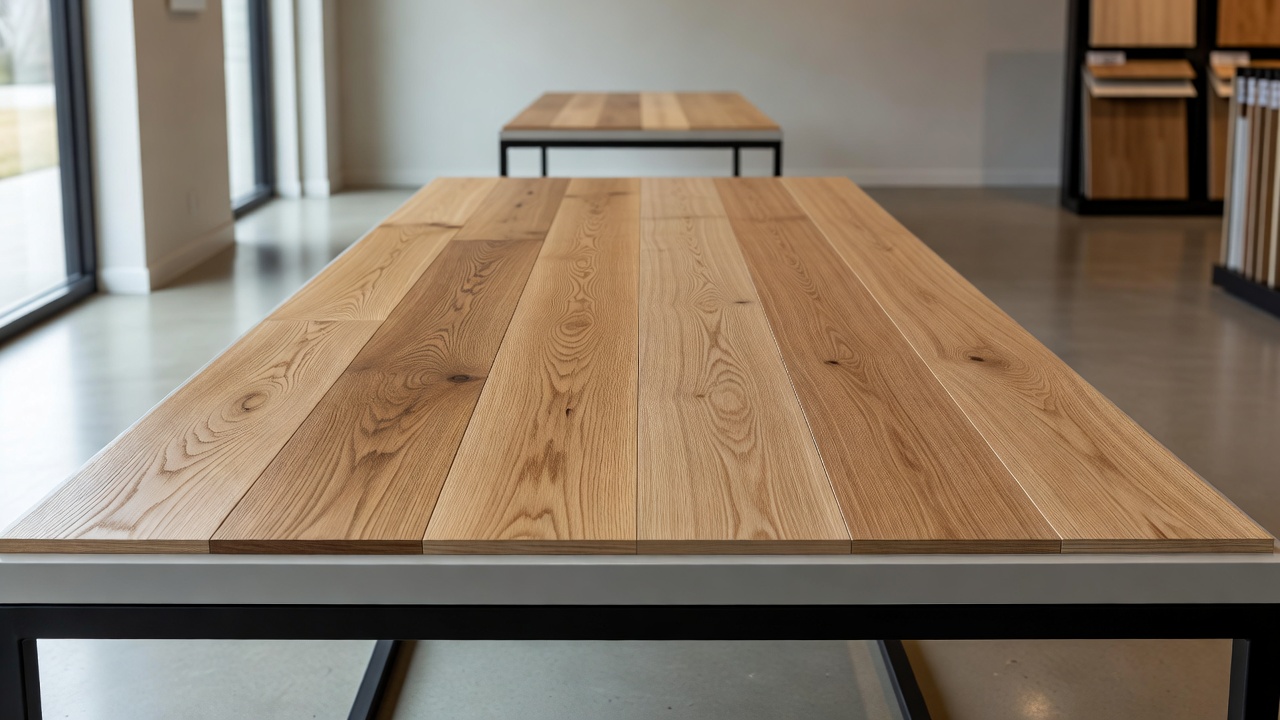
Is LVP cheaper than hardwood—and does that make it look cheap?
Yes, LVP is dramatically cheaper than solid or even most engineered hardwood, and that economic reality is precisely why the “cheap” accusation clings like a poorly adhered underlayment. Installed LVP commonly lands between $3 and $8 per square foot; respectable hardwood still demands $8 to $20-plus before one has even tipped the installer. The price tag itself becomes a sensory note. Guests do not need a receipt to sense when a floor was chosen for its refusal to complain about puppies and red wine rather than for its provenance.
Yet cheapness of cost and cheapness of appearance are not identical twins. I have seen $12 hardwood installations that looked like a clearance bin of regret, and I have walked $5 LVP that achieved a serviceable bistro elegance—provided the lighting was dim and the conversation lively. The danger lies in the mid-tier “wood-look” offerings that try too hard: exaggerated bevels, cartoonish grain printed at 300 dpi of desperation, colors named things like “Toasted Cognac Whisper.” These are the bottles with animals on the label. One knows immediately.
A brief, unbidden confession: I recently reviewed a particularly ambitious LVP in the unit I currently inhabit (the landlord’s choice, naturally). I had to Google “SPC core deflection ratings” on my phone while crouched in the hallway like a man checking whether the rosé had corked. The floor did not look expensive. It looked adequate. Adequacy is the true enemy of the discerning sole.
Does LVP lower home value?
It can, and often does, when the alternative was clearly hardwood and the buyer possesses even a rudimentary palate. Appraisers and serious purchasers still assign a premium to refinishable, repairable, real surfaces. LVP’s waterproof swagger and scratch resistance are virtues in a rental or a primary bath, yet in a formal living space they read as a calculated retreat from permanence. I have overheard agents perform the softest possible euphemisms—“low-maintenance luxury vinyl throughout”—while prospective buyers’ eyes glazed with the particular sorrow reserved for discovering the “marble” is also vinyl.
That said, a tired, cupping, pet-destroyed hardwood floor lowers value faster than a crisp, well-chosen LVP. Context is the final tasting note. For a deeper pour on whether the material justifies itself long-term, consult the companion piece on [LINK: is LVP worth it]. Spoiler: sometimes the answer is a reluctant, sock-footed yes.
Tasting Notes: Three Current LVP Contenders
“Alpine Timber Rigid Core” — 6.5 Insoles out of 10
On the nose: clean polymer, distant sawmill, a whisper of hope.
Palate: convincing mid-tone oak illusion from standing height; close inspection reveals the repeating knot pattern like a bad alibi.
Finish: soft bevels that try to suggest hand-scraping and mostly suggest laser.
Pairing: open-concept kitchens owned by people who entertain but do not host.
“Château Noir SPC” — 7.5 Insoles out of 10
On the nose: darker, almost mahogany ambition with a surprising absence of plastic off-gassing.
Palate: excellent variation for the category; the embossing actually aligns with the print in places, a minor miracle.
Finish: matte enough to avoid the dreaded vinyl glare under recessed lighting.
Pairing: basements that wish they were wine cellars.
“Heritage Plank Ultra” — 4 Insoles out of 10
On the nose: aggressive new-shower-curtain.
Palate: the uncanny valley incarnate—too shiny, too uniform, the flooring equivalent of a wax fruit centerpiece.
Finish: high-gloss regret.
Pairing: nowhere I am willing to be photographed.
One must acknowledge the budget-conscious flooring content creators who insist any resistance to LVP is mere snobbery. How charming that they have never been forced to live with the consequences of their own recommendations. Some of us maintain standards even when the Amex has opinions of its own.
Which lasts longer — hardwood or LVP?
Hardwood, properly maintained and refinished, outlasts LVP by decades and occasionally by generations. LVP’s wear layer eventually abrades, dents become permanent biography, and full replacement is the only encore. Hardwood can be sanded back to youth two or three times if the original millwork was generous. Longevity, however, is not the same as daily pleasure. An immortal floor one hates is a longer sentence.
FAQ
Is LVP cheaper than hardwood?
Yes. Most LVP installs for roughly one-third to one-half the cost of quality hardwood once labor and materials are totaled. The savings are real; whether they feel like victory or surrender depends on the room and the soul occupying it.
Which lasts longer — hardwood or LVP?
Hardwood lasts longer when refinished and protected from chronic moisture disasters. LVP typically offers 15–30 years of service before looking tired, after which replacement rather than restoration is the path.
Does LVP lower home value?
It can modestly depress value in markets that fetishize hardwood, especially on main levels. In moisture-prone zones or contemporary flips aimed at practical buyers, the penalty shrinks or vanishes.
Can LVP look as good as real wood?
From a distance and under flattering light, premium LVP can look remarkably close. Under bare feet, direct sun, or the gaze of anyone who has ever paid for solid white oak, the difference remains detectable.
Does vinyl flooring look cheap in 2025?
The worst of it still does—loudly. The best of it has learned restraint and now commits only quiet, well-dressed deception. Choose poorly and your floor will announce its price point more reliably than any realtor’s flyer.
So: does LVP look cheap? It looks exactly as expensive as the taste and lighting budget of the person who selected it. The material itself is neutral clay. I have rendered my notes. The rest is between you, your contractor, and whatever gods still care about grain continuity.
I shall be in the clearance aisle if needed—there is a damaged box of the Château Noir marked down 40 percent, and even a connoisseur recognizes a vintage worth cellaring under the bed.