How to Read Flooring Product Reviews Like a Snob
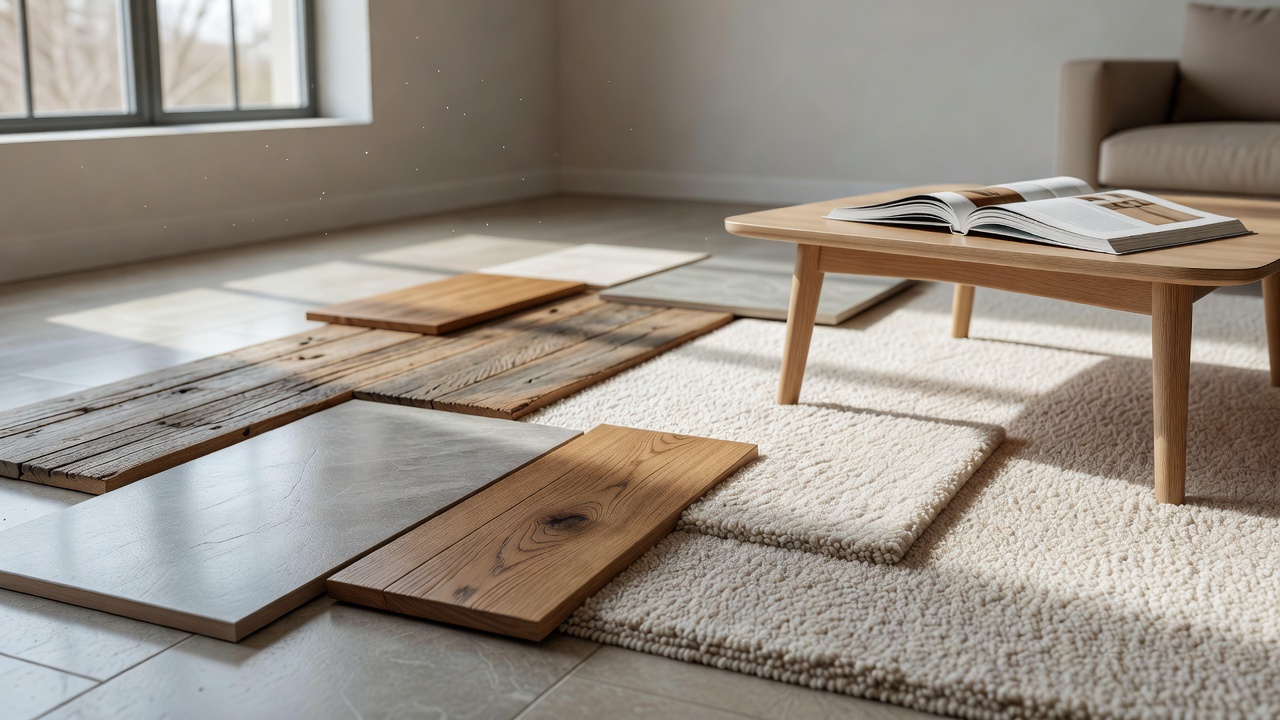 One does not simply scroll through flooring product reviews. One decants them. To read flooring product reviews like a snob is to approach every five-star ode and one-star screed as a sommelier would a dubious Bordeaux—swirl the claims, sniff for the cork of sponsored content, and judge the finish underfoot. Reading flooring product reviews is the disciplined art of extracting genuine performance signals from marketing theater, paid praise, and the breathless hyperbole of people who have owned the plank for eleven days. Do this correctly and you will never again confuse a pretty sample with a floor that survives actual life. Do it poorly and you join the ranks of those who install first and weep later.
I have walked the flagship showrooms—eleven of them, if one counts the three Floor & Decors and that surprisingly civilized Lumber Liquidators with the decent espresso machine—and I have learned that the review itself is often the most revealing surface in the room.
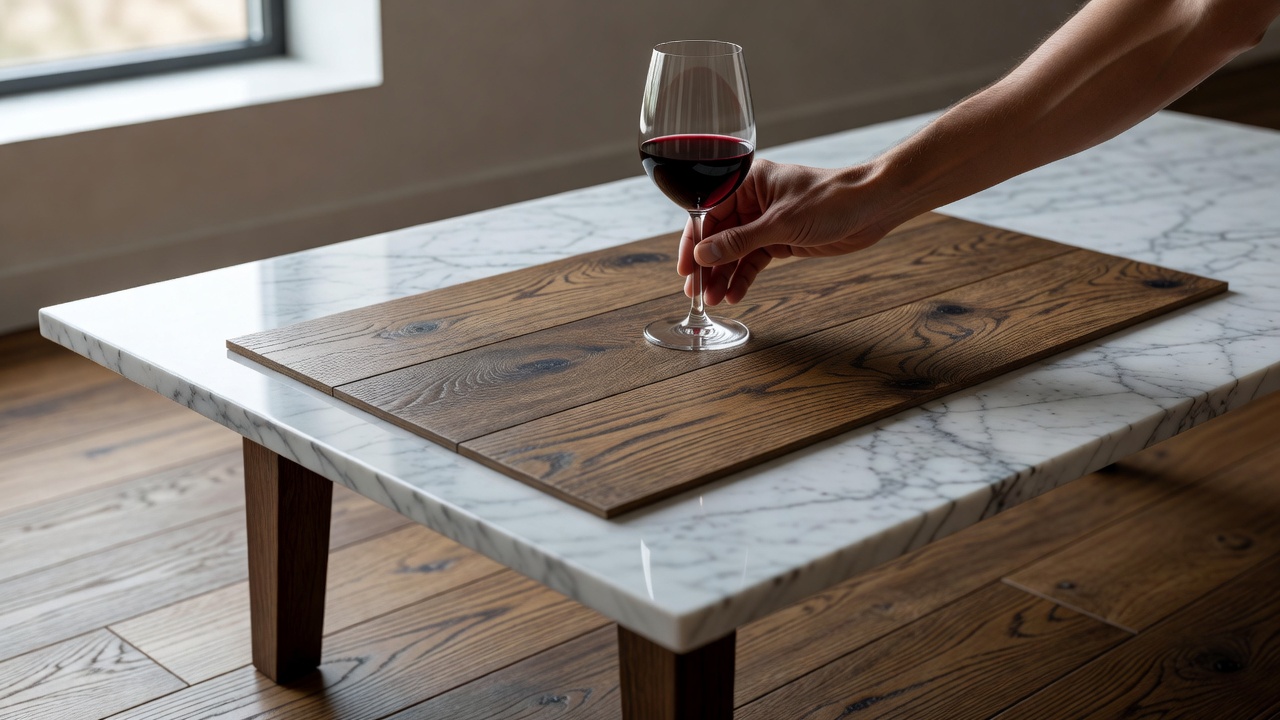
Are online flooring reviews trustworthy?
Rarely in the way the algorithm pretends. Online flooring reviews are trustworthy precisely to the degree that you treat them as unfiltered field notes rather than gospel. The five-star chorus that arrives within forty-eight hours of delivery is almost always the sound of free product or affiliate hope. The one-star tantrum that never mentions the product and instead rants about shipping is ambient noise. What you want are the three- and four-star reviews written six to eighteen months later by people who still live with the floor. Those are the ones that mention pet claws, the dark corner by the dishwasher, or the way the locking system began to telegraph after the second summer.
Showroom reviews and online reviews occupy different climates entirely. In the showroom the lighting is flattering, the temperature controlled, and the salesperson’s shoe never scuffs. Online, someone has already dragged a refrigerator across it. Cross-reference both. When a brand’s [LINK: LVP wear layer claims] glow in the brochure yet the long-term owners keep mentioning “fine scratches that catch the afternoon light,” believe the owners. Lab tests from the serious houses measure scratch, stain, dent, water, and fade with admirable rigor; real reviews measure whether your actual dog and your actual chair legs care about those numbers.
I once spent an afternoon comparing a highly decorated rigid-core vinyl against its Consumer Reports scores while standing in my own rental kitchen. The lab loved its 22-mil wear layer. My neighbor’s Labrador had already left a constellation of micro-abrasions that no brochure admitted. The floor still looked handsome. It simply looked lived-in faster than the poetry suggested.
What should I look for in flooring product reviews?
Hunt the specifics that cannot be copy-pasted from a sell sheet. A useful review names the wear layer in mils or the finish sheen in actual language (“matte that still shows every dust mote”), describes underfoot temperature after three seasons, and admits whether the click system required a persuasion mallet or merely a firm hand. Red flags announce themselves with suspicious unanimity: identical phrasing across accounts, sudden clusters of five-star ratings the week a coupon drops, or the classic “I haven’t installed it yet but it looks amazing in the box.”
Pay particular attention to what flooring reviews miss. Most never discuss the acoustic personality of the plank once furniture is down. Few mention how the bevel collects grit in high-traffic corridors. Almost none confess the emotional whiplash of realizing the “waterproof” claim means the core won’t swell while the seams still telegraph every spilled rosé. Decoding flooring wear layer claims requires translating marketing poetry into thickness you can feel. A 12-mil wear layer is perfectly serviceable for a childless pied-à-terre; a 20-mil or higher begins to approach the dignity expected by a household that entertains. Anything below 6 mil is, frankly, costume jewelry for the floor.
Budget-conscious flooring content creators will urge you to “just get the cheapest rigid core and call it a day.” One admires their thrift the way one admires a sandwich eaten over the sink—efficient, yes, but hardly the point of having a palate.
Tasting Notes: A Recent LVP Contender
On the nose: faint notes of printed oak and quiet ambition, with a top note of “stone polymer composite” that never quite convinces the hand.
Attack: firm under bare foot, almost cool, the locking system engaging with a satisfying click that suggests engineering rather than prayer.
Mid-palate: the 20-mil wear layer presents cleanly—no immediate plastic tang—yet the embossing feels slightly regular, as if nature had been committee-approved.
Finish: medium length; after three weeks in a sunlit hallway the color holds, though a dragged dining chair leaves a whisper of dullness the brochure forgot to mention.
Overall: 7.5 Insoles out of 10. Respectable. Not transcendent. Would pair with a mid-century rental and lowered expectations.
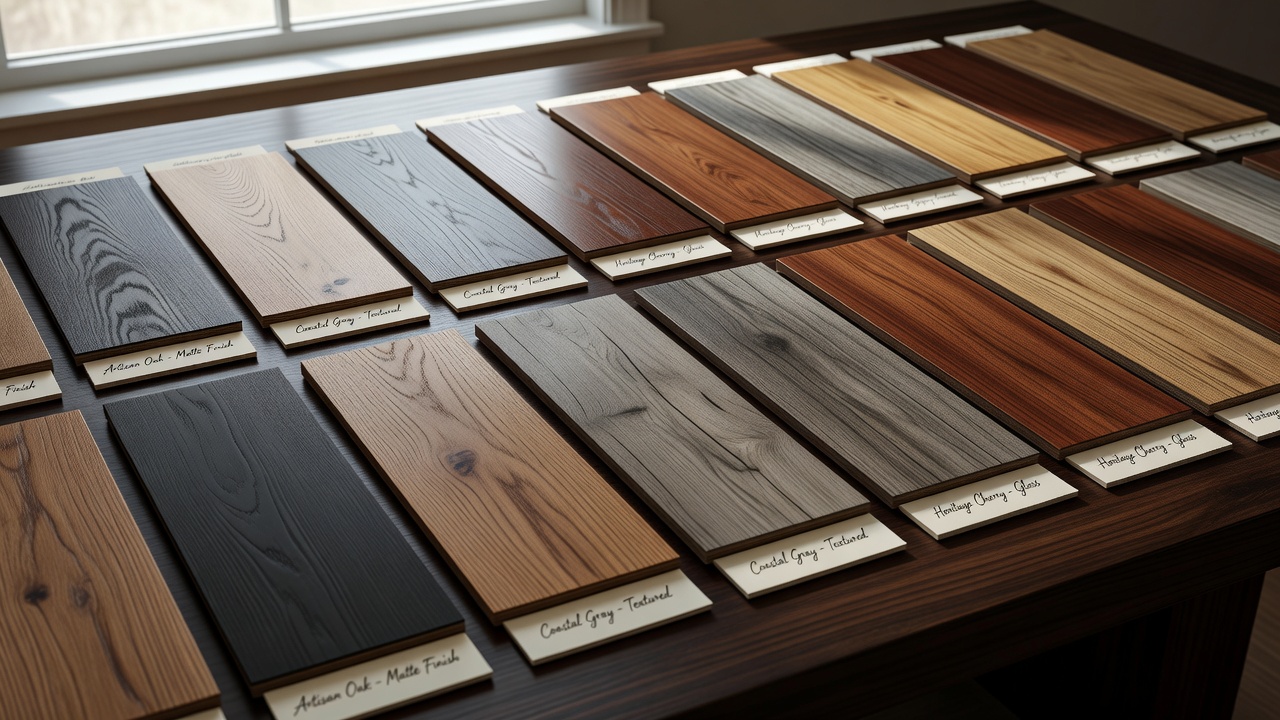
Do customer flooring reviews cover long-term durability?
Only the patient ones. Most customer flooring reviews are written in the honeymoon phase—after the install photos have been posted and before the first holiday party with red wine and stiletto traffic. Long-term durability appears in reviews dated a year or more out, often buried under updates. Search the phrase “update after” or sort by oldest; that is where you learn whether the UV coating yellowed, whether the underlayment compressed, whether the “pet friendly” claim survived an actual terrier.
Lab tests compare to real flooring reviews the way a conservatory recital compares to a Tuesday night at a crowded bistro. The lab will tell you a hardwood’s Janka rating and its finish’s taber abrasion cycles. The review will tell you that the same floor still looks aristocratic beside the radiator but has developed a shy dullness in the path from sofa to kitchen. Both data sets are required. I keep a small notebook—bound, naturally—where I translate lab percentages into lived experience. A floor that survives 1,000 hours of accelerated fade testing may still disappoint if your western windows are unforgiving. Conversely, an engineered hardwood dismissed by the purists can perform with quiet nobility for a decade if the wear layer and finish were chosen with eyes open. For deeper context on how construction affects these outcomes, see my notes on [LINK: engineered hardwood vs solid durability].
Showroom versus online flooring reviews remains the great dialectic of our age. The showroom offers theater: perfectly mitered transitions, lighting designed by someone who understands flattery, and the soft persuasion of a salesperson who has never mopped pet hair at midnight. Online reviews offer the unglamorous aftermath. Read both, then walk the actual plank in your own socks if the merchant allows. Nothing replaces the sole.
How do lab tests compare to real flooring reviews?
Lab tests are the controlled sonnet; real reviews are the free-verse diary. A proper laboratory will quantify scratch resistance, stain resistance, dent resistance, water resistance, and fade resistance across hardwood, engineered, laminate, vinyl, and tile with numbers you can take to the bank. Real reviews quantify whether those numbers survived your particular circus. When the two agree, buy with confidence. When they diverge, interrogate the gap. A vinyl that aces water tests yet collects complaints about seam peaking after radiant heat seasons is telling you something the chamber could not.
I have stood in more than one showroom watching a demonstration of a coin scratch test performed with theatrical flourish. Impressive. Then I went home to my one-bedroom and dragged the same coin across the sample I had smuggled out in my coat pocket. Results varied. One does what one must for science.
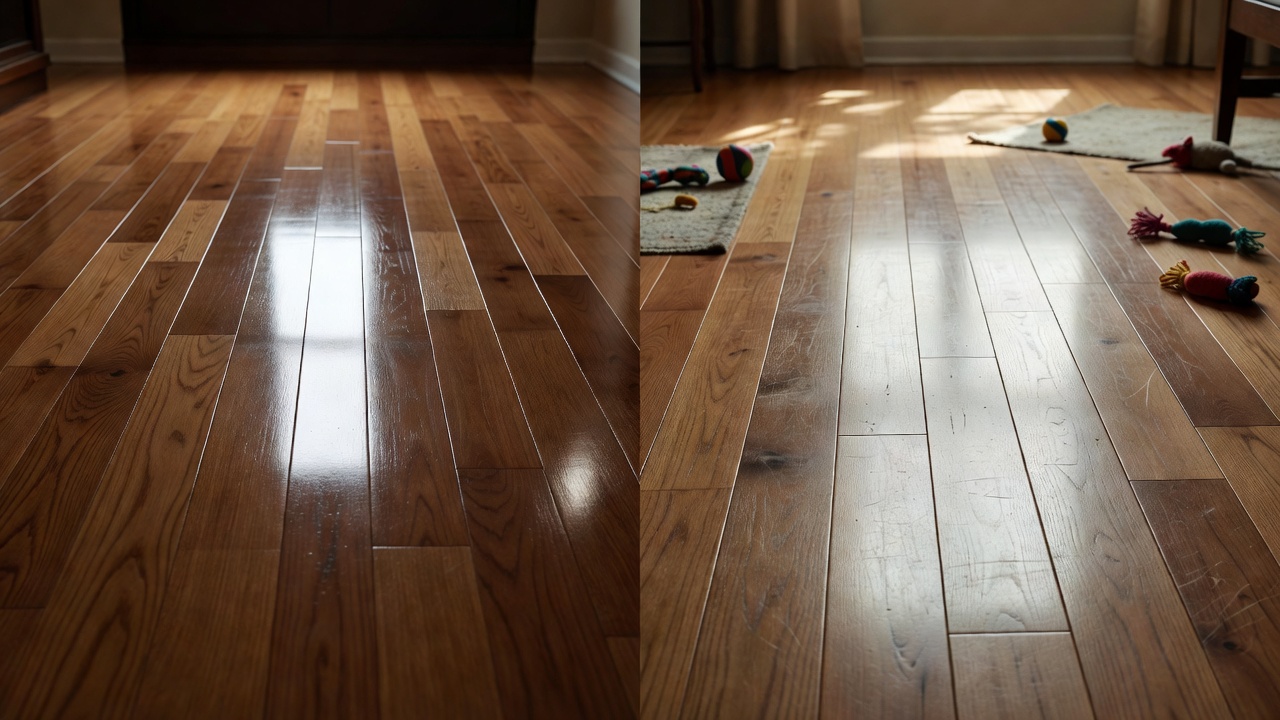
FAQ
Are online flooring reviews trustworthy?
Treat them as directional field reports rather than verdicts. Prioritize detailed reviews written months after installation over instant five-star praise; cross-check patterns across multiple retailers. The trustworthy signal lives in the specifics, not the star average.
What should I look for in flooring product reviews?
Seek concrete mentions of wear layer thickness, real-world scratch or dent behavior, acoustic performance once furnished, and how the floor handles moisture at the seams. Ignore reviews that only restate the product description or focus solely on shipping.
Do customer flooring reviews cover long-term durability?
Only those updated after a year or more reliably do. Sort by date and hunt for phrases about fading, joint integrity, or performance under pets and furniture; early reviews almost never capture true longevity.
How do lab tests compare to real flooring reviews?
Lab tests deliver controlled, repeatable scores for scratch, stain, dent, water, and fade. Real reviews reveal how those scores hold up under uneven sunlight, moving appliances, and the particular chaos of a household. Use both.
What flooring reviews miss most often?
They rarely discuss thermal feel underfoot across seasons, how bevels trap grit, or the difference between “waterproof core” and actually living with spills at the joints. Sensory and maintenance realities stay under-reported.
There you have it: the only civilized method for reading flooring product reviews. Approach every claim with the raised eyebrow it deserves, demand evidence that has survived contact with actual life, and never let a pretty render or a showroom spotlight make decisions for your soles. The floor you choose will outlast the review cycle; choose as though your reputation depends upon it.
I shall now return to my rental kitchen, where the “premium” vinyl I installed last spring has begun to telegraph the subfloor’s gentle undulations—charming, in its way, if one pretends it was intentional.