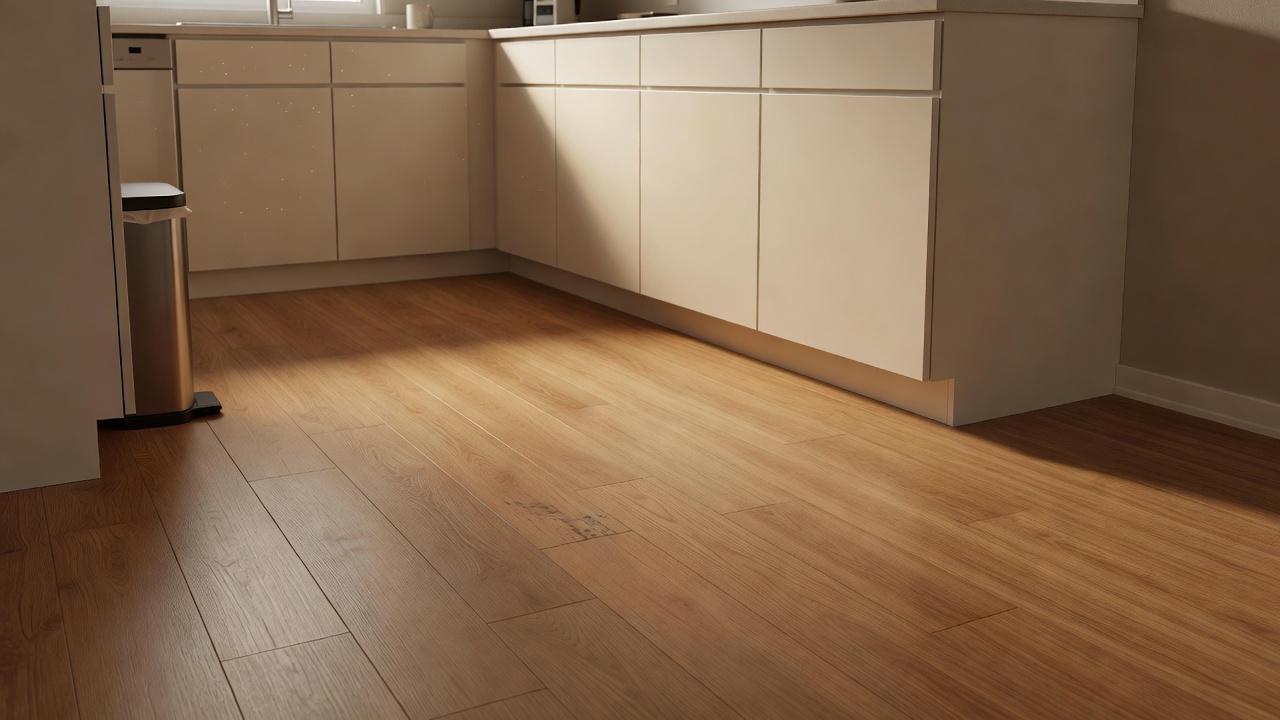
Cheapest Flooring You Can Install Yourself 2025
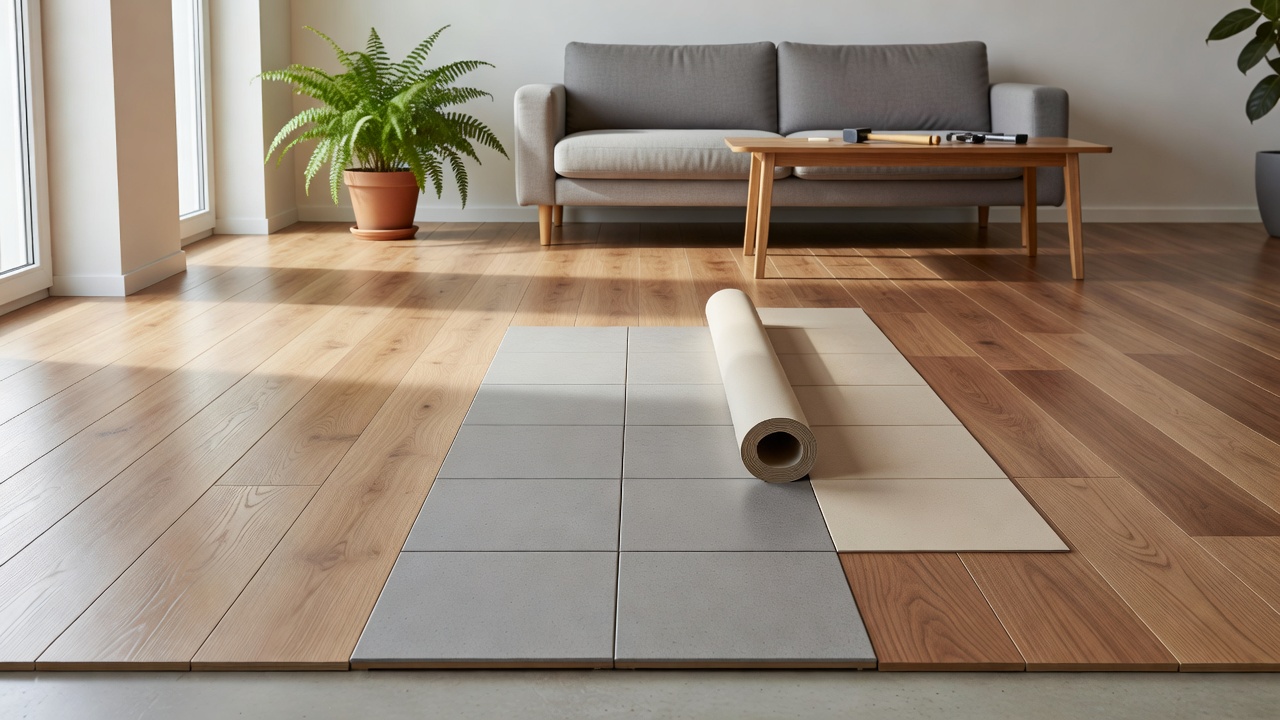 I am currently on tab seven of a color-coded spreadsheet titled FLOORING_FINAL_v4_USE_THIS_ONE while my husband (let’s call him Dave) texts “literally just pick the beige one” and I am spiraling. The cheapest flooring you can install yourself is peel-and-stick vinyl tiles or sheet vinyl, usually $1–2.50 per square foot before tax and the inevitable 10% waste factor, and yes that is the actual number that keeps me up. Cheapest flooring you can install yourself means the lowest total installed cost for a beginner with basic tools, no pro crew, and a max-out-the-Home-Depot-card budget—peel-and-stick and thin click-lock LVP win on pure dollars if you ignore the part where you cry in the parking lot.
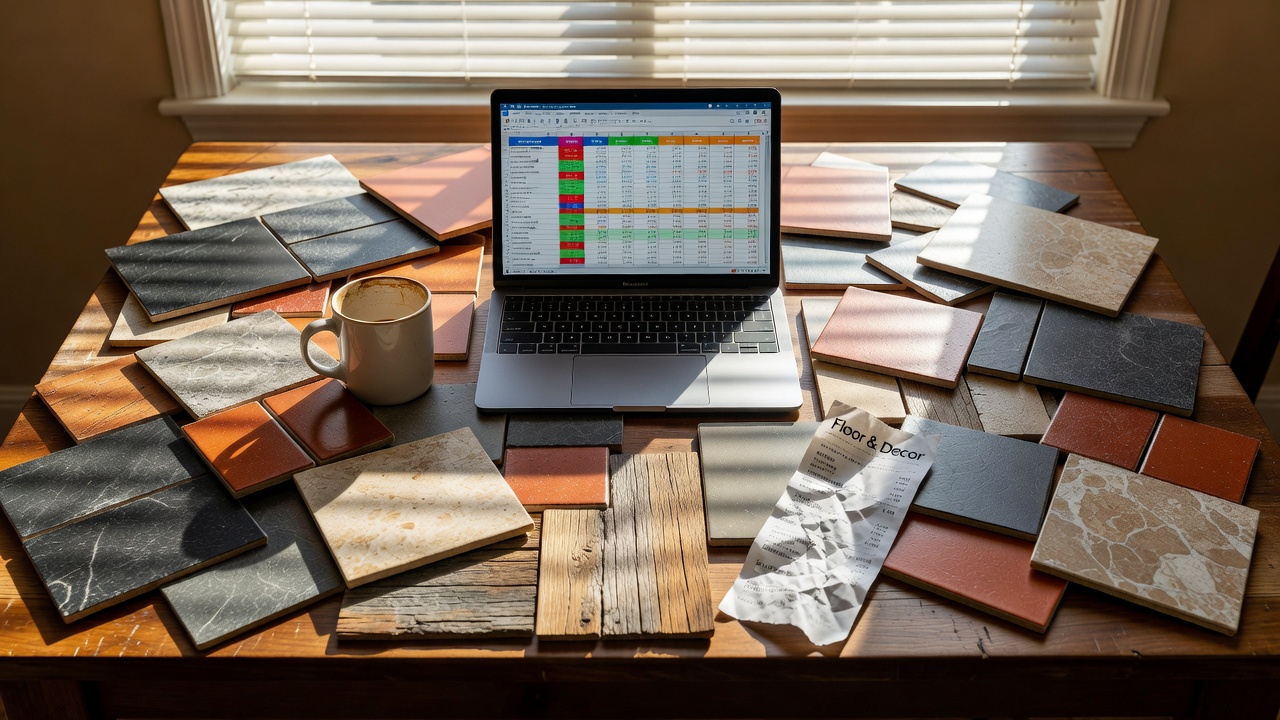
I bought the house eight months ago. The previous owners left 1990s builder-grade carpet that smelled like wet dog and resignation. I told myself we would “live with it a year.” We lasted eleven weeks. Then I opened fourteen Reddit tabs and built the spreadsheet that has now eaten three weekends and one actual argument about whether underlayment counts as a “surprise.”
What is the cheapest DIY flooring option?
Sheet vinyl still edges it out if your subfloor is flat and you can handle a utility knife without drawing blood. Real talk from my cart history: the big-box rolls run $0.89–$1.80 per square foot on sale. Peel-and-stick vinyl tiles sit right behind at $1.20–$2.75. Affordable click-lock LVP (the thin stuff, not the thick core “luxury” that some guy online acts like vinyl plank is a personal insult against his bloodline) lands at $2.10–$3.90 if you catch the right pallet. Laminate can dip under $2 but the water-fear tax on my anxiety is too high for a kitchen. Painted plywood is theoretically cheaper until you factor primer, three coats, and the look on Dave’s face when he realizes we are living in a craft project.
I measured our 220-square-foot kitchen-dining zone three times because the first two numbers disagreed by eleven square feet and I refuse to be the person who under-orders. At $1.49 average for the peel-and-stick I almost bought, material alone is $328. Add 10% waste ($33), the cheap underlayment roll I convinced myself we needed ($47), transition strips ($28), and the adhesive remover I will definitely need later because I am not perfect ($19). Grand total before tax: $455. (That’s $90 more than I told Dave, so we are not discussing that part.)
Is peel and stick vinyl flooring worth it?
Short answer I keep rewriting in the notes app: yes if you need it done this month and your definition of “worth it” includes “I can reverse this when we sell.” I installed a test patch in the laundry closet. It stuck. It cleaned up with vinegar water. It also lifted at one corner after the cat decided the seam was a personal enemy. Worth it for renters or temporary sanity? Absolutely. Worth it as a forever floor while some guy online writes essays about how real hardwood is the only moral choice? I still don’t know. The [LINK: peel and stick vinyl installation mistakes] thread that haunted me for two nights says the adhesive hates temperature swings and dust. Our house has both. I bought the extra-sticky version anyway.
Click-lock LVP is the option that keeps seducing the spreadsheet. DIY luxury vinyl plank cost for the entry-level planks I keep adding and deleting from the cart is roughly $2.40 a foot on the current sale, plus underlayment if the product doesn’t have it attached. Tools: rubber mallet ($12), tapping block (free if you cut a scrap), and the willingness to watch the same YouTube video four times. How hard is it to install vinyl plank flooring yourself? For a rectangular room with no weird angles, a motivated beginner can finish 200 square feet in a long Saturday. I am not a motivated beginner. I am a person who measures twice, cuts once, then stares at the cut for twenty minutes wondering if the 1/8-inch gap is “expansion room” or “evidence I should have hired someone.”
Is it worth it to DIY flooring?
I keep running the numbers against the $4.50–$7 per foot install quotes I got (one guy wouldn’t even come out for under 300 feet). Labor alone would have doubled the project. So yes, DIY is worth it on pure math if your time is free and your knees still work. My time is not free. My knees are already complaining. But the alternative was living with the dog-carpet another winter and I would rather spiral over click-lock direction than that smell.
Final decision criteria I wrote in the spreadsheet before everything fell apart:
- Must be under $3/sq ft installed
- Must not require a wet saw I will injure myself with
- Must look “intentional” in photos for the group chat (this bullet is doing the most work and also the least)
- Must survive one year of us until we maybe refinance or move or admit we have no idea what we’re doing
- Water resistance because I spill coffee like it’s a personality trait
Bullet three is already dead. I sent the group chat three options and got nine contradictory answers including “just do concrete stain” from someone who does not live here and “hire the guy my cousin used” from someone who knows my budget is a haunted house.
I ended up ordering the mid-grade peel-and-stick in a color that is not beige, not gray, and somehow both. Total hit to the card after tax and the mystery “delivery fee”: $512. (That’s $340 more than the fantasy number I first told Dave when I said “under three hundred easy,” so again, we are not discussing that part.) I still have the click-lock samples in the trunk “just in case.” I still open the spreadsheet at 11 p.m. to move columns around like that will change the past.
Is DIY flooring worth it when you factor in the emotional wear? Ask me in six months when I see whether the edges curl. Right now the floor is down, the carpet is in a dumpster, and I keep walking across it barefoot like I’m testing if joy is allowed on a budget. Some guy online would hate everything about this paragraph. I am weirdly proud of that.
FAQ
What is the cheapest DIY flooring option?
Peel-and-stick vinyl tiles or sheet vinyl, typically $1–2.50 per square foot for materials. Add 10% for waste and basic underlayment and most small rooms still finish under $3 installed if you do the labor yourself.
Is peel and stick vinyl flooring worth it?
Yes for temporary or low-traffic fixes and true beginner budgets; the adhesive can fail in humidity swings or heavy use, so treat it as a 3–7 year solution rather than forever.
How hard is it to install vinyl plank flooring yourself?
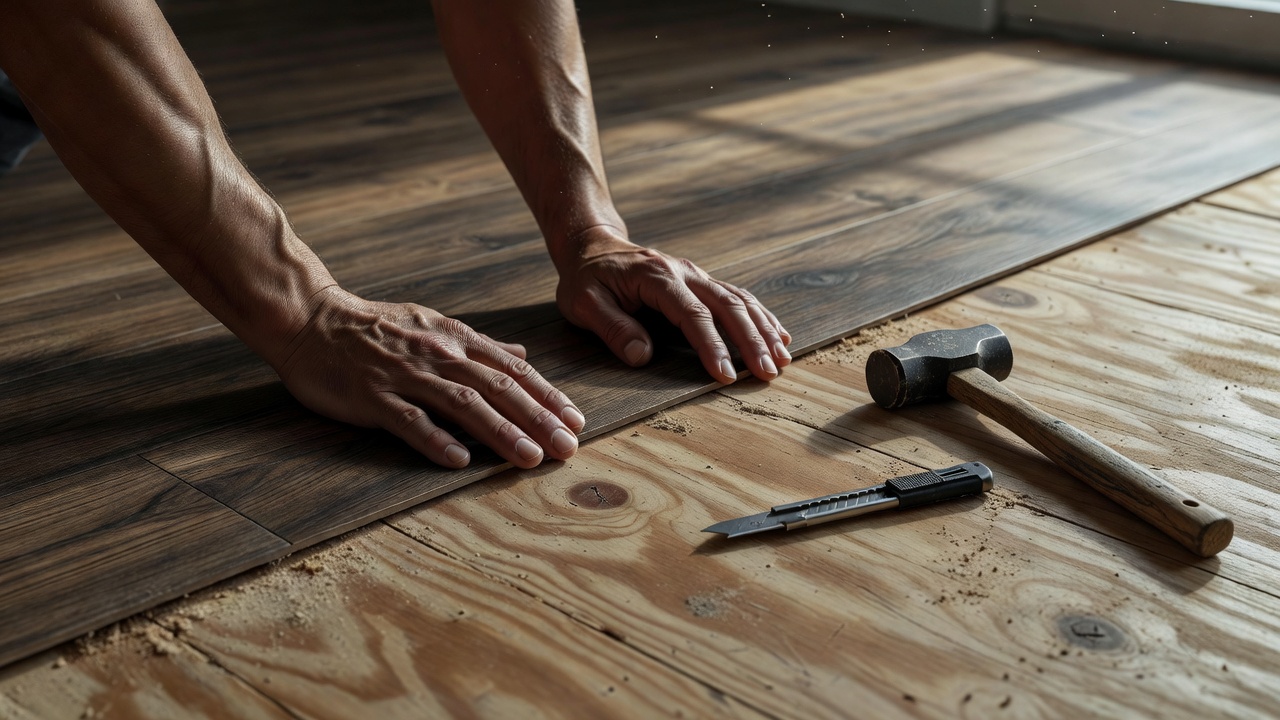
Click-lock LVP is beginner-friendly in simple rectangular rooms—most people finish 150–250 square feet in a weekend with a mallet, straight cuts, and patience for the first row.
Is it worth it to DIY flooring?
On cost alone, yes: you often cut the project total in half versus pro install. Factor in your time, knees, and tolerance for imperfect seams before you celebrate the savings.
Do I need underlayment for the cheapest options?
Sheet vinyl and many peel-and-stick products want a smooth, clean subfloor; thin foam underlayment adds $0.20–0.40 per foot and is cheap insurance against telegraphing every plywood seam.
I still catch myself googling “peel and stick failure rate 2025” at night. Dave says the floor looks fine. The cat has only peeled one corner. The spreadsheet has a new tab labeled BATHROOM_NEXT_DO_NOT_OPEN_YET. If you were standing in the Floor & Decor parking lot with a cart full of the absolute cheapest flooring you can install yourself and a partner who just wants the decision over, what would you have done? I genuinely want to know. Tell me I didn’t mess this up. Or tell me I did. Either way I’ll add it to the notes.