hardwood flooring resale value
Best Flooring for Resale Value: ROI Guide 2026
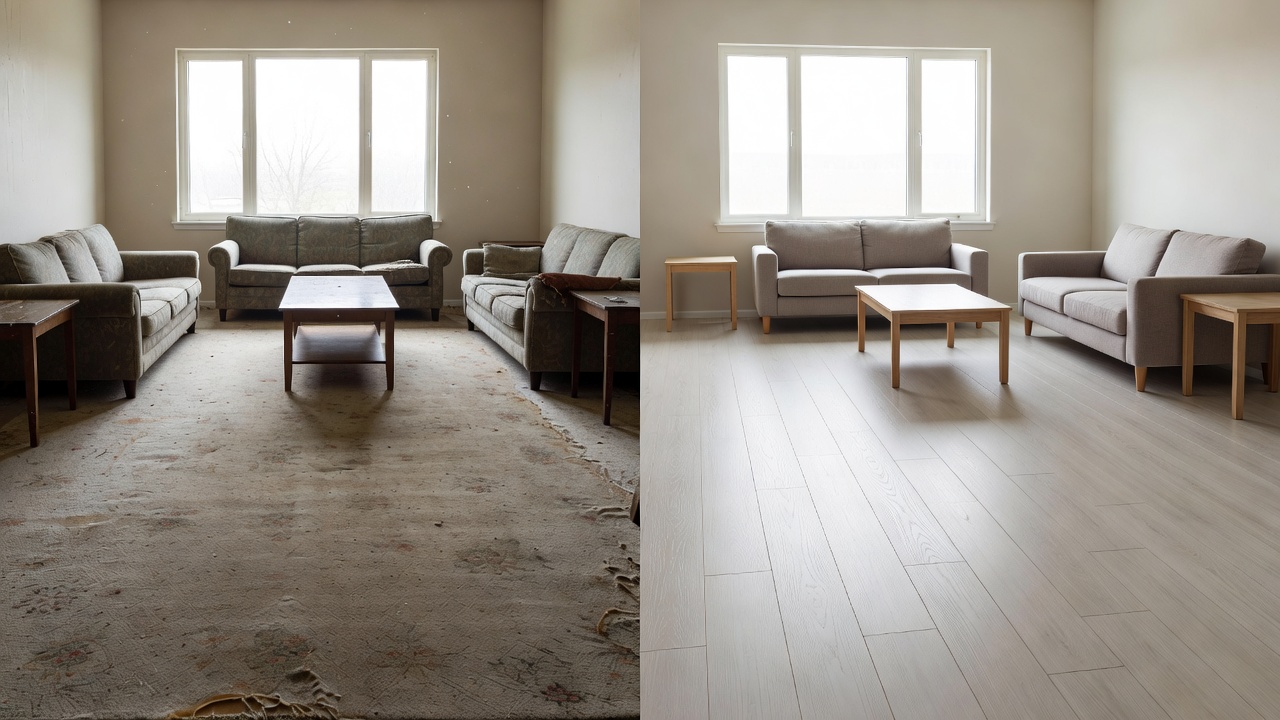
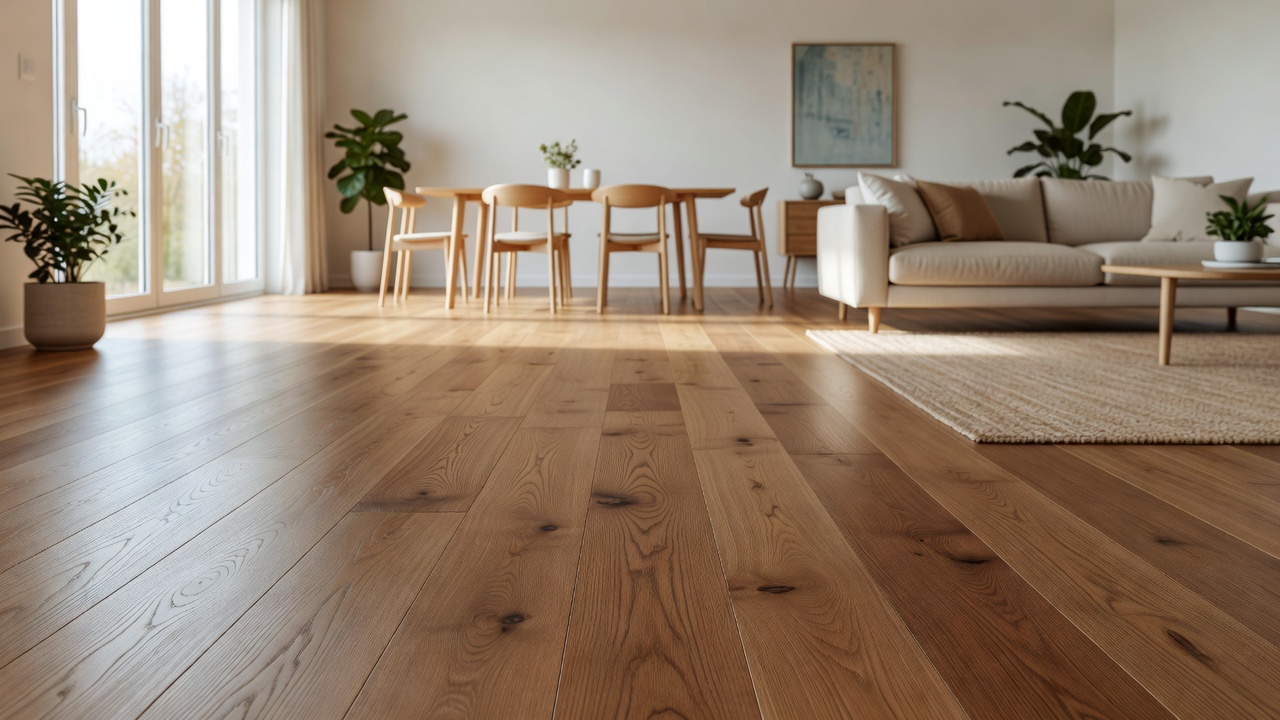 The Henderson listing sat for 47 days with original 1998 berber carpet in the main living areas. We pulled it, installed mid-grade LVP for $3,800, and it went under contract in nine days at $11,500 over the reduced ask. That is the entire game.
The best flooring for resale value is whatever material delivers the highest net dollars at closing after you subtract install cost, in the price tier and market you are actually selling in. It is not the prettiest option. It is not the trendiest. It is the one buyers will pay more for than you spent.
I define best flooring for resale value as the surface that maximizes appraised contribution and offer strength relative to installed cost—measured in real closing numbers, not design-magazine spreads.
What kind of flooring increases home value the most?
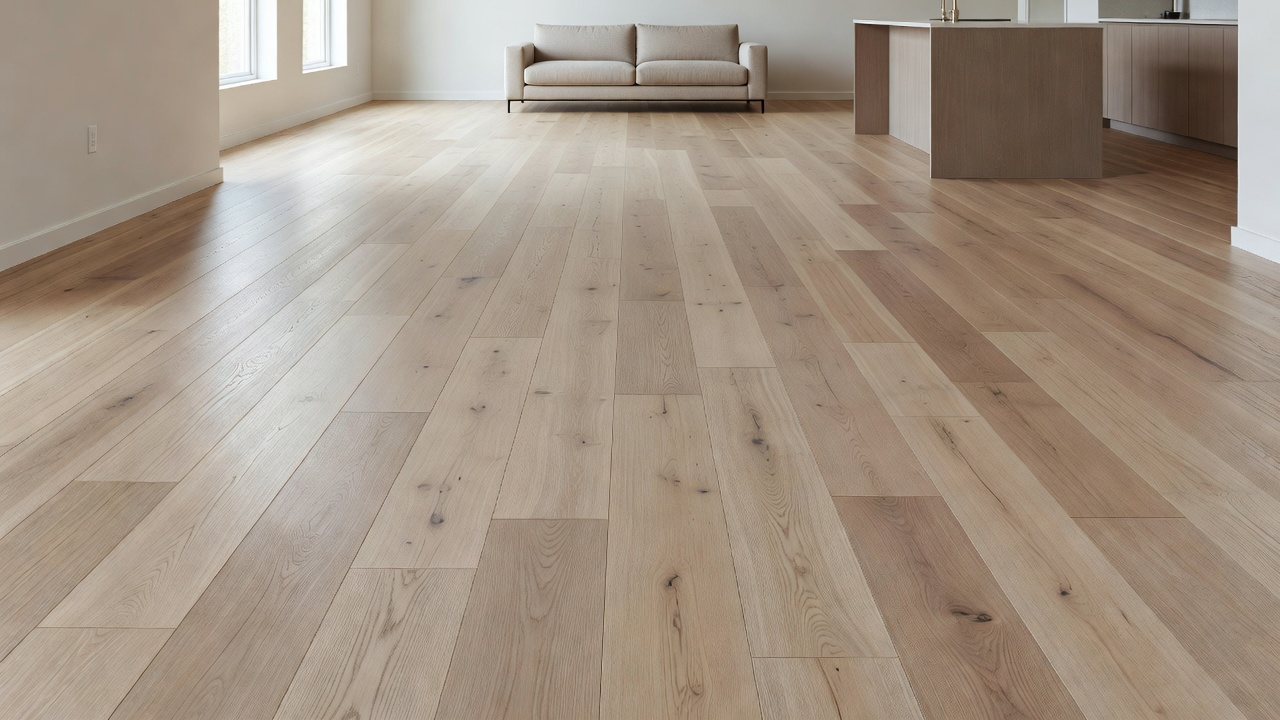
Hardwood still tops the charts when the house can support it. National data keeps putting solid or engineered hardwood ROI in the 70–80% range on a full replacement. Refinishing existing hardwood that is still structurally sound? I have seen that hit 147% ROI on paper because the labor and materials are a fraction of new install and buyers treat it like a brand-new floor.
In practice, that means a $4,200 refinish on a tired oak floor in a $475,000 house regularly adds $8,000–$12,000 to the final number if the rest of the staging is clean. I have the closing sheets.
But “most” depends on the price tier. Under $350,000, full hardwood replacement often fails the net-ROI test. Buyers at that level will pay for clean, modern, waterproof surfaces. They will not stretch an extra $12,000–$18,000 for solid white oak when the kitchen still has laminate counters. In that band, quality LVP or rigid-core vinyl is frequently the flooring that increases home value the most because the cost basis is lower and the visual upgrade is just as sharp in photos and open houses.
Tile in wet zones (baths, laundry, mudroom) is non-negotiable for value protection. Carpet belongs in bedrooms only—if at all—and only if it is new, neutral, and dense. Dated wall-to-wall in the living room is a price cut waiting to happen.
Gorgeous does not always mean it appraises. I wish it did. I have watched sellers drop $22,000 on wide-plank European oak with a custom gray wash because some designer said it “elevated the narrative.” Appraiser gave it the same adjustment as standard #1 common red oak. Net loss.
Does hardwood flooring increase home value?
Yes—when it is already there or when the home’s price point and buyer pool expect it. Hardwood flooring resale value is real. Multiple broker studies and NAR remodeling data keep showing a potential 2.5–10% bump to sale price on homes where hardwood replaces tired carpet or mismatched surfaces in the main living areas.
I sold a Craftsman in the $620,000 range last spring. Original fir floors were orange and scratched. We screened and recoated for $2,900. Two competing offers, both over ask. The winning buyer’s agent literally wrote “refinished hardwood” in the notes as a decision factor. That is flooring ROI you can take to the bank.
New hardwood install is a different math problem. Material plus labor easily runs $12–$18 per square foot installed for anything decent. On a 900-square-foot main floor you are looking at $10,800–$16,200. You need the rest of the house and the local comps to support that spend. In a hot $800k+ neighborhood with mostly hardwood inventory, it pays. In a starter-home pocket where half the competing listings already have LVP, you are over-improving.
For more on whether your existing floors are worth saving, see [LINK: refinishing hardwood floors].
Is LVP or hardwood better for resale value?
It depends on the house price and the buyer’s checklist, not on internet arguments.
Hardwood wins when:
- Comps in your zip code show hardwood as the dominant main-floor surface
- The home is priced above roughly $450,000–$500,000 (threshold moves with market)
- You already own salvageable hardwood and only need refinishing
LVP wins when:
- You need waterproof performance (kids, dogs, basements, open kitchen-living)
- The budget for flooring is under $6–8 per square foot installed
- The home sits in the middle market where buyers care more about turnkey condition than species of tree
I staged a 2012 two-story last fall. Seller wanted hardwood “for resale.” We ran the numbers. Full main-floor hardwood: $14,400. Comparable rigid-core LVP in a light oak look: $5,100. We went LVP. House sold in 11 days at $9,750 over list. Buyer’s inspection notes mentioned “beautiful new flooring” with zero distinction that it was not wood. That is LVP vs hardwood resale in the real world.
Buyers open the door and make a gut call in under ten seconds. Continuous, clean, mid-tone flooring that photographs well beats a patchwork of “better” materials every time. Mismatched floors—carpet to builder-grade vinyl to random tile—read as deferred maintenance even if each piece is technically fine.
If you are weighing materials for a specific room layout, [LINK: LVP vs hardwood resale] breaks down the photo and traffic differences I see at open houses.
How much value does new flooring add to a home?
Enough to matter, rarely enough to justify the most expensive option.
Realistic ranges I track across closings:
- Refinishing existing hardwood in good condition: 100–147% ROI. Cost $2–$5 per square foot. Perceived value often equals or exceeds a full replacement in buyer eyes.
- Mid-grade LVP replacing carpet or damaged vinyl: 60–90% ROI. Typical job $3,500–$7,500 for main living areas. Adds $4,000–$9,000 in offer strength on homes under $500k.
- New engineered hardwood in the right price tier: 70–80% ROI. Higher absolute dollars but higher risk of over-improving.
- Ceramic or porcelain tile in bathrooms and laundry: protective, not flashy. Prevents value loss more than it creates upside. Budget $8–$15 per square foot installed and do not cheap out on grout color.
- New carpet in bedrooms only: modest. Think 40–60% ROI if the old stuff was stained or smelled. Never in main living if you can avoid it.
Net ROI is what hits your pocket after the contractor is paid. A $15,000 floor that adds $12,000 to the sale price is a $3,000 loss dressed up as an upgrade. I have had that conversation more times than I can count.
Staging existing floors beats full replacement more often than sellers expect. Deep clean, repair obvious damage, paint the baseboards, remove every rug that chops up the sight lines, and get professional photos with the floors fully visible. I have added more perceived value with a $400 clean-and-stage than with a rushed cheap laminate install.
FAQ
What kind of flooring increases home value the most?
Hardwood (new or refinished) in higher price tiers; quality LVP in mid and entry markets. The winner is the material that matches buyer expectations in your specific comps while keeping install cost low enough to net positive at closing.
Does hardwood flooring increase home value?
Yes. Expect a 2.5–10% contribution to sale price when it replaces dated carpet or fragmented surfaces, with refinishing often delivering the strongest net return.
Is LVP or hardwood better for resale value?
Hardwood for premium neighborhoods and existing salvageable floors. LVP for cost control, waterproofing, and most homes under $500k. Buyers pay for continuous clean surfaces more than they pay for species labels.
How much value does new flooring add to a home?
Typical net adds run $4,000–$15,000 depending on scope and market, with ROI ranging 60–147%. Over-improving is the fastest way to erase the gain.
Should I replace flooring before selling or offer a credit?
Replace if the current floors are actively killing showings or photos. Credit if the floors are merely dated but functional and your timeline is tight. Credits get negotiated down; visible new floors get offers up.
Sell the house you have, not the house a magazine wants you to have. Run the actual installed cost against recent sold comps in your price band, then decide. If you are listing in the next two years, spend only where the math clears. If you are just living your life, buy the floor you will not hate walking on every morning—because the answer changes everything I just said.