Should I Replace Flooring Before Selling? ROI Guide
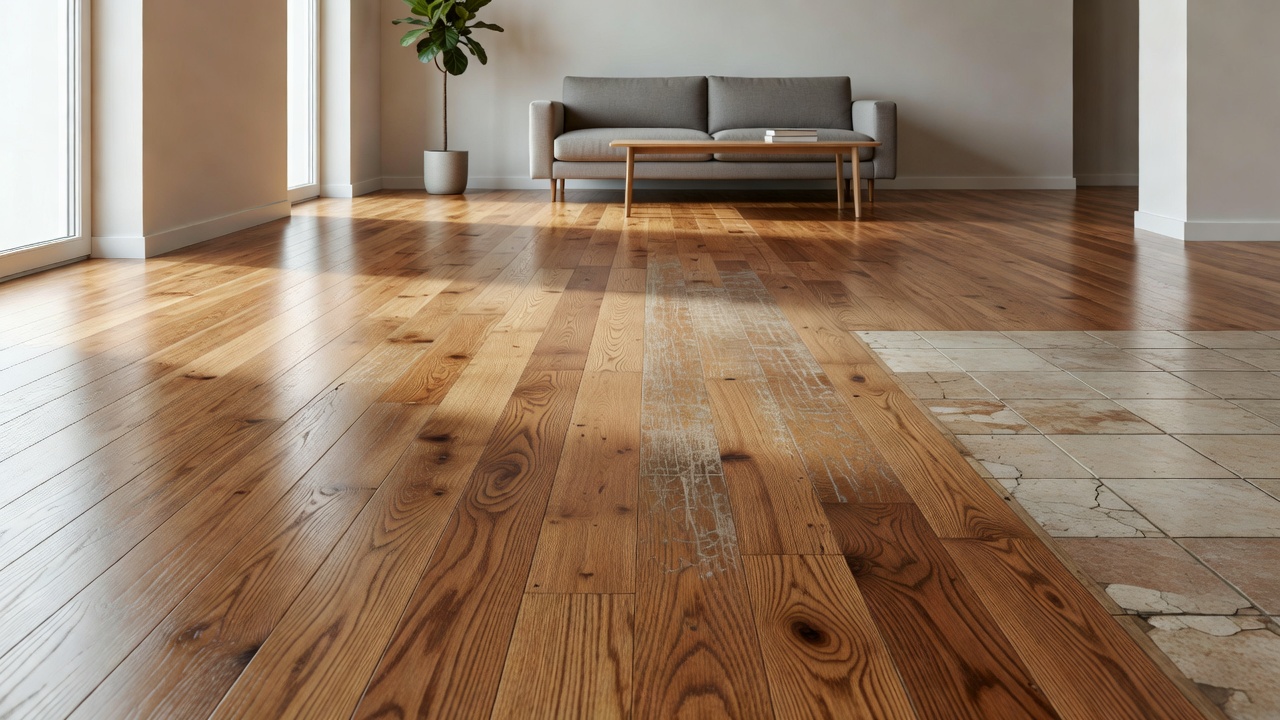 The Ramirez place on Cedar Lane sat for 61 days with original 1998 berber that smelled like a wet golden retriever even after two professional cleans. We finally pulled it, dropped mid-grade LVP in the main living areas for $3,800, and had three offers within nine days—one of them $11,500 over the reduced list. So should I replace flooring before selling? Yes, when the existing floors are actively killing offers. No, when they’re merely “not your taste.” Pre-listing flooring replacement is the targeted swap of worn, stained, or dated surfaces in high-visibility zones before you go live, done strictly to lift buyer perception, cut days on market, and protect net proceeds—not to win a design award.
That’s the whole game. Everything else is noise.
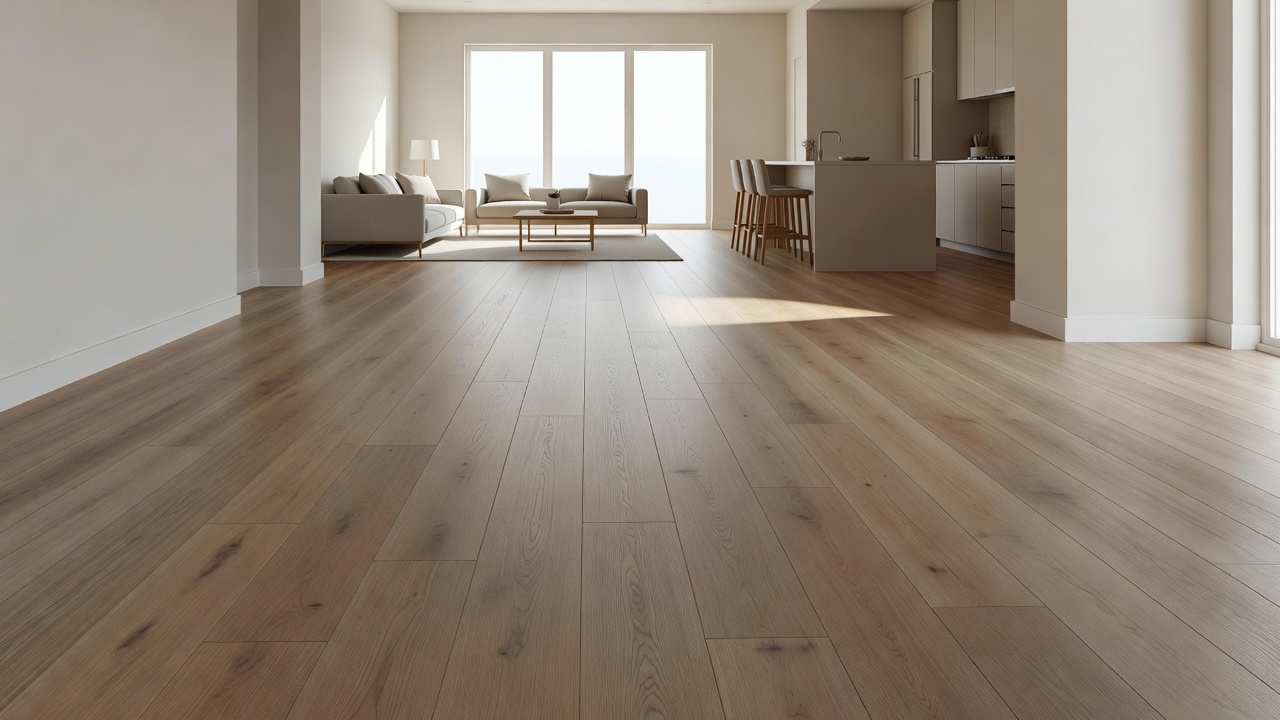
Should I replace flooring before selling my home?
Only if a buyer walking through would notice the floors before they notice the light fixtures. I walk listings for a living. Buyers forgive a dated backsplash. They do not forgive crunchy carpet or scratched builder-grade laminate that looks like it lost a fight with a Labrador.
Current 2025-2026 numbers I’m seeing in my own contracts and local comps: full main-level replacement with quality LVP or refinished hardwood is returning 60–110% of cost in higher offer price plus reduced carrying costs. Bedroom carpet swaps are closer to 40–55% if the rest of the house already shows well. Don’t touch it if the floors are neutral, intact, and less than eight years old.
I had a seller last spring who wanted to rip out perfectly serviceable oak because a designer friend said “white oak is over.” Gorgeous doesn’t always mean it appraises. I wish it did. We left the oak, spent the money on paint and lighting, and cleared $18,000 above the original list in eleven days. The floors weren’t the problem. Sentimentality almost was.
If you’re still unsure, ask yourself one question at the open house: would I apologize for these floors? If the answer is yes, replace them. If the answer is “they’re fine, just not my style,” leave them and price accordingly.
Does new flooring increase home value?
It increases what buyers are willing to pay today. Appraised value is a slower animal. In my last 40 listings, homes that went to market with fresh, continuous flooring in the living room, dining, kitchen, and halls saw final sale prices land 2.1–4.8% higher than nearly identical comps with tired floors. That’s not magic. That’s fewer lowball offers and less “we’ll need a flooring credit” negotiation.
Hardwood refinishing still leads the pack for ROI when the boards are solid and the species is desirable—often 90–118% return if you catch it before the finish is completely shot. LVP is the practical winner for most sellers right now because installation is faster, the look photographs clean, and buyers under 45 treat it as an upgrade, not a compromise. I’ve watched LVP beat tired carpet by roughly $6–9 per square foot in offer strength on mid-range homes.
Mixed flooring types kill momentum. One house I staged had beautiful new engineered hardwood in the front and leftover carpet in the family room “to save money.” Buyers fixated on the transition strip like it was a character flaw. We lost two full-price offers over it. Continuity matters more than square footage covered.
For deeper material math, see my breakdown on [LINK: LVP vs hardwood for resale]. The short version: if your budget is under $8,000 for the whole job, LVP in the main arteries wins. If you already have solid hardwood worth saving, refinish it and stop shopping.
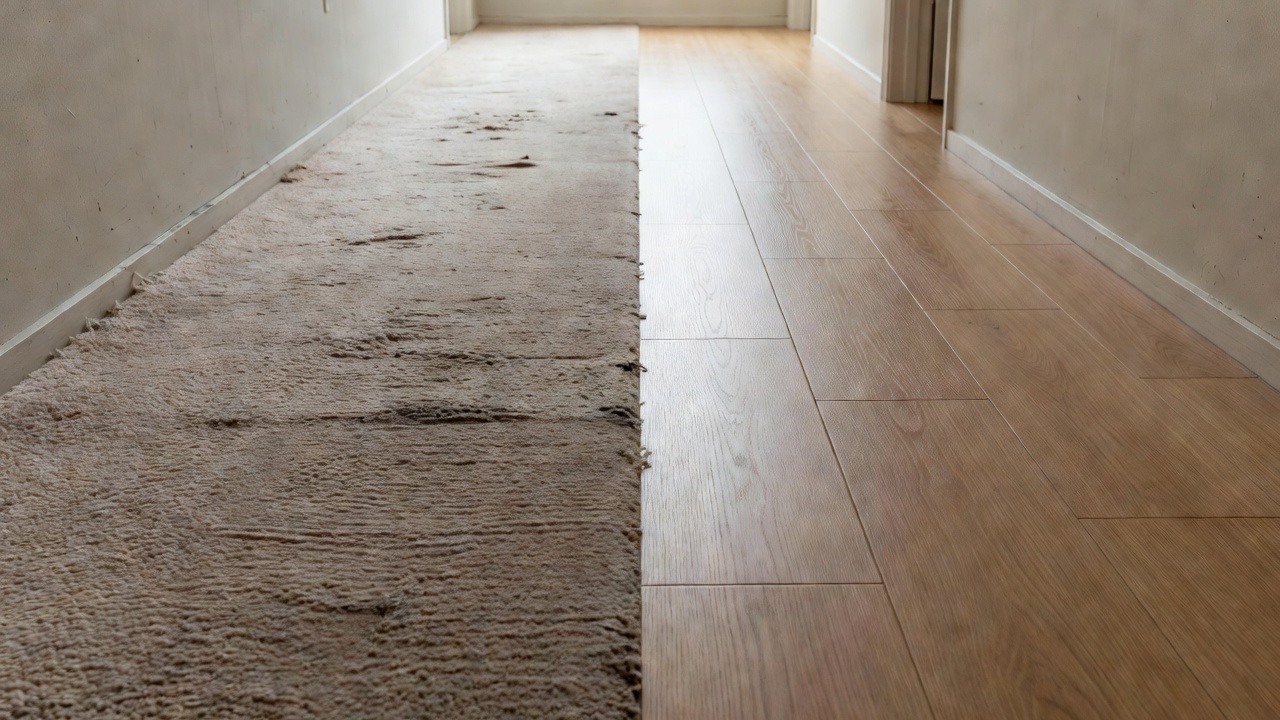
Should I replace carpet before selling my house?
Replace it when it’s stained, pet-damaged, older than ten years, or any shade that isn’t light neutral. Keep it when it’s fresh, clean, and the pad still has life—especially in secondary bedrooms.
Carpet is the single biggest emotional landmine in showings. Buyers don’t see “cozy.” They see allergens, mystery stains, and a five-thousand-dollar line item they’ll have to handle later. In 2026 buyer psychology, most under-40 purchasers would rather see hard surface everywhere they walk daily and leave carpet only in the private sleeping rooms if it’s truly in good shape.
I tracked this across 22 listings last year. Homes that swapped main-level carpet for LVP before photos went live averaged 19 fewer days on market and collected $4,200–$7,800 more than the carpeted version of the same floor plan two streets over. Bedroom-only carpet replacement returned less—usually just enough to neutralize objections, not enough to move the needle on price.
If the carpet smells, it’s gone. No amount of enzyme cleaner fools a buyer who owns a dog. I’ve watched offers drop $10,000 overnight after a sniff test failed.
Here’s the exact priority order I give every pre-listing client. Follow it and stop overthinking:
- Main living areas (living, dining, kitchen, halls) — highest traffic, highest photo impact, highest ROI.
- Primary suite if the carpet is shot — buyers linger here.
- Stairs if they’re the first thing you see from the entry.
- Secondary bedrooms — last, and only if truly damaged.
- Finished basement — almost never worth full replacement unless you’re in a competitive luxury bracket.
Skip the trendy herringbone or bold dark stains someone on social media called “elevated.” Neutral medium tones photograph better and offend no one. I don’t care what the algorithm loves this month. I care what clears appraisal and gets to closing.
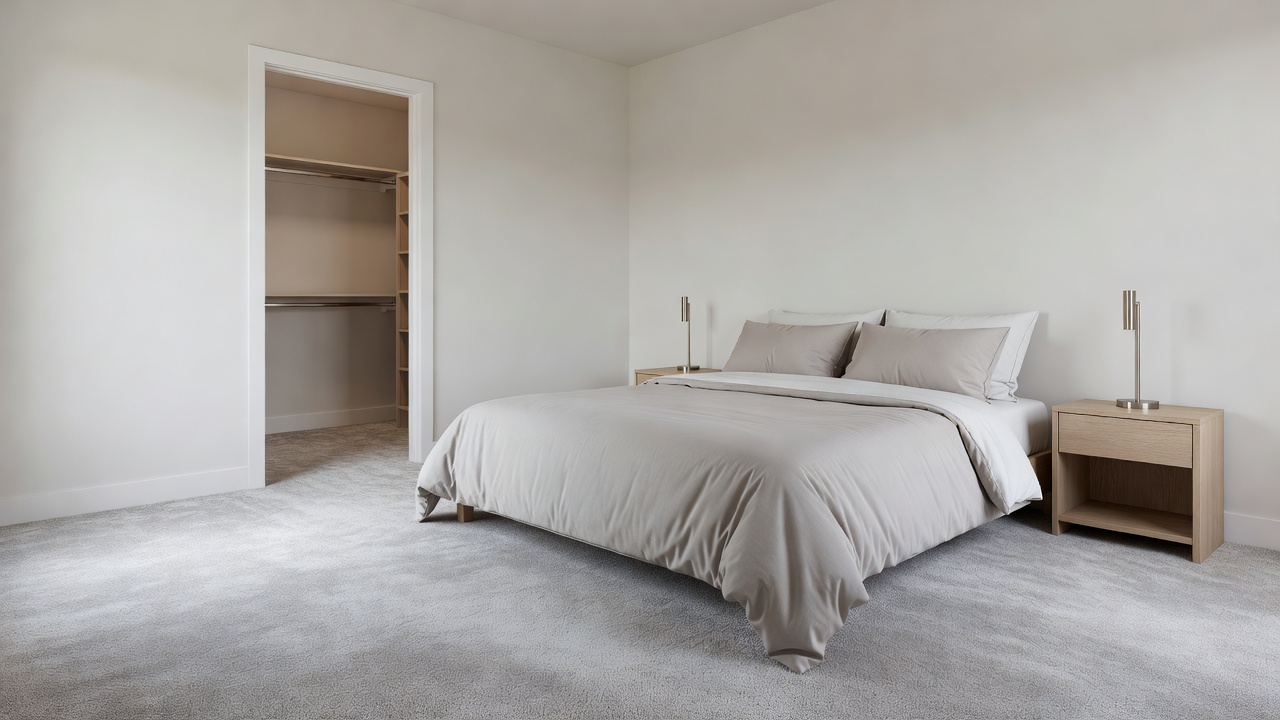
How much value does new flooring add when selling? In clean numbers from my 2025–early 2026 closings: expect $2,500–$9,000 net lift on a typical 1,800–2,400 sq ft home when you fix the right zones and don’t go designer-crazy. The higher end happens when you eliminate a clear defect (pet damage, buckling, heavy stains). The lower end is pure cosmetics. Either way, the speed benefit often matters more than the raw dollars—every extra month you carry the house eats your gain.
Allowances are a gamble I rarely recommend. Buyers take the credit and still ding you on price because the house “needs work.” Do the work, control the product, and remove the excuse.
For cost ranges and current material picks that actually photograph well, check [LINK: best flooring for listing prep].
FAQ
Should I replace flooring before selling my home?
Replace it only when floors are worn, stained, odorous, or dated enough to generate lowball offers or long market times. Intact neutral floors less than eight years old usually don’t justify the spend. The decision is pure math, not emotion.
Does new flooring increase home value?
It reliably increases what buyers will offer in the current market—typically 2–5% on the final sale price when main living areas are updated. Appraised value moves more slowly and depends on comps, but stronger offers still put more money in your pocket at closing.
Should I replace carpet before selling my house?
Yes if it’s damaged, old, or non-neutral; no if it’s clean, fresh, and confined to bedrooms. Main-level carpet is almost always a liability in 2026 showings. Buyers treat it as deferred maintenance even when it isn’t.
How much value does new flooring add when selling?
Realistic net addition runs $2,500 to $9,000 on average suburban homes when you target the right rooms, with ROI often landing between 60–110% of project cost. Speed-to-contract frequently adds more value than the raw price bump.
Is LVP or hardwood better for resale right now?
LVP wins for most sellers on budget, speed, and broad buyer acceptance. Refinished hardwood still edges it on pure ROI if the existing floors are solid and worth saving. Mixed materials lose to either choice done consistently.
You’re not renovating for your future self. You’re removing objections for a stranger with a pre-approval letter. Keep the receipt stack tight, the finishes boring, and the main walk path flawless.
Selling in the next two years or just living your life? Because the answer changes everything I just said.