Matte vs Satin Hardwood Floors: 2026 Aesthetic Guide
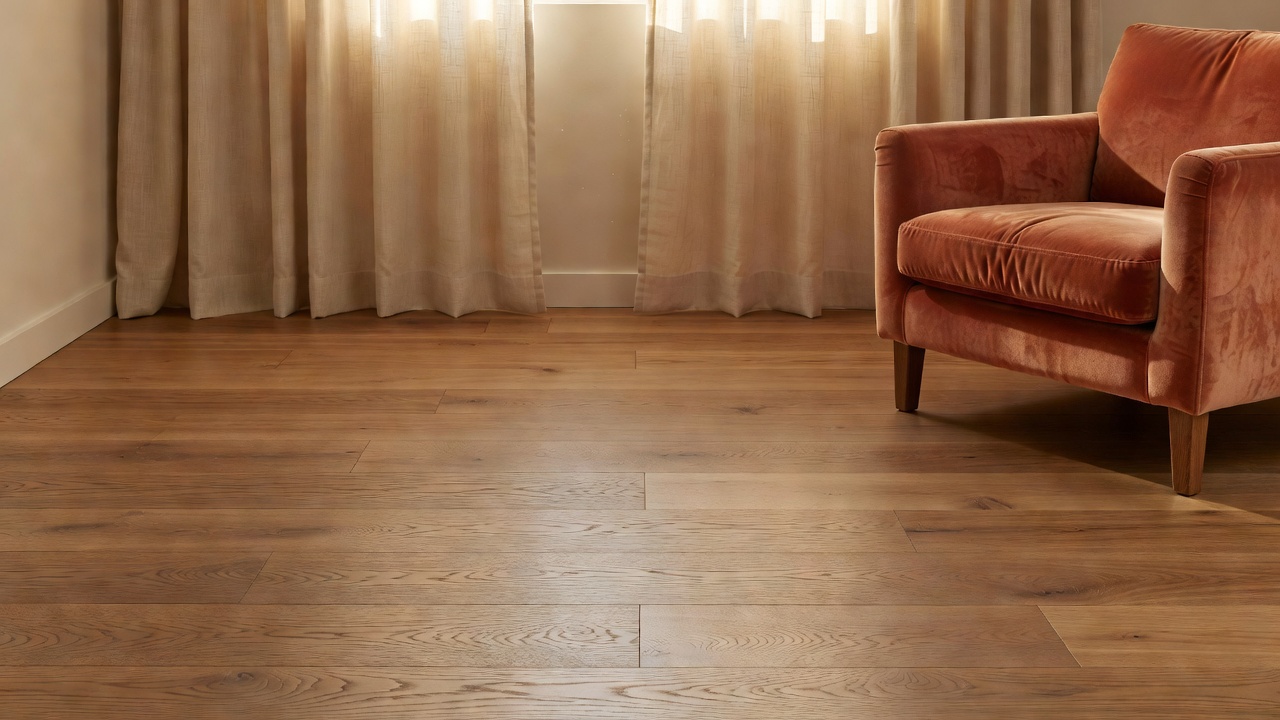
 Late afternoon light is pouring through linen sheers onto a caramel-stained white oak, and the whole room is holding its breath. You can almost taste the honey in the grain. No cold chrome, no silver-gray residue from three years ago—just warm midtones pooling like melted butterscotch against a chalky plaster wall and a single velvet chair the color of dried terracotta. The floor is doing the quiet work of making every object feel placed, not parked. That is the entire conversation around matte vs satin hardwood floors right now: sheen is not a technical afterthought. It is the difference between a room that whispers 2026 and one that still apologizes for last decade’s gloss.
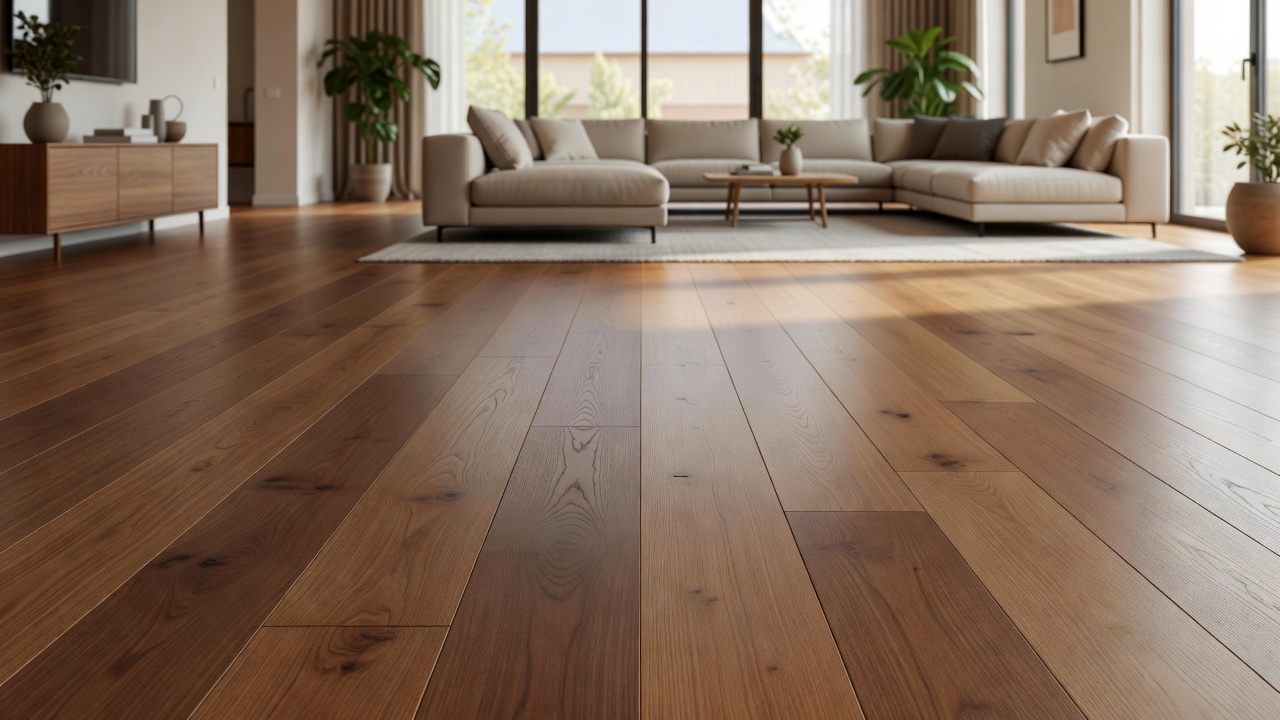
Matte vs satin hardwood floors simply means the measurable light reflectance of the protective topcoat—matte sits near zero shine for a raw, chalk-soft surface while satin delivers a low-to-medium glow that catches light without mirror drama. In the warm-wood era of honey, chestnut, and soft blonde oaks, matte usually wins for hiding daily life and deepening undertones; satin steps in when you need just enough luminosity to lift a darker caramel without tipping into glare. That is the verdict before the poetry. Everything else is how you stage the mood.
Matte or satin finish for hardwood floors—which is better?
Better is a mood word, darling. For 2026’s [LINK: flooring color trends 2026] shift into warm natural midtones, matte is the finish that lets honey oak read as honey instead of sticky plastic. It swallows footprints and dust the way a good cashmere sweater swallows lint—you simply stop noticing. Satin, on the other hand, is the slightly more dressed version: still quiet, still adult, but it throws a soft candle-glow across the grain so a chestnut floor feels almost liquid at dusk. I staged a chestnut-and-satin primary suite last spring that sold in nine days because the light felt like it was being poured rather than switched on. The install crew (yes, the ones who think I’m precious) will tell you satin is “more practical” because it shows less of the micro-scratches that matte can sometimes telegraph under raking light. Fine. They are half right. But if your goal is the lived-in gallery feeling every mood board is currently chasing, matte is the truer aesthetic partner for warm undertones.
I still remember the client who cried—happy tears—when we switched her sample from satin to matte on a soft blonde oak. The room stopped performing and started breathing. That is not hyperbole. That is what sheen does when it stops fighting the wood.
Does matte finish hide scratches better than gloss or satin?
Yes—decisively better than gloss, and usually better than satin for the kinds of scuffs real life leaves. High-gloss is a crime scene investigator; every heel mark becomes evidence. Satin sits in the middle: it diffuses light enough to blur minor wear but will still catch a long scratch if the angle is unkind. Matte, especially the newer ultra-matte urethanes and hardwax oils, scatters light so thoroughly that hairline scratches and pet nail trails simply dissolve into the grain. In open-concept spaces flooded with the warm tones everyone wants this year, that forgiveness is not a luxury. It is the difference between a floor that still looks intentional after a dinner party and one that looks tired by Tuesday.
The trade-off? Matte can show a faint white cast if you over-clean with the wrong product, and deep gouges are equally visible on any sheen because they remove actual wood. But for the everyday choreography of chairs, kids, and weekend wine, matte is the stealth finish. Satin remains my pick when the floor is a darker caramel or espresso-leaning chestnut and I need that low glow to keep the room from feeling cave-like. Pair either with the right undertone and you stop fighting the light.
Here is the mood board in words I keep pinned above my sample library right now:
- chalk-dusted honey oak under matte, linen, unglazed ceramic, dried citrus
- liquid caramel under satin, smoked glass, burnt sienna velvet, single stem amaryllis
- soft blonde rift-sawn with matte, raw plaster, oatmeal bouclé, morning fog light
- chestnut satin catching last light, oxblood leather, brass that has decided to tarnish beautifully
- pale taupe-washed oak matte, chalky limewash, one imperfect ceramic vessel
These are not trends. These are temperatures. Choose the sheen that matches the temperature you want the room to hold at 4 p.m.
What is the best finish for hardwood floors in 2026?
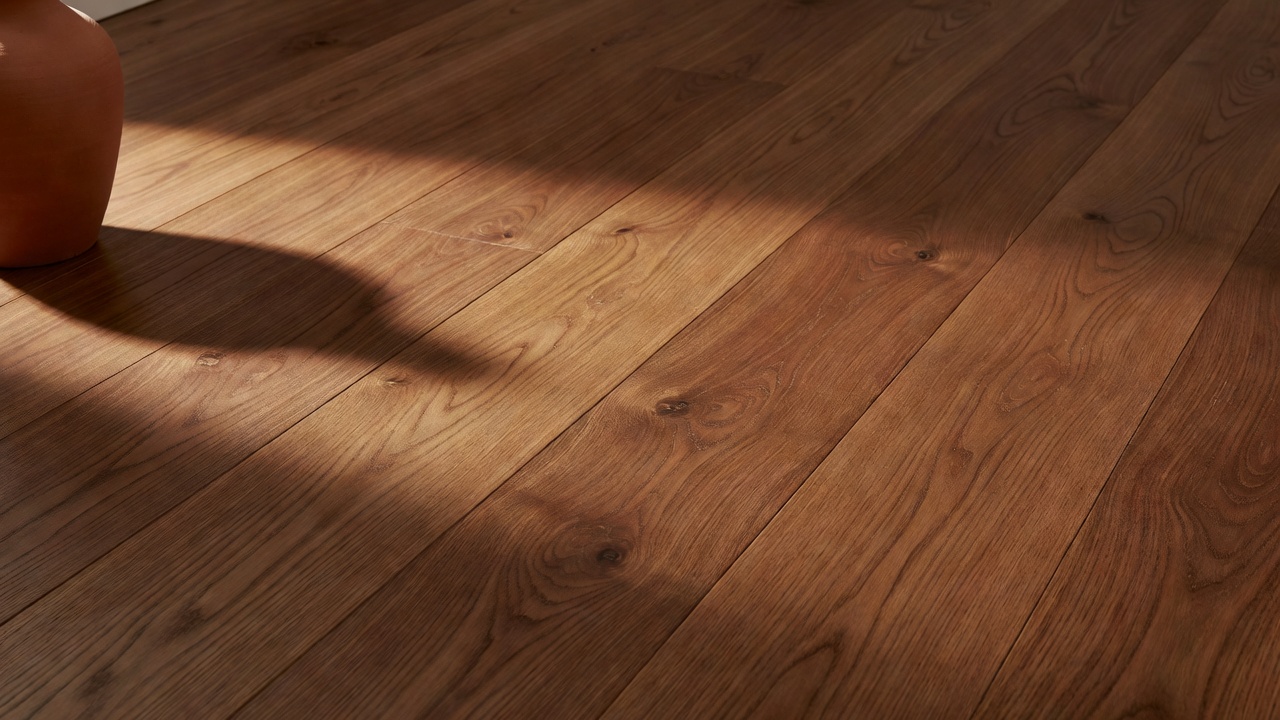
The best finish is the one that disappears into the story the warm wood is already telling. Right now that story is natural, mid-tone, and unapologetically soft. Factory-applied matte aluminum-oxide urethanes and certain UV-cured matte systems are leading because they deliver the dead-flat look without the maintenance drama of traditional oils—though a well-executed hardwax oil matte still feels like the most honest surface under bare feet. Satin versions of the same durable topcoats exist and remain excellent when you need durability plus a quiet luster. Skip anything marketed as “semi-gloss” or higher unless you are restoring a historic ballroom; the glare fights every warm undertone we are currently obsessed with.
I will concede one point to the install people (and to Duke, who will never let me forget it): if the home gets brutal southern light and heavy traffic, a quality satin can be more forgiving long-term because it doesn’t show every swirl from a microfiber mop the way some matte formulas do. But for the majority of the residences I stage—the ones chasing that collected, sun-washed, I live here on purpose feeling—matte is the 2026 default. Pair it with [LINK: warm wood flooring tones] in the honey-to-chestnut range and the room suddenly has a pulse.
One quiet truth I don’t put on the Pinterest boards: I once chose a high-gloss finish for a client because she insisted it felt “cleaner.” Walking into that finished space felt like stepping onto a frozen lake. I have never made that mistake again. Sheen is emotional. Treat it that way.
What color flooring makes a room look bigger?
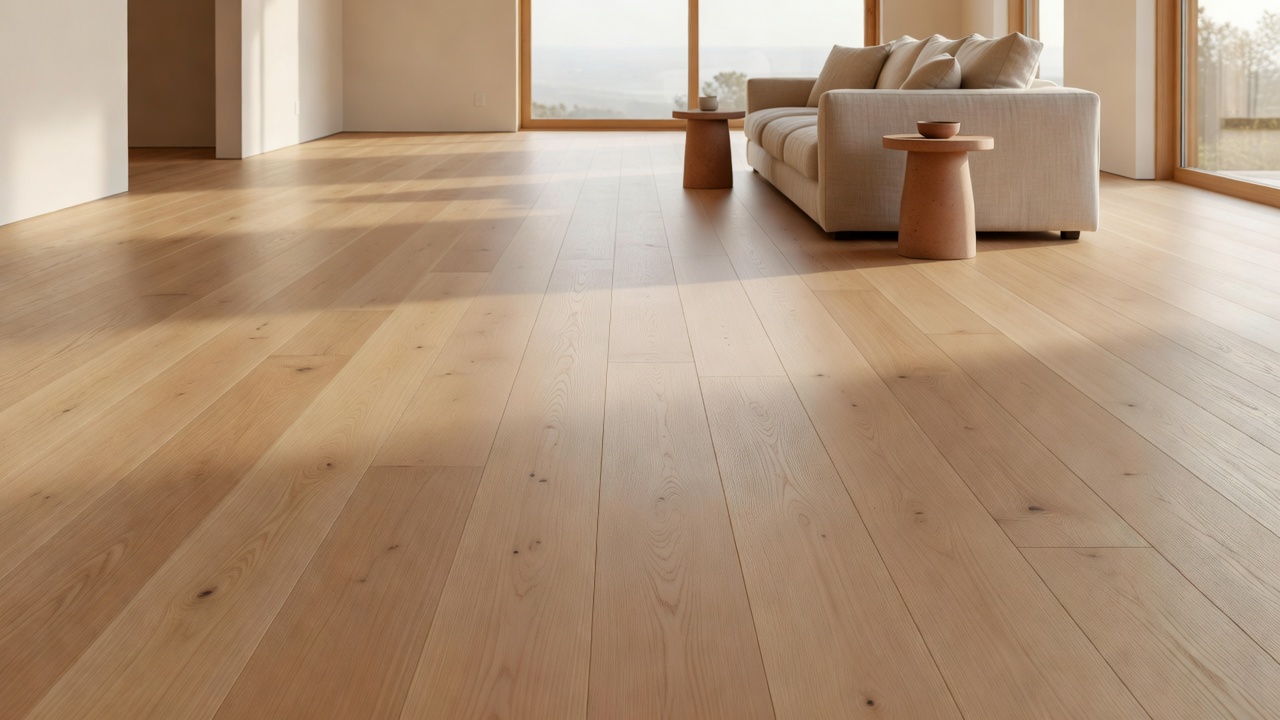
Light-to-medium warm woods—soft blonde oaks, pale honey, even a washed caramel—expand a room far more reliably than cool grays ever did, especially when finished in matte. Matte eliminates the reflective hotspots that chop up visual space; the eye travels in one continuous, soft plane. Satin can also enlarge if the tone stays light, but the subtle glow risks creating little islands of brightness that actually contract the perceived floor. Keep the planks wide, the undertones warm rather than pink or gray, and the sheen low. The room will inhale.
FAQ
What is the best finish for hardwood floors?
For most 2026 homes seeking warm natural tones, a durable matte urethane or hardwax oil is best because it enhances grain, reduces glare, and hides everyday wear. Satin is a close second when subtle luminosity is needed on darker caramels or chestnuts.
Does matte finish hide scratches better than gloss or satin?
Yes. Matte scatters light so minor scratches and scuffs blend into the wood grain far more effectively than satin or especially gloss, which highlight every mark.
Matte or satin finish for hardwood floors—which is better?
Matte is better for a natural, low-maintenance aesthetic with warm midtones; satin is better when you want a soft glow that lifts darker woods without high shine. Choose based on the exact undertone and light in the room.
How do I keep matte hardwood floors looking intentional?
Use manufacturer-approved cleaners only, avoid steam, and place felt pads under everything. A good matte finish actually looks richer with gentle, consistent care rather than aggressive polishing.
Will satin floors make my warm wood look orange?
Not if the stain undertone is correctly chosen. Satin can amplify existing warmth, so sample in the actual room light; a well-balanced caramel or honey stays sophisticated rather than brassy.
The light is leaving that caramel oak room now. The matte surface has gone velvet-dark, holding the last of the gold like a secret. Satin would have thrown one final soft flare across the boards and then surrendered. Both are beautiful. Only one will still feel like your room when the trends have moved on again. So tell me—when you close your eyes and picture the floor that finally makes the space feel like you, is the light sinking in or sliding across?