questions to ask flooring contractor
Flooring Contractor Red Flags: 30-Year Pro Tips
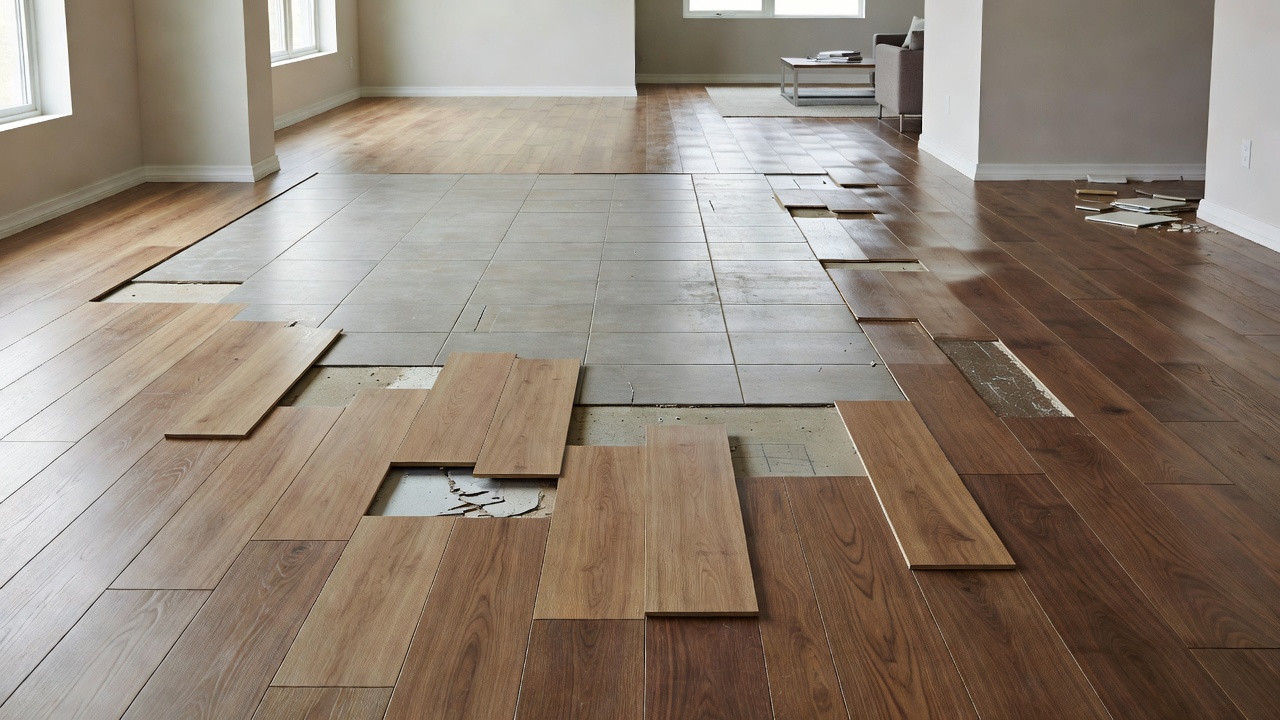 I was already on my bad knee in a split-level outside Tulsa when the homeowner handed me the other guy's bid. Flooring contractor red flags are the clear warning signs a crew will skip subfloor work, dodge moisture tests, demand too much money up front, or vanish after the deposit — leaving you with a floor that cups, peels, or hollows out inside two years. This one wanted sixty percent before he touched a pry bar and never once asked what was under the old vinyl. I told her straight: walk away. If the man doesn't start with the ugly parts, he isn't installing a floor. He's selling you a temporary surface.
What are red flags when hiring a flooring contractor?
The big ones don't hide. They walk right into your living room wearing a company shirt and a smile that never reaches the subfloor conversation.
First red flag: he never brings up what's underneath. Subfloor prep is 80% of the job and nobody wants to pay for it. If the bid jumps straight to "we'll put the new LVP down in two days" without a line item for leveling, fastener checks, or underlayment, you're buying a future callback. I watched a crew in 2019 float luxury vinyl over a wavy OSB deck because the homeowner wanted that gray barn-wood look from the catalogs. Six months later every plank telegraphed the dips. Looked like a washboard.
Second: no proof of insurance on the spot. Ask to see the certificate. Call the carrier. If he stalls or says the office will email it later, there is no office. I've pulled more than one job where the "insured" installer had a policy that expired the previous March. You get sued when his helper puts a knee through a water line. He doesn't.
Third: the deposit that makes your stomach drop. More on that in a minute.
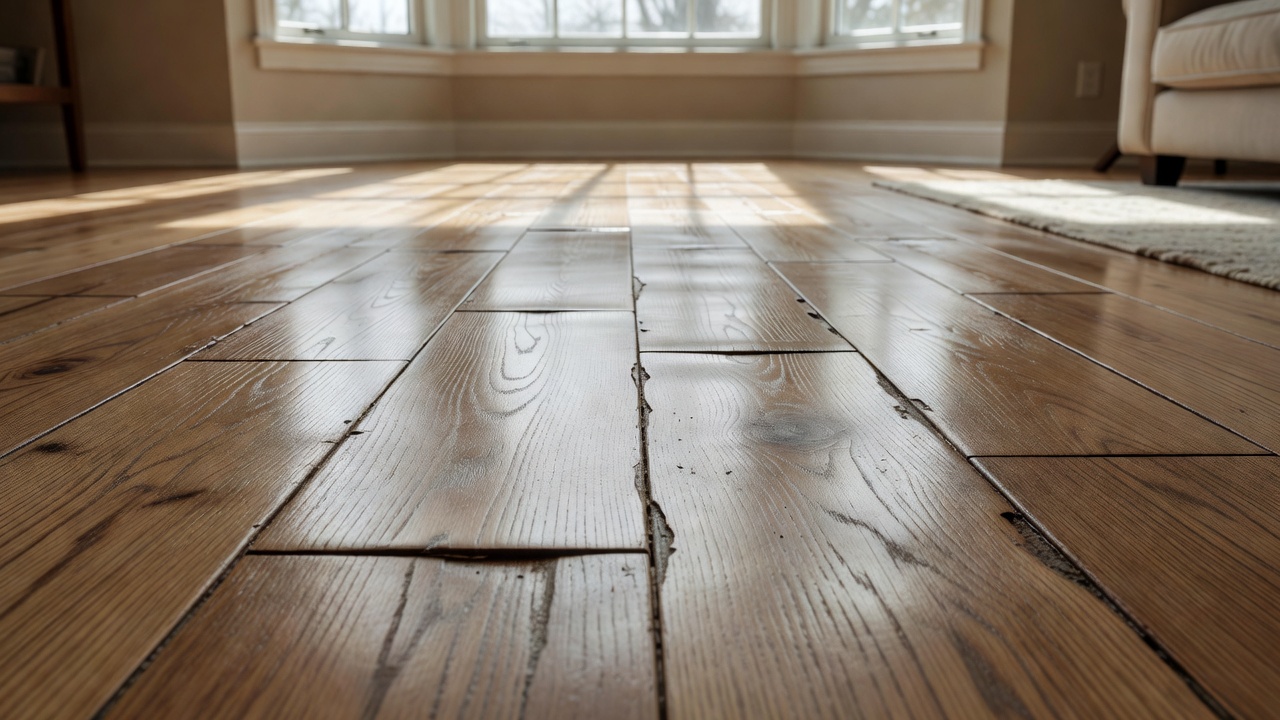
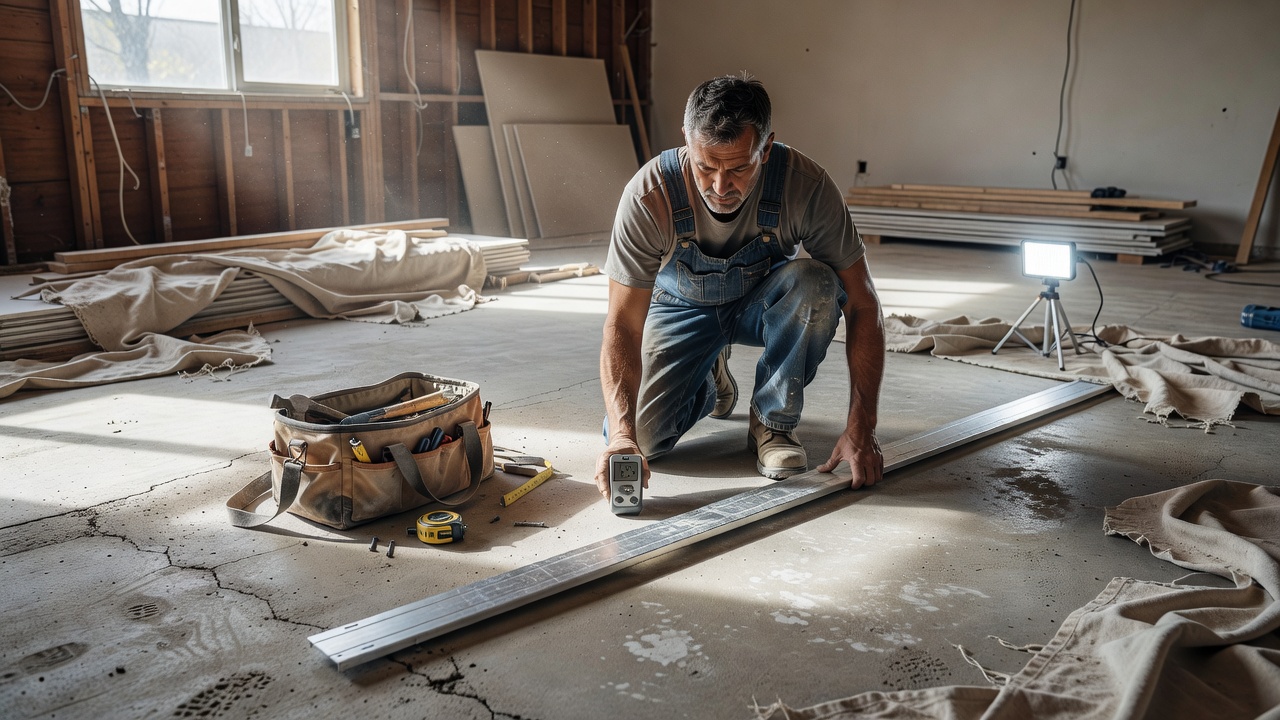
Fourth: he talks product like a salesman and prep like an afterthought. "This stuff is waterproof, so moisture isn't an issue." That's a lie that costs people whole kitchens. Waterproof wear layers don't stop vapor coming up through a slab. I still remember the condo in 2004 — nice couple, just wanted the wide-plank engineered oak that was everywhere that year. Previous contractor skipped the calcium chloride test, glued it down on a damp slab in July. By October the cupping was so bad you could rock a coffee mug on it. We tore out every board. The adhesive had turned to paste. Smell never fully left. Moisture testing isn't optional theater. It's the difference between a floor that lasts and one that becomes a story you tell with your jaw clenched. Every time I stick a meter in a slab and get a high reading I think about that job, the look on the wife's face, and the fact that the first guy was already two states away by then. Test. Every. Single. Time. Concrete, wood, old vinyl over mystery layers — doesn't matter. If he waves it off, he's not a flooring contractor. He's a temporary decorator with a truck.
Fifth: vague warranty language. "Manufacturer covers it" is not a warranty from him. You want his labor warranty in writing, separate, with a real phone number that rings after the check clears.
I swing past the current craze for those ultra-matte black floors that show every dog hair and scuff like a crime scene photo. People chase the look, hire the cheapest crew to get it fast, then act shocked when the finish wears through in the traffic lanes before the year is out. Trends don't pay for proper acclimation or expansion gaps. You do, later.
Is it better to hire a local flooring contractor or use big box installation?
Local. Not because I'm local — though I am — but because the big-box model is built to move product and schedule volume, not to own the problems under your existing floor. Their installers are usually subcontractors chasing the next ticket. Prep gets compressed. Moisture gets a quick visual. If something fails they point at the box store, the box store points at the manufacturer, and you sit there with a buckled hallway while everyone fills out forms.
A decent local outfit lives on reputation in one metro. We can't afford the bad review that says we ignored the soft spot by the dishwasher. When I bid [LINK: how to hire a flooring contractor] I price the ugly work first. Big box often wins on the shiny number because they omitted half the labor. Then the change orders start, or the floor just fails quiet.
That said, not every local guy is gold. Some of them learned on YouTube last spring. Same red flags apply. Check references that aren't their cousins. Drive by a job they finished two years ago if you can. Floors tell the truth longer than sales pitches.
How much should I pay a flooring contractor upfront?
Never more than 30 percent to start, and only after the contract is signed and materials are staged or ordered with your name on the invoice. Ten to twenty is cleaner on smaller jobs. The rest ties to milestones — demo done, subfloor accepted, final walkthrough. Anybody who needs half or more before the truck shows up is either underwater on cash flow or planning to ghost. I've seen both. The ghost ones are worse. They take the money, buy materials for a different job, and suddenly their phone is "in the shop."
Payment schedule should be written. No handshake math. If he pushes back hard on that, you've already learned what you needed.
What questions should I ask a flooring contractor before hiring?
Ask these out loud and watch the face, not just the answer.
- What exactly is included for subfloor repair and moisture mitigation, and how do you price unknowns once you open the floor?
- Can I see your current liability and workers' comp certificates, and will you list me as certificate holder?
- Who will actually be on their knees in my house — you, your crew, or day labor you met this morning?
- Walk me through your [LINK: flooring contractor payment schedule] and what triggers each draw.
- What does your labor warranty cover that the manufacturer's doesn't, and how do I reach you in eighteen months?
If he gets irritated by the list, good. You just saved yourself a headache. The right ones answer without drama because they've heard it before and still have the same crew.
I once had a guy name his moisture meter brand and the last three jobs where he walked away from a bad slab rather than force a sale. Hired him on the spot for my sister's place. Still solid.
FAQ
What are red flags when hiring a flooring contractor?
Unverified insurance, deposits over 30 percent, no written scope for subfloor work, refusal to moisture test, and crews that won't name who shows up. Those five predict almost every failed floor I've torn out.
How much should I pay a flooring contractor upfront?
Cap it at 30 percent after a signed contract and proof materials are secured. Tie the rest to completed stages so both sides stay honest.
Is big box installation riskier than a local flooring contractor?
Usually yes. Volume subcontractors rush prep and shift blame when problems appear. A reputable local owns the whole process because their name stays on the truck.
What questions should I ask a flooring contractor before hiring?
Ask about subfloor allowances, current insurance certificates, who performs the labor, the exact payment draws, and the labor warranty terms. Straight answers beat smooth ones.
How do I verify a flooring contractor's insurance?
Request the certificate, call the agency on it, and confirm active dates and coverage amounts. Don't accept a photo of a paper from last year.
Anyway. Call somebody before you rip anything out. Doesn't have to be me. Should probably be me.