solid vs engineered hardwood snobbery
Is Solid Hardwood Snobbery Worth It? 2026 Guide
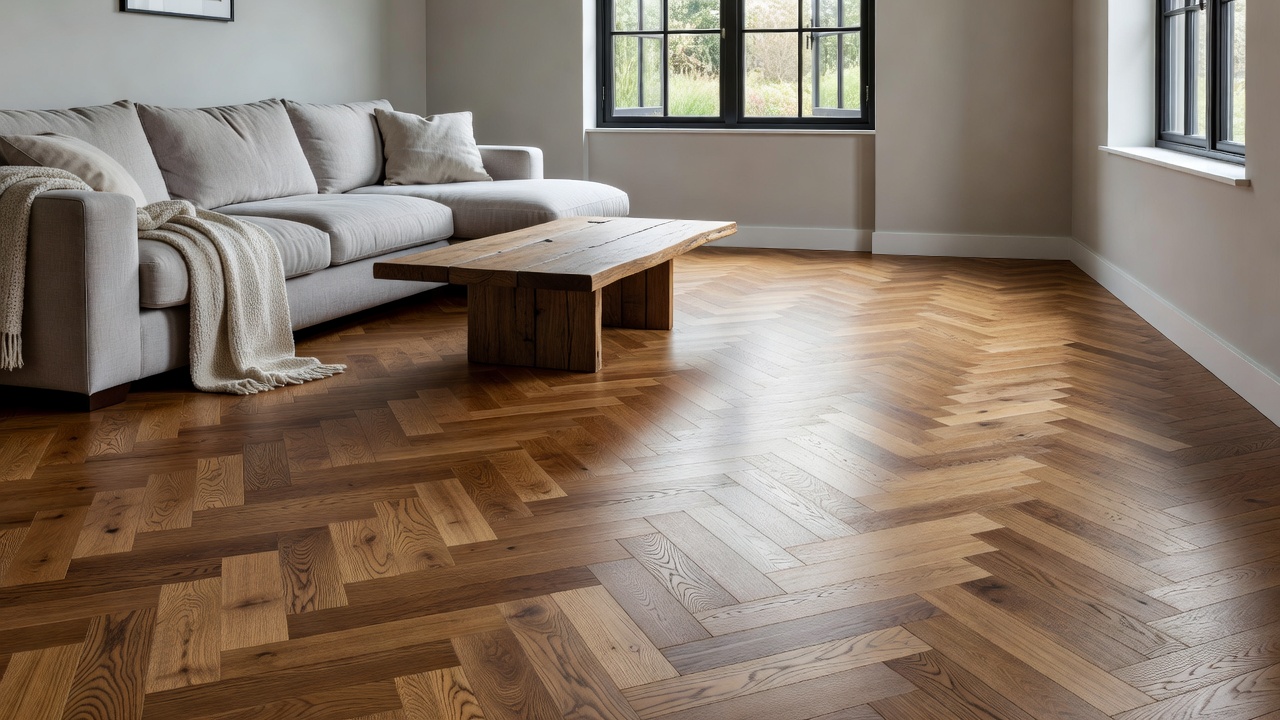 One does not simply walk on the question of solid hardwood. One experiences it—barefoot if one is civilized—while the lesser materials of the age clamor for attention like understudies who have never seen the stage. Solid hardwood snobbery is the unapologetic insistence that only full-thickness, site-finished solid wood planks deliver true underfoot nobility, acoustic honesty, and the right to look faintly disappointed at everyone else’s floors. Is solid hardwood snobbery worth it? Yes—when the home is permanent, the climate cooperative, and the soul requires the quiet authority of something that can be refinished three or four times across a lifetime. It is non-negotiable for the primary living spaces of anyone who claims taste. It becomes optional (one almost chokes on the word) only in moisture-prone zones or temporary leases, where the discerning sole may grudgingly compromise without surrendering the hierarchy itself.
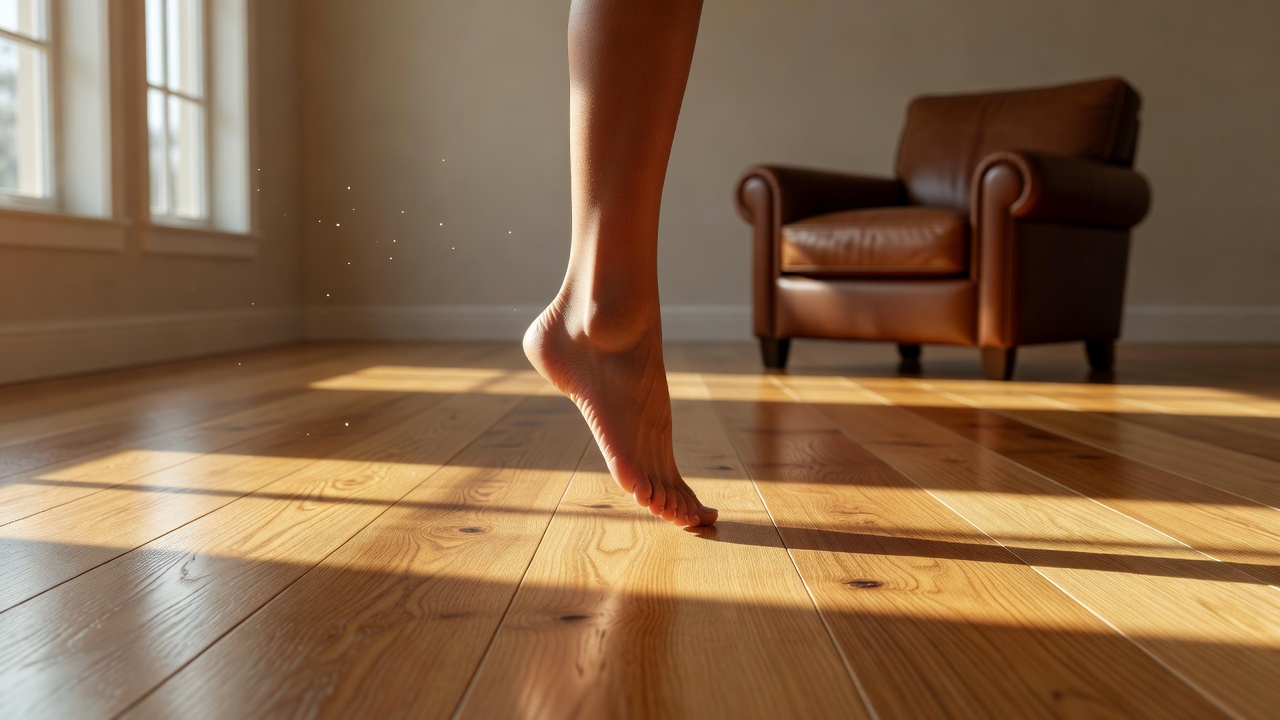
I have spent the better part of a decade conducting what the uninitiated call “showroom visits” and what I call material tastings. Eleven flagship environments (three Floor & Decors of varying ambition, one surprisingly well-curated Lumber Liquidators, and assorted independents who still believe in oil finishes) have trained my soles the way a sommelier trains a nose. The flooring material hierarchy is not a matter of marketing. It is a matter of physics meeting pedigree.
Can you tell the difference between solid and engineered hardwood?
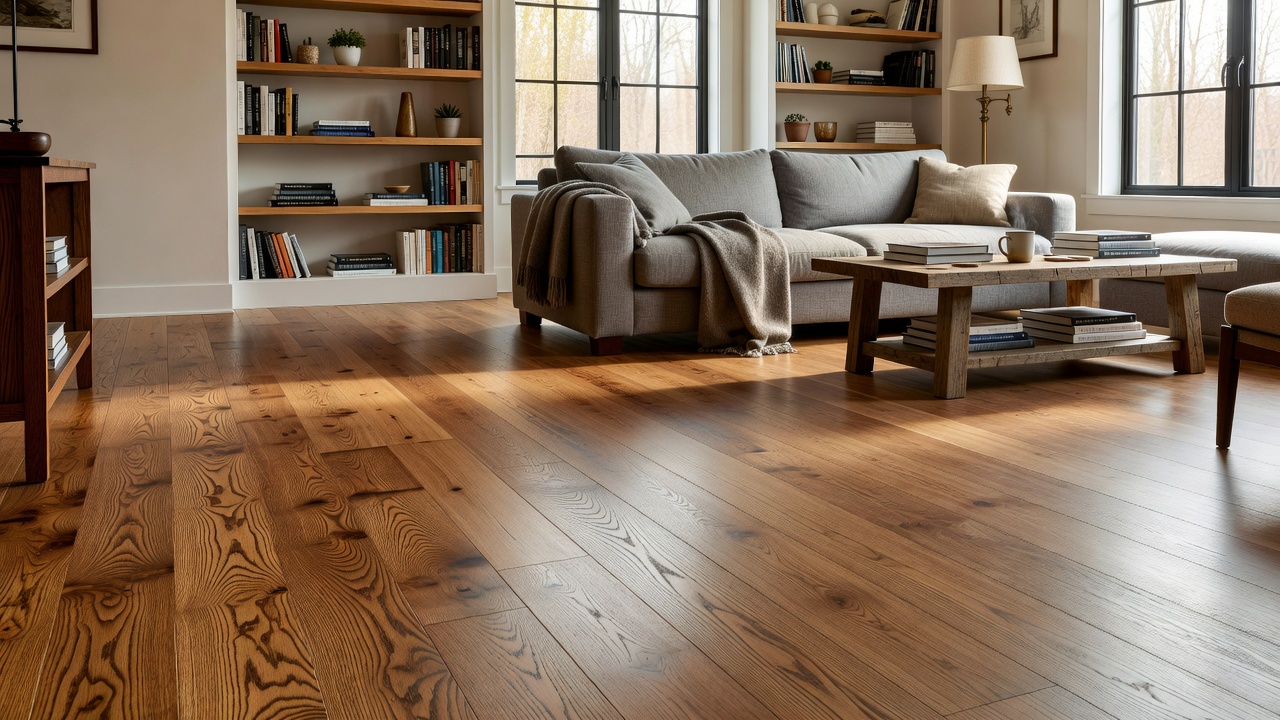
Yes. Immediately. And if you claim otherwise you are either wearing socks of treacherous thickness or practicing the sort of democratic politeness that has ruined dinner parties since the invention of the open floor plan.
Solid hardwood is milled from a single piece of timber, typically ¾ inch thick, tongue-and-groove, nailed or stapled to a wood subfloor. It expands and contracts with the seasons like a living thing that remembers the forest. Engineered hardwood is a wear layer of real wood—sometimes a generous 4–6 mm, sometimes a sad 0.6 mm veneer—glued atop plywood or high-density fiberboard. Dimensionally stable, yes. Capable of floating installation, yes. But the underfoot conversation is entirely different.
Tasting notes — Solid White Oak, 5-inch plank, site-finished matte oil:
On the nose: faint tannin, beeswax, and the clean severity of a gallery that has never hosted a children’s birthday.
Attack: firm yet forgiving, a micro-flex that registers as confidence.
Mid-palate: warm resonance; footsteps produce a muted, expensive thud rather than the hollow tok of floating floors.
Finish: long, dry, slightly aristocratic. Leaves the sole wanting another pass.
Rating: 9.2 Insoles out of 10.
Tasting notes — Engineered White Oak, ½-inch overall, 3 mm wear layer, click-lock:
On the nose: engineered oak and quiet ambition—admirable, but one detects the plywood substrate the way one detects Merlot in a “Bordeaux blend” at a gallery opening.
Attack: slightly springier, almost eager to please.
Mid-palate: competent warmth truncated by a faint hollowness, as if the floor is performing rather than being.
Finish: shorter; the soul registers the compromise before the mind admits it.
Rating: 7.4 Insoles out of 10. Respectable. Not the same family.
I once watched a couple in a Midtown showroom insist they “couldn’t tell.” I invited them to remove their shoes. The wife’s face did a small, private collapse. That is the difference. It is not snobbery if the nerve endings agree. For those still weighing the practical case, the full comparison lives in my earlier notes on [LINK: solid vs engineered hardwood longevity].
Does solid hardwood add more resale value than engineered?
In markets that still possess a pulse of discernment—certain ZIP codes on either coast, select historic districts, anywhere a buyer’s agent still whispers “original hardwoods” like a password—yes. Appraisers and stagers continue to assign a prestige premium to solid stock that can be sanded and refinished multiple times. Engineered can often be refinished once, sometimes twice if the wear layer is thick and the gods of polyurethane are kind. After that it is laminate with better parentage.
Real-world ranges I have observed (and yes, one does occasionally glance at listing data between tastings): solid hardwood in good condition can support a 2–5 % perceived value lift over comparable engineered in the same home, particularly when the alternative is advertised as “wood-look.” That lift is not universal. In a 2026 new-build condo with radiant heat and a strict HOA, engineered’s stability may actually be preferred. But the story solid tells—permanence, stewardship, the ability to erase decades of scuffs and begin again—is still the one that photographs better and lingers longer in a buyer’s memory. Snobbery, in this instance, is simply accurate marketing of the self.
Can vinyl planks fool neighborhood or hardwood snobs?
They can fool the eyes from three feet away under the right lighting and with a sufficiently thick wear layer and synchronized embossing. They cannot fool the sole, the ear, or anyone who has ever lived with real wood long enough to miss it. Luxury vinyl plank (LVP) is waterproof, dent-resistant, and priced for the practical. It is also, underfoot, a competent synthetic that cools too quickly and rings with a subtle polymer brightness no amount of attached underlayment fully conceals.
I have stood in open houses where the listing agent performed the classic reveal—“It’s LVP, can you believe it?”—and watched the neighborhood snobs smile tightly while their bare feet filed the information under temporary. The hierarchy does not bend for photorealistic grain. LVP occupies the useful lower rungs: basements, rentals, the powder room one does not photograph. It does not ascend to the parlor. For the full sensory autopsy I refer the curious to [LINK: can LVP pass for hardwood underfoot].
Budget-conscious flooring content creators will, of course, insist the hierarchy is “gatekeeping.” One particular creator—let us call her a tireless champion of “good enough”—regularly declares that anyone still championing solid stock is out of touch with moisture meters and modern adhesives. Charming. I have never once seen her barefoot on the comparison racks. The joke, naturally, is that some of us have never had to write the check ourselves; we simply know what the check should purchase.
The hierarchy of underfoot nobility (2026)
- Solid hardwood, site-finished — the grand cru. Non-negotiable in primary living spaces of forever homes.
- Thick-wear-layer engineered, glue-down — the respectable second growth. Acceptable when subfloor or radiant heat demands it.
- Thin-wear engineered or high-end LVP — the competent understudy. Deploy where water or landlords rule.
- Everything else — linoleum nostalgia and laminate that still thinks it is fooling someone. One does not discuss these in mixed company.
Is hardwood flooring worth it? The better question is whether you are worth the hardwood. If the answer is yes, solid remains the clearest declaration.
FAQ
Is solid hardwood snobbery worth it in a kitchen?
Only if you accept the maintenance and the occasional water panic; many discerning soles now stop the solid at the kitchen threshold and continue with a matching thick-wear engineered or even a stone-look LVP for the wet zone. The nobility is preserved where it is seen and felt most. Practicality is not betrayal if the hierarchy remains visible.
Can you really tell solid from engineered with socks on?
Socks mute the distinction but do not erase it; the acoustic signature and the micro-flex still report the truth to anyone paying attention. Remove the socks. Civilization demands it.
Does solid hardwood always beat engineered on resale?
In traditional single-family markets that value refinishing potential, yes—often by a measurable prestige margin. In moisture-prone or multi-unit new construction, engineered can close the gap or reverse it. Context is the final tasting note.
Will LVP ever satisfy a true hardwood snob?
It may satisfy the eyes and the insurance adjuster. It will never satisfy the sole that has known the real thing. Temporary truce is possible; conversion is not.
How many times can solid hardwood actually be refinished?
Typically three to five times over decades if the original thickness is a full ¾ inch and previous sandings were restrained. That longevity is the economic argument even the most poetic snob eventually deploys.
There you have it: solid hardwood snobbery is worth it precisely when the floor must outlast trends, tenants, and the soft tyranny of “close enough.” It is the difference between owning a surface and stewarding a material that remembers every season. I have tasted the alternatives. I have rated them fairly. I have even, on one humid afternoon in a third-floor walk-up whose landlord still believes laminate is “wood-adjacent,” stood on my own compromise floor and felt the quiet ache of knowing better. The hierarchy endures. One simply hopes the next place will finally let the soles live as they were meant to.