hardwood floor refinishing before sellin
Refinishing Hardwood Floors ROI: Worth It Before Selling?
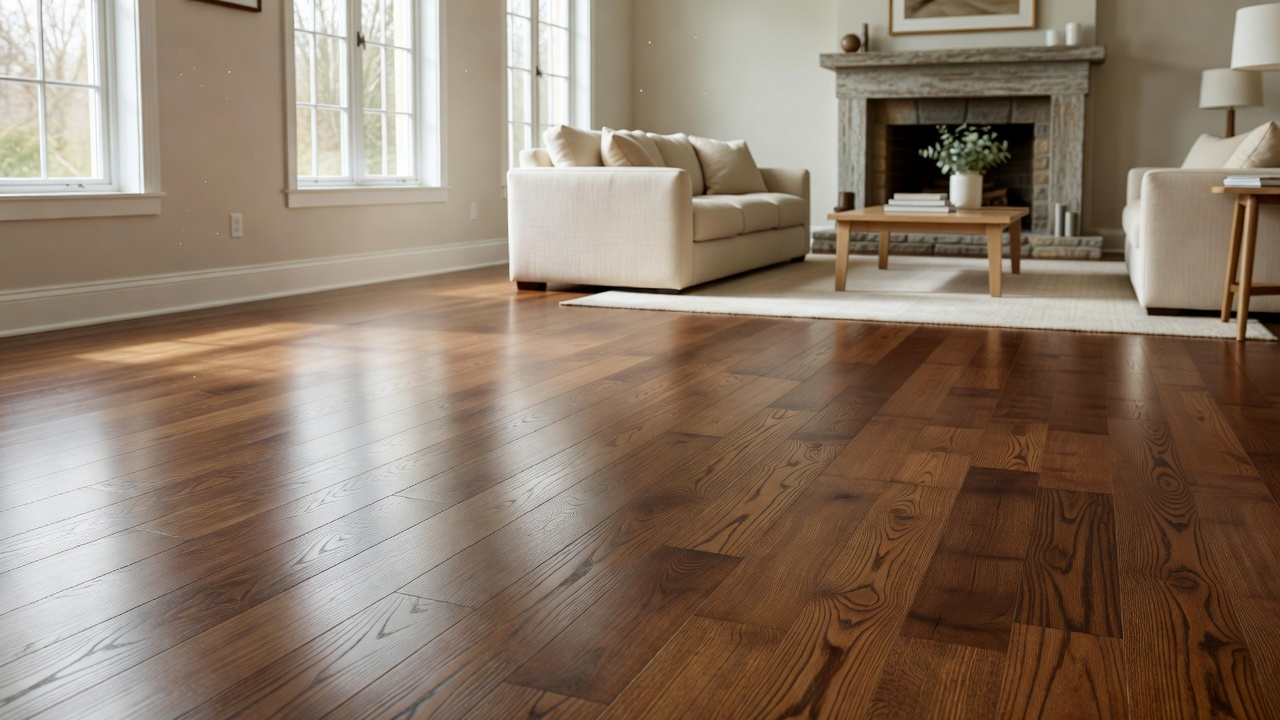 The Hendersons listed at $612,000 with original 1998 oak that looked like a golden retriever had used it as a chew toy. Six weeks, three price cuts, zero offers. They pulled the listing, spent $3,800 refinishing 1,100 square feet, relisted at the same price, and closed in nine days for $608,500. That is refinishing hardwood floors ROI in the wild: you often get your money back and then some, because buyers stop negotiating the second the floors stop screaming deferred maintenance.
Refinishing hardwood floors ROI is the share of what you spend sanding, staining, and sealing existing hardwood that comes back to you at sale—through a higher contract price, fewer concessions, or a faster close that saves carrying costs. National Association of Realtors remodeling data still circulating into 2025–2026 puts average recovery near 147%. New hardwood installs land closer to 100–118%. LVP sits in the 65–80% band. Gorgeous does not always mean it appraises. I wish it did.
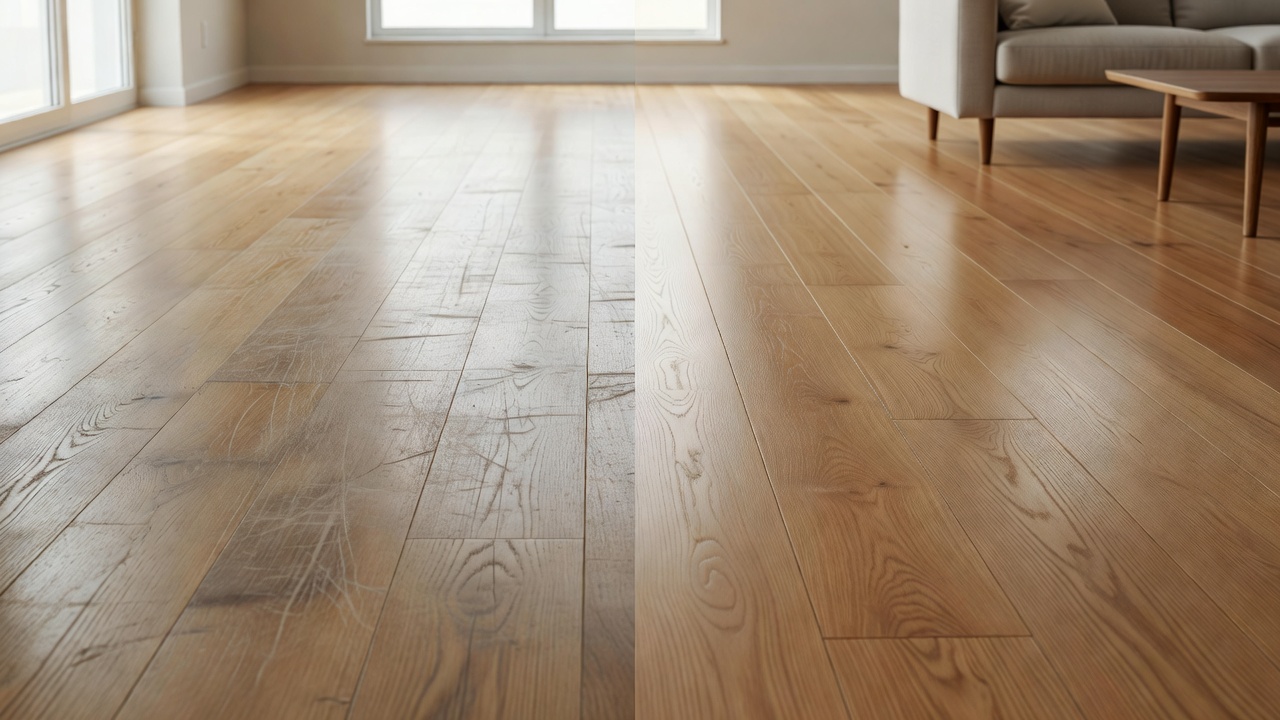
Is refinishing hardwood floors worth it before selling?
Usually yes—if the boards are structurally sound and the finish is the only thing embarrassing you.
I run a simple filter on every pre-list walkthrough:
- Petches, gray traffic lanes, water rings, and finish failure in the first 10 feet from the front door — refinish. Buyers form the offer number before they hit the kitchen.
- Deep gouges, cupping, or boards that flex — stop. You are in repair-or-replace territory, and the ROI math changes.
- Already thin from two prior sandings — engineered or solid with no meat left gets a strategic LVP swap in wet zones, not another pass with a drum sander.
- Trendy gray stain the sellers “just love” — sand it back to something warm and neutral. Designer logic sells magazines. Neutral oak sells houses.
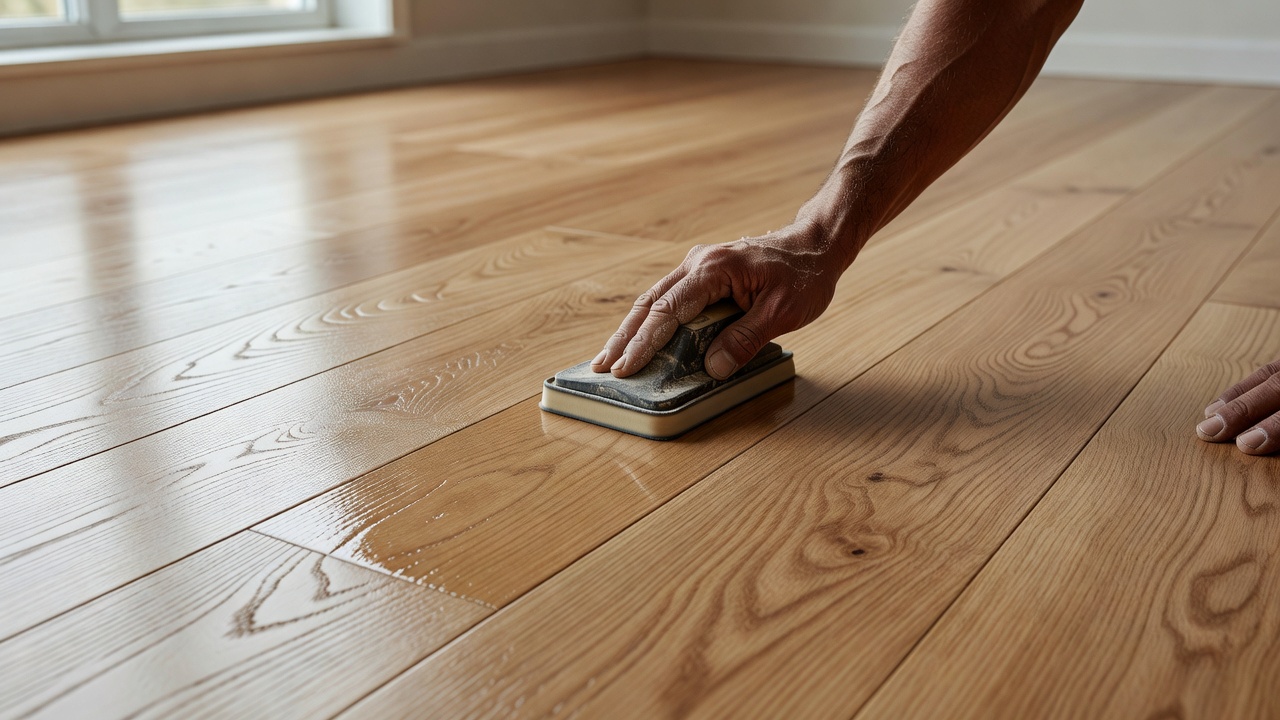
On a typical 1,000–1,400 sq ft main-level job in most metros, expect $3–7 per sq ft for a full cut-in, stain, and three-coat water-based finish—roughly $3,500–$8,500 all-in with furniture moves and minor repairs. Oil-based still exists; it yellows and smells like a hardware store for a week. Water-based is what I specify for listing timelines.
Compare that to ripping everything out for new solid hardwood at $12–20+ per sq ft installed. You can chase the “new floors” headline and watch your net shrink. Refinishing keeps the real wood story buyers still pay for, at a fraction of the capital outlay. For more on when replacement actually wins, see [LINK: hardwood vs engineered flooring cost breakdown].
The Henderson job recovered the $3,800 and erased about $18,000 in cumulative price reductions they were about to accept. That is the part the NAR percentage does not fully capture: avoided concessions.
What flooring increases home value the most?
Real hardwood—properly finished—still ranks at the top of buyer preference and appraiser comfort. Engineered hardwood is close if the wear layer is honest. Quality LVP is the practical workhorse in basements, rentals, and heavy-pet households. Laminate and tired carpet are value drains.
NAR and multiple broker surveys keep stacking the same way: refinished hardwood and new mid-grade hardwood lead recovery percentages. LVP returns less of its cost but can still raise the sale price versus stained carpet because it photographs clean and feels “updated.” Tile is polarizing and expensive to get wrong. Carpet almost never returns what you spend unless you are covering plywood for a quick flip in a cold market.
I staged a Craftsman last spring where the sellers wanted wide-plank European oak in a color that looked like wet concrete. Stunning in a showroom. Dead on the appraisal. We sanded the existing red oak, used a light natural stain, and the first weekend produced two offers over ask. The “statement floor” would have cost triple and appraised like a liability.
Buyer psychology is brutally simple:
- Worn floors = “what else did they neglect?”
- Freshly refinished floors = “I can move in and not think about this for ten years.”
- Trendy floors that fight the architecture = “I will have to redo these.”
First impressions happen in the entry and the sightline to the living room. If those boards look tired, every subsequent room gets a steeper discount in the buyer’s head. I have watched otherwise clean houses sit because the floors made the whole place feel older than the roof and HVAC actually were.
Does hardwood flooring increase home value—and what is the ROI on new hardwood vs refinishing?
Yes, hardwood increases home value relative to carpet or damaged flooring. The smarter question is how much of your cash comes back.
Refinishing: often 100–147% recovery when the bones are good. Cost base is low, visual jump is high, and you keep the “real hardwood” line on the listing sheet.
New solid hardwood install: 100–118% in strong data sets, sometimes less if you over-spec species or width the neighborhood will not pay for. You are spending $15,000–$30,000+ on a full main level. Recovery dollars can be larger in absolute terms; percentage and risk are usually worse than a refinish.
LVP over ruined floors or in moisture zones: 65–80% typical. Still correct when hardwood is the wrong product—below-grade, slab with vapor issues, or a rental where durability beats prestige. I swapped carpet for mid-grade LVP in a ranch before listing last fall and added about $4,200 to the final offer against a $5,100 invoice. Not 147%. Still the right call. Net proceeds matter more than bragging rights.
Regional climate notes matter. Humid summers and dry winters move solid wood; leave expansion gaps and do not refinish three days before photos if the house is a humidity roller coaster. Arid markets love lighter natural finishes that do not show dust. Coastal and snowbelt foyers take a beating—budget an extra coat or a runner strategy for showings.
For listing prep sequencing and what to tackle after floors, use [LINK: home staging checklist before listing].
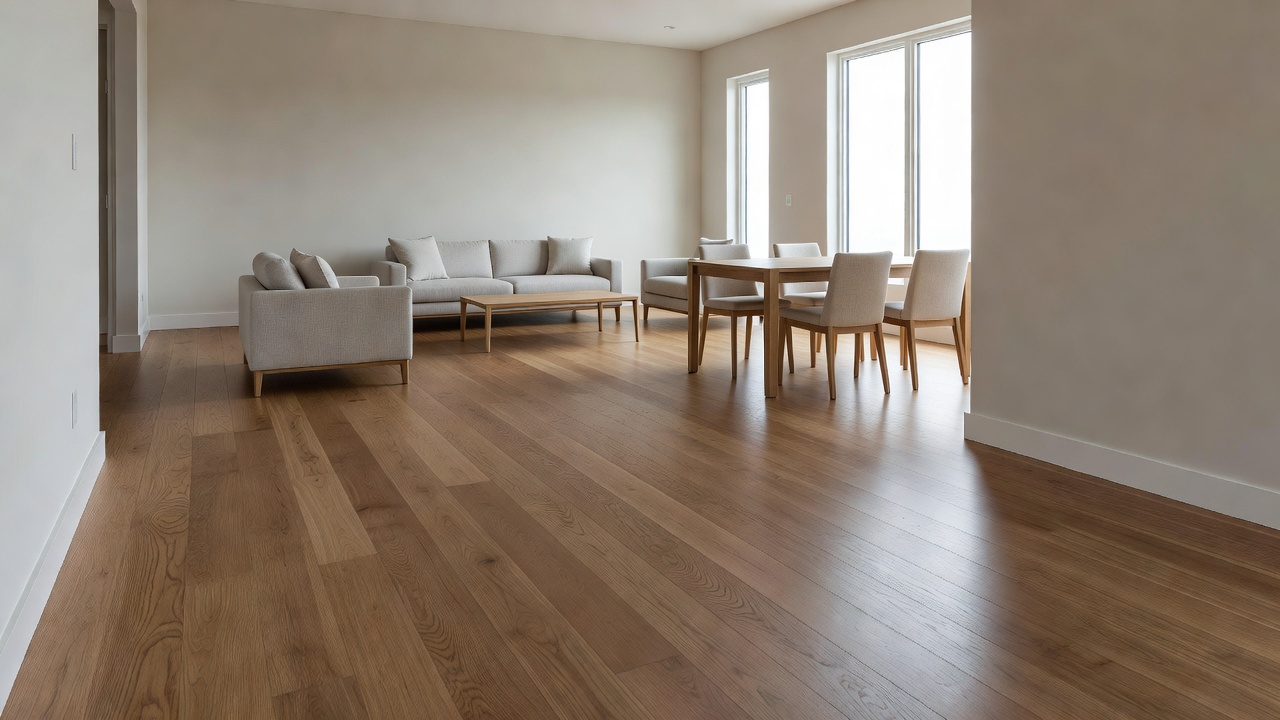
When you should skip the refinish and go LVP instead
Not every house deserves the full hardwood sermon.
Skip refinishing when:
- The wear layer on engineered is paper-thin.
- Multiple rooms have irreversible pet urine saturation in the subfloor.
- You are in a price band where buyers expect “turnkey durable,” not “heirloom oak.”
- Timeline is under two weeks and you cannot control dust, odor, or cure time around showings.
Strategic LVP in kitchens, baths, mudrooms, and basements while keeping refinished hardwood in living and sleeping areas is a hybrid I use constantly. You protect the ROI core without over-improving wet zones that will get destroyed again in three years.
Over-improving is real. Putting $22/sq ft white oak in a neighborhood of $380k median sales so you can feel fancy is how you donate equity to the next owner. Match the floor to the price tier and the dominant buyer profile. Appraisers pull comps; they do not fall in love.
FAQ
What flooring increases home value the most?
Refinished or new real hardwood consistently ranks highest for buyer appeal and cost recovery, often outpacing LVP, tile, and carpet in NAR-style remodeling impact data. Engineered hardwood with a real wear layer is a close second. Match quality to the neighborhood price point or you will not see the premium.
Is refinishing hardwood floors worth it before selling?
Yes when the boards are sound and the finish is the problem—average recovery near 147% makes it one of the strongest listing-prep moves available. Skip it only if the wood is too thin, structurally damaged, or wrong for the room’s moisture load. Then use targeted LVP and keep your net.
Does hardwood flooring increase home value?
It does relative to worn carpet, damaged vinyl, or neglected finishes, because buyers pay for durability they can see and appraisers can defend in comps. The increase shows up as stronger offers and fewer repair credits, not as a magic line item. Condition and finish quality matter as much as the material name.
What is the ROI on new hardwood floors vs refinishing?
Refinishing typically returns a higher percentage of cost (up to ~147%) because the spend is lower and the visual reset is dramatic. New installs return roughly 100–118% but require far more cash upfront. Choose new only when the old floor is finished—literally.
How long before listing should I refinish?
Plan 7–14 days minimum for sanding, coats, cure, and light staging so you are not showing a sticky house. Water-based systems compress the window; do not schedule open houses the morning after the final coat.
Run the numbers on your actual square footage and two contractor bids before you romanticize the grain. If you are selling in the next two years, refinish the high-visibility wood and stop there. If you are just living your life, fix the damage and pick a finish you will not hate every morning—because the answer changes everything I just said.