Most Durable Flooring for High Traffic: Pro Reality
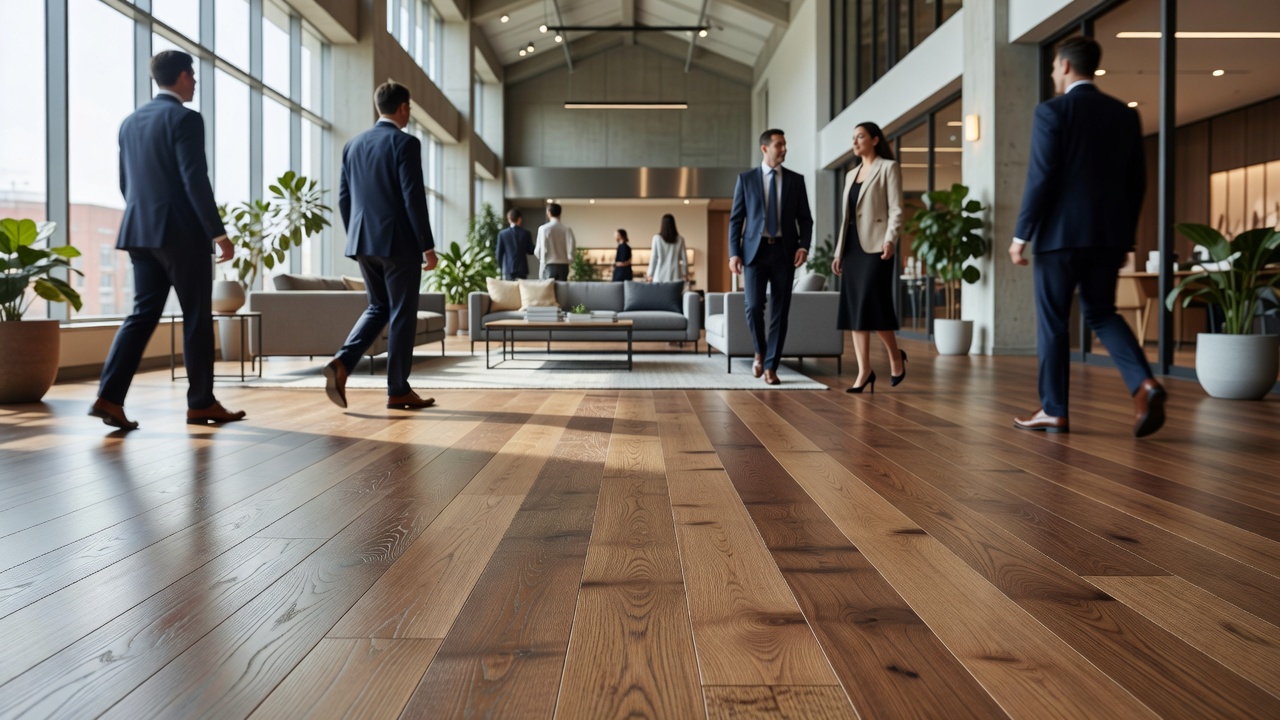 The most durable flooring for high traffic is properly installed porcelain tile or commercial-grade LVP over a flat, dry subfloor. Not the prettiest answer. Not the one with the thickest wear-layer sticker. That's the one that still looks decent after a decade of boots, dogs, and grocery carts rolled straight from the car. Most durable flooring for high traffic means a floor system — material, prep, moisture control, and install — that survives constant abuse without cupping, scratching through, or peeling at the edges like a bad sticker. Everything else is showroom lighting and hope.
I told Mrs. Kline that exact thing in '19 while she stood on a slab that tested 12 pounds on the calcium chloride. She wanted the "pet-proof" luxury vinyl she'd seen online because the wear layer said 28 mil and the website called it indestructible. I moisture-tested anyway. She argued. I installed it after she signed the waiver. Two summers later the planks tented in the hallway like a circus. The vinyl wasn't the villain. The wet slab was. Subfloor prep is 80% of the job and nobody wants to pay for it.
What is the most durable type of flooring?
Porcelain tile. Then commercial LVP if you install it like you mean it. That's the ranking after thirty years on my knees, not after reading abrasion charts in a warehouse break room.
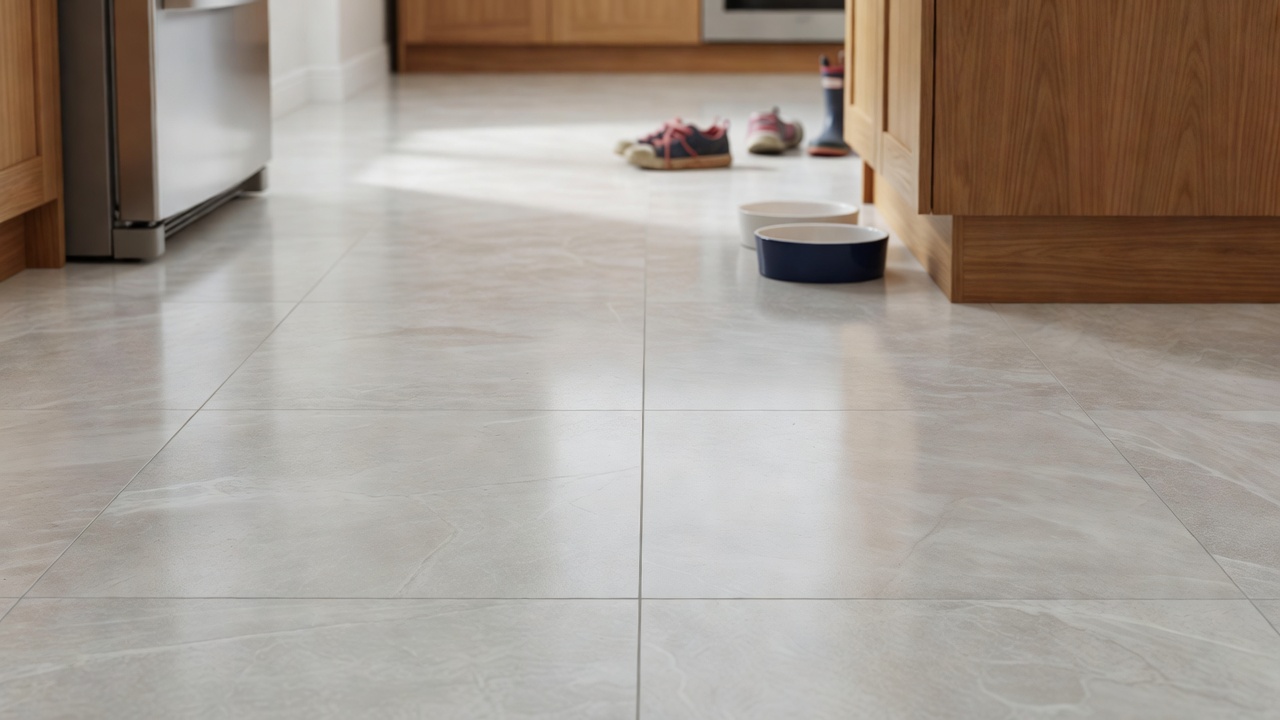
Porcelain wins on pure abuse. It laughs at grit, rolling chairs, dropped cast iron, and the kind of dog nails that sound like a typewriter on hardwood. A decent glazed porcelain in a PEI 4 or 5 rating will outlast the people who bought the house. The grout is the weak link — seal it, clean it, stop using those colored caulk pens from the craft aisle. I've pulled 20-year-old porcelain kitchens that still looked better than five-year-old "waterproof" laminate that had swollen at every seam.
Commercial-grade LVP — 20 mil wear layer minimum, preferably 28 or 30, rigid core, glued or properly locked over a dead-flat subfloor — comes second for busy homes. It handles scratches better than people admit if you pick the right product and don't treat the underlayment like an afterthought. Residential thin-wear LVP from the big-box endcap is not the same animal. Don't confuse them.
Laminate sits lower than the marketing claims. Engineered hardwood lower still unless you're gentle and dry. Solid hardwood in a high-traffic entry with kids and labs is a refinishing subscription, not a floor. I've seen the before-and-after photos people post. Cute for six months.
True flooring durability is about 70% subfloor prep, moisture control, and install quality. The wear-layer number is the remaining 30% and half of that is how you clean it. Never trust a floor that "looks fine" in the showroom lighting. Those lights hide every telegraphing joist and every soft spot.
What is the most scratch-resistant flooring?
Porcelain tile again, then high-wear commercial LVP. Real-world scratch resistance is not the same as a Taber abraser test in a lab with a clean sample and a technician who isn't dragging a bag of rock salt across it in February.
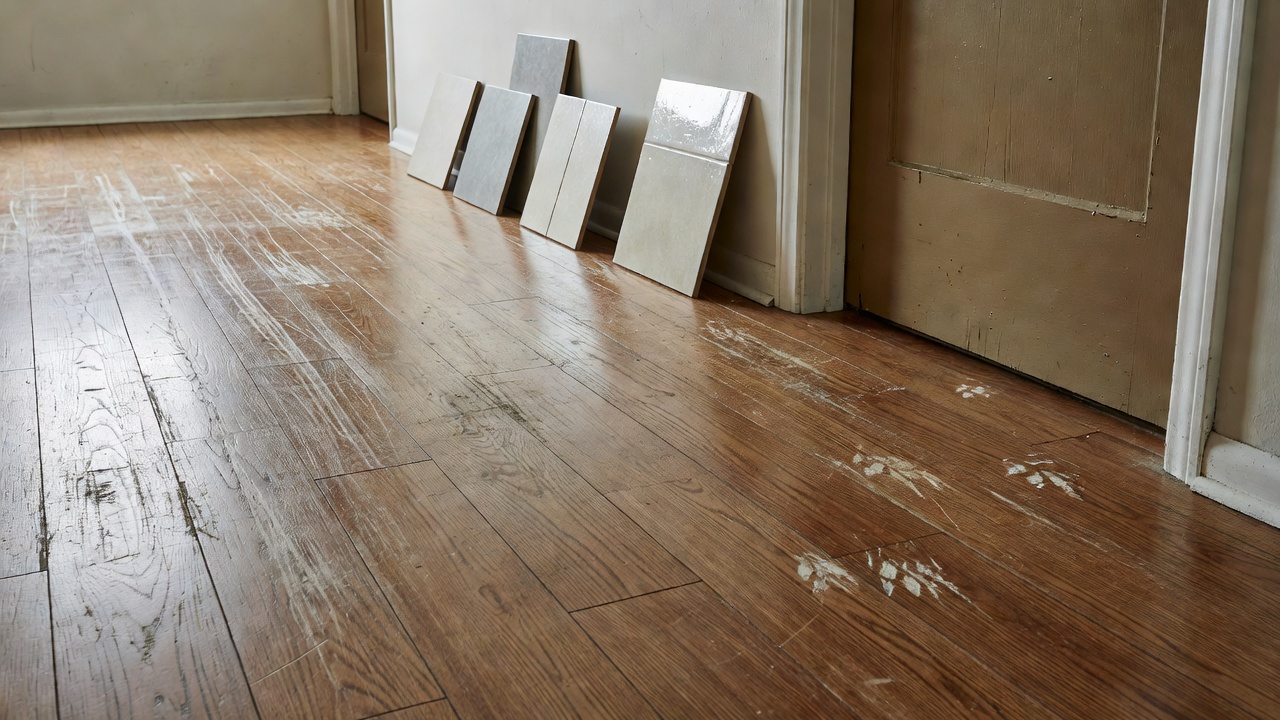
I had a job in '14 — split-level, two goldens, three kids, dad who never took his work boots off in the mudroom. They went with a matte porcelain that looked like concrete because someone on a design blog said concrete was "honest." The tile didn't care. Ten years later the only visible damage is chipped grout where the fridge got dragged. Same house, same dogs, the previous engineered oak in the living room had claw tracks you could read like braille after eighteen months.
LVP scratch resistance depends entirely on the wear layer and the aluminum oxide top coat. Below 20 mil you're buying furniture-foot insurance, not dog insurance. Above 28 mil with a decent UV coating and you can drag a chair without writing your name in the floor. I still tell people to put felt pads on everything. Cheap insurance.
The fad floors — the super-matte "soft touch" vinyls and the hand-scraped looks that trap grit in every valley — scratch easier and show it worse. You want smooth enough to clean and hard enough to take a hit. Texture is for magazines.
Is engineered hardwood durable enough for a busy family?
Sometimes. Not usually. Depends how busy and how honest you are about water.
Engineered hardwood with a 4–6 mm wear layer of a hard species — white oak, hickory — can handle moderate traffic if you keep grit off it, use rugs at every exterior door, and never ever let standing water sit. A busy family with two dogs, a toddler with a sippy cup, and a back door that stays open in summer is not moderate traffic. That's a demolition schedule.
I've installed plenty of engineered that still looks good. I've also pulled plenty that cupping turned into a washboard because somebody mopped like they were hosing down a barn. The core is plywood or HDF. Water finds it. Once the core swells, you're sanding into veneer and praying. Refinish once if you're lucky. After that you're replacing.
If you want wood look in a high-traffic zone, get a porcelain that looks like wood or a thick-wear LVP that doesn't try too hard. Save the real engineered for bedrooms and formal dining rooms where people take their shoes off. That's not me being fancy. That's me not wanting a callback in year three.
What type of flooring is best for a home with dogs?
Porcelain tile or commercial LVP. Same answer as high traffic because dogs are high traffic with claws and the occasional digestive emergency.
Dogs destroy floors three ways: nails, accidents, and the zoomies that turn every hallway into a racetrack. Porcelain handles all three if the grout is sealed. LVP handles nails and zoomies; accidents are fine if you wipe them same day and the locks aren't already compromised by a bad install. Carpet is a crime scene. Solid hardwood is a refinishing invoice with a pulse.
I did a ranch for a couple with two shepherds in '21. They wanted the wide-plank European oak look everyone was pinning that year — the one that photographs like a Swedish cabin and performs like cardboard in real humidity. I talked them into a wood-look porcelain with a micro-bevel. Cost more up front. They still send me a Christmas card. The dogs are fine. The floor is fine. No sanding. No tears.
Moisture testing is where most of these jobs go sideways and I will die on this hill. You walk into a basement or a slab-on-grade and the salesperson already sold the waterproof LVP so nobody budgets for a moisture test. You skip the test. You glue or float over a slab pumping vapor. Six months later the cupping starts at the edges. A year later you're pulling planks that smell like a damp cardboard box. I still remember the Henderson job — 900 square feet of "100% waterproof" vinyl over a slab that read 18 pounds. They refused the mitigation. I documented everything. When it failed they tried to blame the product. The product was fine. The slab was a swamp. I keep the photos. Moisture meters don't lie. People who skip them do.
For the actual install rules that keep durable floors durable:
- Flat subfloor to manufacturer spec — usually 3/16" in 10 feet — or the locks fatigue and the tile cracks.
- Moisture test every slab and every crawlspace job, then mitigate if you're over the number.
- Acclimate what needs acclimating and don't install ice-cold material on a warm day.
- Leave the expansion gaps. Fill them with the wrong caulk and you own the buckles.
- Transitions matter. A cheap T-mold that sits high becomes a trip hazard and a dirt trap.
Do those five and almost any decent product lasts. Skip them and the best porcelain in the world will telegraph every joist hump.
If you're comparing LVP vs tile durability for a specific room, start with water exposure and grit load. [LINK: lvp-vs-tile-durability] covers the side-by-side I wish more people read before they buy. For the full rundown on options that actually survive kids and pets, [LINK: durable-flooring-for-busy-homes] is the deeper cut.
FAQ
What is the most durable type of flooring?
Porcelain tile, followed by commercial-grade LVP with a 20 mil or higher wear layer, both installed over a flat and dry subfloor. Material alone does not make it durable — prep and moisture control do. Anything marketed as indestructible without those two is lying to you.
What is the most scratch-resistant flooring?
Glazed porcelain tile in PEI 4 or 5, then thick-wear commercial LVP. Real scratch resistance shows up after grit season and dog nails, not under showroom lights. Soft-touch and heavy-texture floors show every mark faster.
Is engineered hardwood durable enough for a busy family?
Only if the family is careful with water and grit and the wear layer is thick hardwood. Most busy households with kids and pets will wear through or cup it faster than they expect. Use it in lower-traffic rooms instead.
What type of flooring is best for a home with dogs?
Porcelain tile or commercial LVP. Both handle nails and accidents better than hardwood or laminate when installed right. Seal the grout on tile and wipe accidents promptly on vinyl.
Does a thicker wear layer mean the floor will last longer?
It helps on LVP and laminate, but only if the subfloor is flat and dry and the install is correct. A 30 mil wear layer over a wet slab still fails. Prep beats mil thickness every time I've seen it.
Anyway. Call somebody before you rip anything out. Doesn't have to be me. Should probably be me.