neutral flooring for home staging
Best Flooring for Home Staging: Colors & Finishes
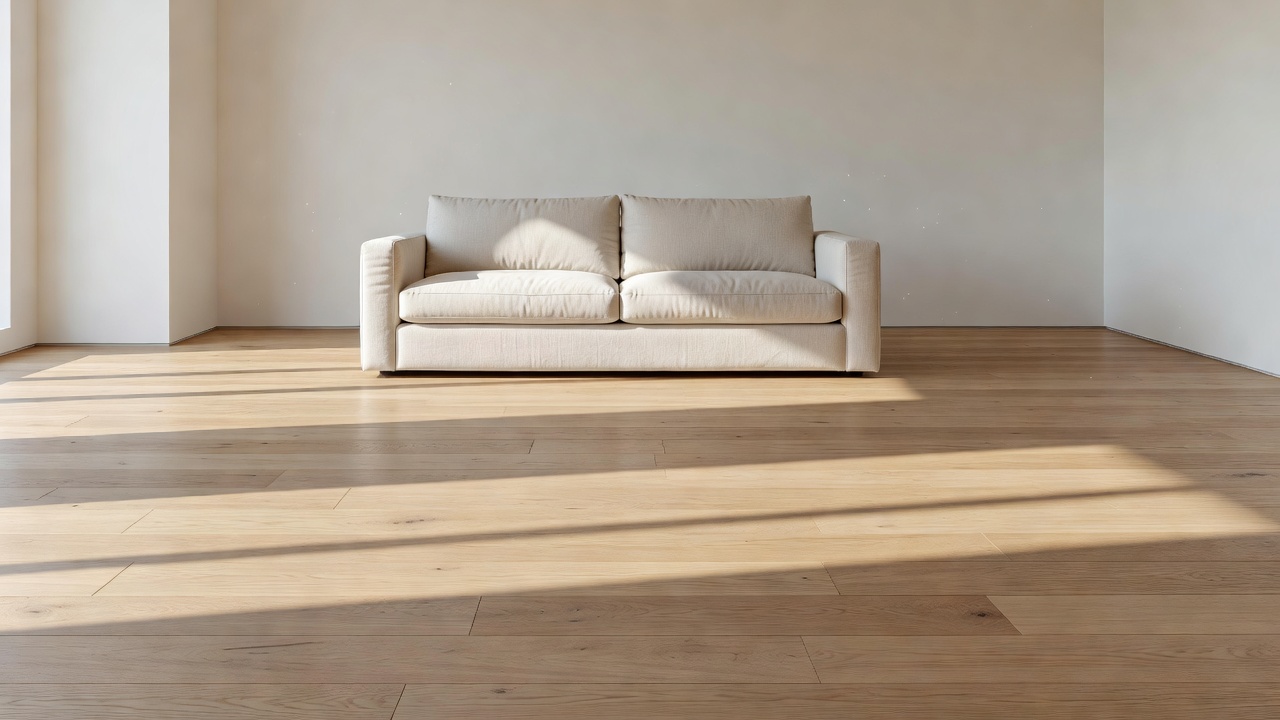
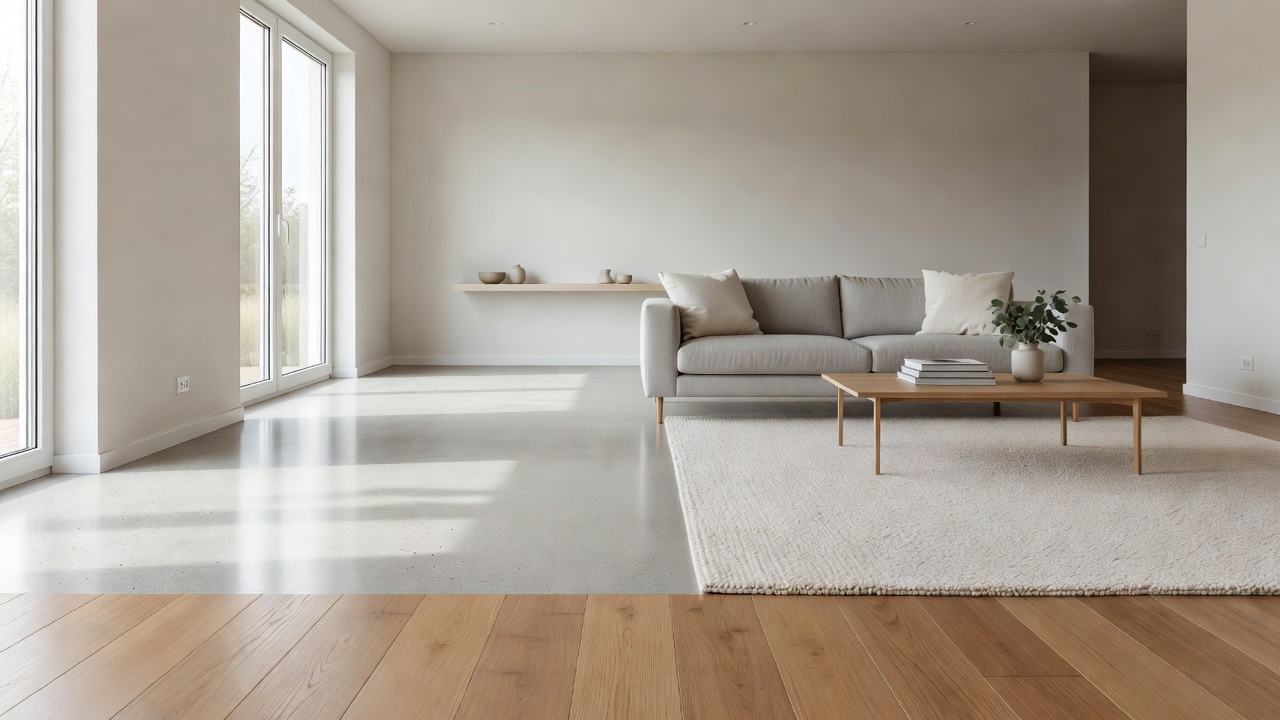 The light hits just so—honeyed afternoon pouring across a living room that still smells faintly of fresh linen and the ghost of someone’s lavender candle. Bare walls the color of warm chalk. A low linen sofa. And under everything, the floor: pale oak with a soft matte sheen, grain running long and quiet like a held breath. That is the moment the buyer’s shoulders drop. That is the sale beginning before anyone speaks.
The best flooring for home staging is clean, consistent, light-to-medium neutral flooring—preferably real or convincingly engineered hardwood in warm blonde, soft greige, or quiet taupe—with a low-sheen finish that photographs like money and feels like possibility underfoot. It does not shout. It steadies the room so the buyer can project their own life onto it.
In plain terms: the best flooring for home staging is the surface that quietly directs buyer emotion toward calm confidence—neutral in tone, unbroken in flow, elevated enough to signal care without demanding the spotlight.
Does flooring really affect how quickly a property sells?
Oh, it absolutely does. I have watched offers arrive faster in homes where the floors felt intentional—where the entry already whispered someone took care here—than in otherwise identical listings with scuffed laminate or a jarring transition from orange oak to gray tile. Flooring is the largest uninterrupted plane in most rooms. It sets the emotional temperature before the paint even registers.
Buyers do not walk in and think “nice flooring.” They feel either welcomed or slightly on edge. Dark, glossy, high-contrast floors can read as formal or dated depending on the light; busy patterns or cold blue-grays can make a space feel smaller and more temporary. Warm, continuous neutrals expand the visual field and lower the heart rate. That is not soft science. That is what I see when the open-house clock starts.
When the floors are right, the rest of the staging has room to breathe. When they are wrong, every beautiful vignette has to work twice as hard. I once staged a darling bungalow with original 1970s parquet that had gone muddy and dull—everything else was perfect, and still people hesitated at the threshold. We refinished it to a soft champagne tone. It sold the following weekend. The floor had been holding the whole story hostage.
Yes, the install people will tell me finish and species matter more than “mood.” They are not entirely wrong about durability. But mood is what writes the offer.
What type of flooring works best for property staging?
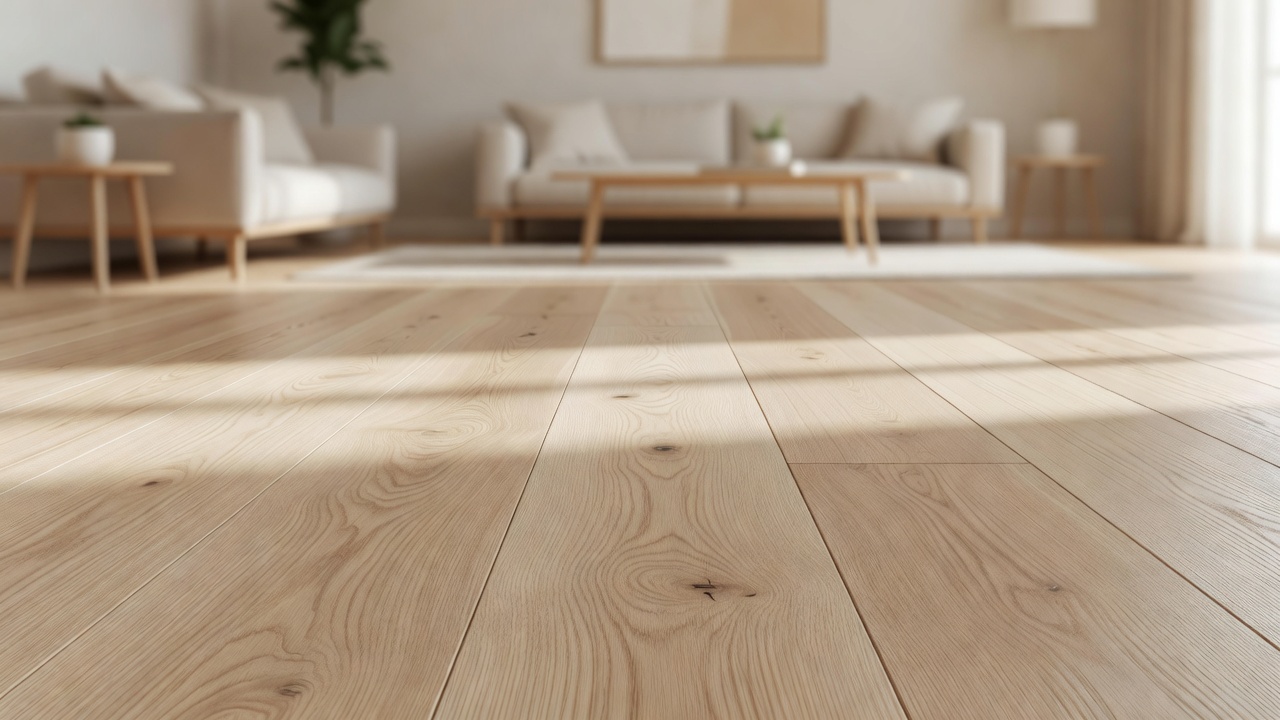
Hardwood—or engineered hardwood that behaves like it—still reigns. Wide planks in a light-to-medium tone with a matte or ultra-matte finish photograph cleanly and feel current without chasing last season’s trend. I am talking white oak in natural or light wire-brushed, European white oak in soft greige, occasionally a quietly whitewashed pine if the architecture can carry it. Avoid high-gloss anything; it turns every footprint into a subplot.
Laminate and luxury vinyl can work if—and only if—the texture and tone are sophisticated enough that no one clocks the shortcut from the doorway. Cheap gray wood-look planks with a plastic sheen? Instant buyer skepticism. A well-chosen LVP in a warm neutral with subtle grain variation and a soft hand? Acceptable, especially in kitchens and baths where water anxiety lives. For the hierarchy and the psychology behind material choices, see my notes on [LINK: hardwood vs laminate for staging].
Color is where most people get timid or trendy in the wrong direction. Pure cool gray floors had their moment; many of them now feel like a 2018 open house that never quite ended. Warm neutrals—think oat, sand, pale honey, mushroom, soft taupe—let furnishings and art do the talking while still reading as fresh. Consistency across main living areas matters more than perfect matching in every closet. Abrupt material changes fracture the story.
Here is the mood board in words I keep taped inside my sample case:
- pale wire-brushed oak, matte, almost edible
- greige European white oak with faint cathedral grain
- soft champagne engineered plank, low sheen, barefoot quiet
- warm taupe LVP that does not scream “vinyl”
- continuous flow, no jarring thresholds
- light that pools instead of glares
That is the palette that lets a staged home feel both aspirational and livable.
Is it better to replace flooring or improve existing floors before selling?
Improve first. Always. Refinishing, deep cleaning, repairing transitions, and neutralizing an existing floor almost always delivers more return than a full tear-out—unless the material is damaged beyond salvation, actively unsafe, or so stylistically locked to another decade that no amount of staging furniture can rescue it. I have cried (quietly, in a client’s powder room) over a herringbone that only needed a gentler stain and a modern matte topcoat. It became the hero of the listing photos.
Full replacement makes sense when you have pet damage that has gone structural, water-warped boards, or a patchwork of three different floors fighting each other in the main sightlines. Even then, stay in the neutral family and prioritize the rooms buyers feel first. For the decision framework and cost realities, pair this with [LINK: should I replace flooring before selling].
Which rooms should I prioritise for flooring updates when staging?
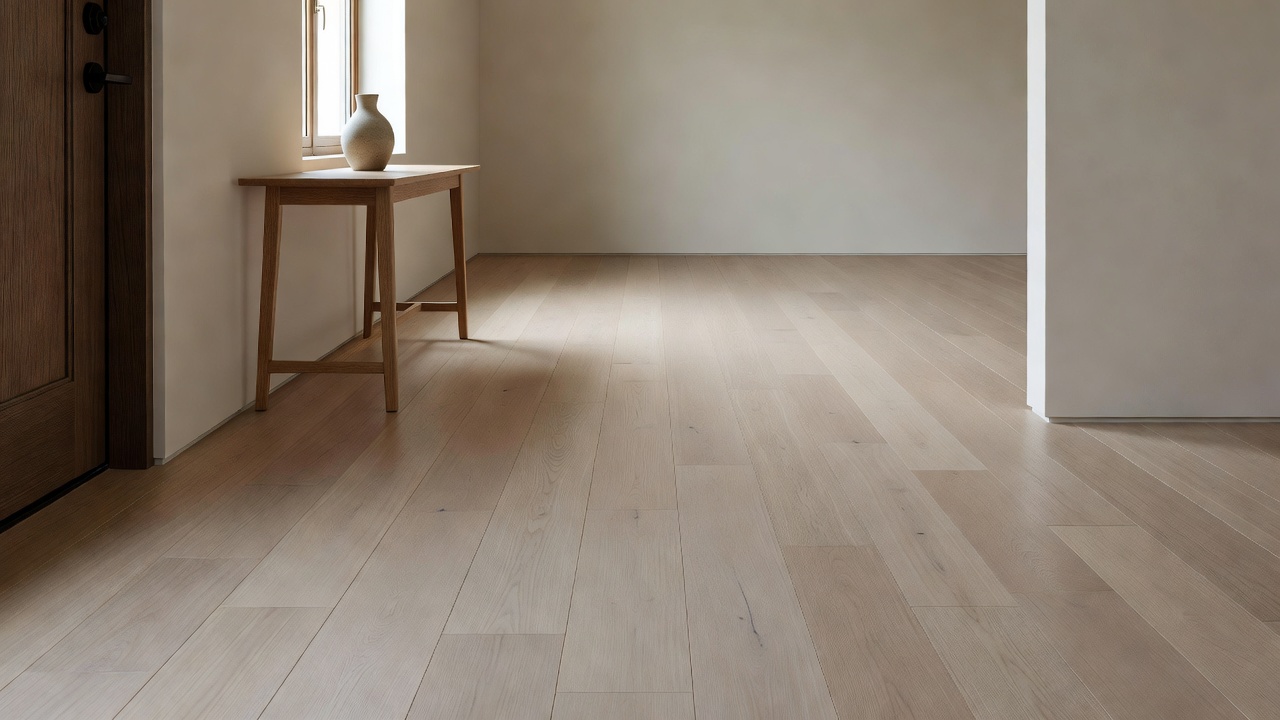
Entry, main living, kitchen, primary suite—in that emotional order. The foyer is the handshake. The living areas are the conversation. The kitchen is where people stand longest and judge hardest. The primary bedroom is the private fantasy. Secondary bedrooms and basement rec rooms can often be cleaned, area-rugged, or lightly refreshed if budget is finite. Continuity from the front door through the social spaces is what creates that I could live here exhale.
I still think about a brownstone I staged three winters ago. The parlor floors were original and tired; we only had budget for the first two floors. We refinished them to a soft oat tone and left the upper level alone under beautiful rugs. Buyers wrote offers talking about “the light and the calm.” They never mentioned the upstairs oak. The priority rooms had done the psychological work.
One vulnerable truth: I have walked into my own apartment after a long staging week, stared at a scuffed corner by the radiator, and felt the exact buyer fatigue I try to erase for clients. The floor is never just the floor.
FAQ
Does flooring really affect how quickly a property sells? Yes. Clean, neutral, consistent flooring improves first impressions and buyer confidence, which frequently shortens days on market. Damaged or dated floors create hesitation that staging alone rarely fully overcomes.
Is it better to replace flooring or improve existing floors before selling? Improve existing floors first through cleaning, refinishing, or repair unless the material is severely damaged or stylistically unsalvageable. Full replacement is a last resort for main living areas and should stay in warm neutral tones.
What type of flooring works best for property staging? Light-to-medium neutral hardwood or high-quality engineered hardwood with a matte finish performs best. Well-chosen luxury vinyl can substitute in moisture-prone zones if the tone and texture remain sophisticated and warm.
Which rooms should I prioritise for flooring updates when staging? Prioritize the entry, main living areas, kitchen, and primary suite. These spaces shape the emotional arc of the showing; secondary rooms can often be managed with cleaning and rugs.
What flooring colors work best for home staging? Warm neutrals—soft oak, greige, oat, pale honey, mushroom taupe—photograph cleanly and let buyers project their own style. Avoid high-contrast darks, cool blue-grays, and high-gloss finishes that date quickly or shrink the room.
The right floor does not decorate the room. It clears the stage so the life the buyer imagines can walk in and stay. When the light catches that pale oak just so, and the whole house suddenly feels like a held breath before a yes—what is the one room in your own home that still does not feel like you yet?