flooring first impressions buyers
How Flooring Affects Buyer Psychology & Offers
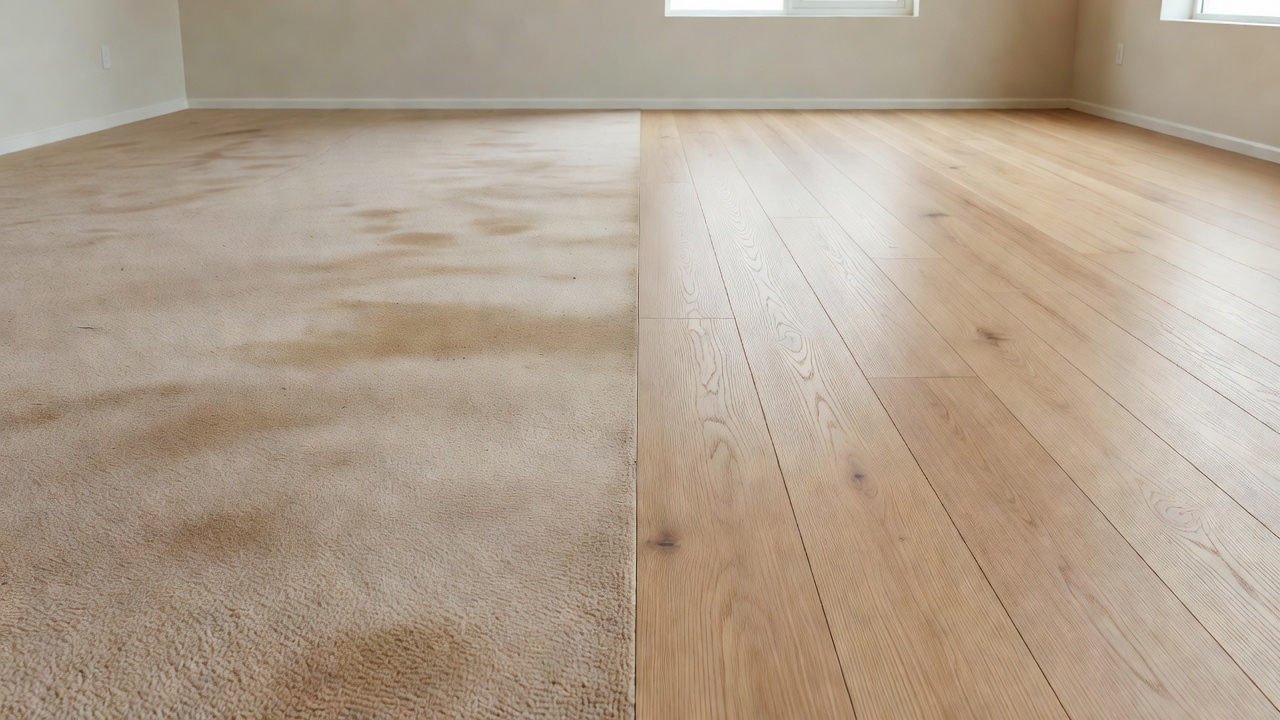
 The Marquez listing on Cedar sat 47 days. Same price, same school district, same kitchen remodel. The only change that moved it was the floors. We ripped the stained beige carpet in the entry and main living areas, laid mid-grade LVP, and it went under contract in nine days—for $11,500 over the prior highest offer that had walked.
That is how flooring affects buyer psychology: in the first 10 seconds underfoot, buyers decide whether the house is a home or a project, inflate the cost of “fixing it,” and either write a clean offer or start lowballing. Flooring buyer psychology is the subconscious process where buyers assign value, risk, and emotional readiness based on what they see and feel the moment they step inside—often before they notice the cabinets.
I do not care that you loved that carpet. Appraisers and buyers do not either.
How important is flooring when selling a house?
Critical. Not “nice to have.” Critical.
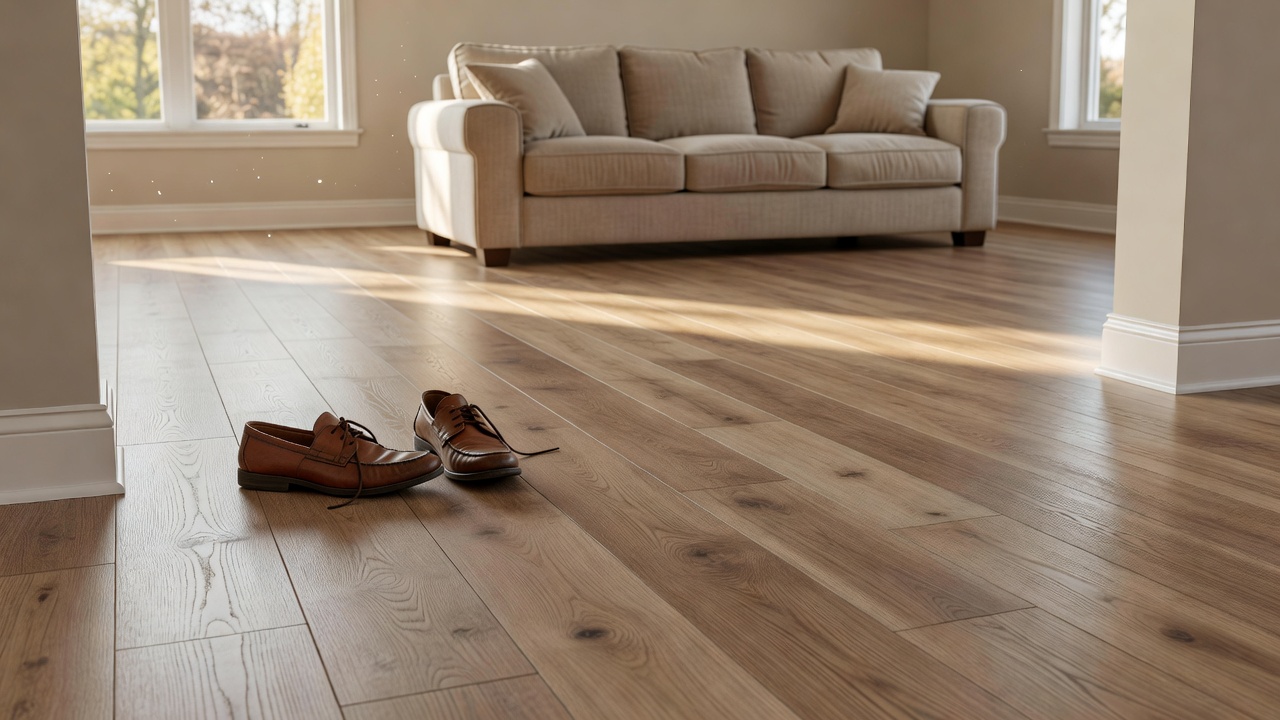
Buyers form a value judgment in the first 5–10 seconds. Floors are literally what they stand on while their brain runs the math. Damaged, dated, or clearly temporary flooring flips them from “I could live here” to “how much is this going to cost me?” That shift is where offers die or get chopped.
I have watched it in open houses. Couple walks in, smiles at the paint, then looks down. Shoulders drop. They start measuring rooms with their eyes like contractors. Conversation turns to “we’d have to budget for floors.” They leave without a second loop through the primary suite.
Data from the deals I have closed: homes with tired or damaged flooring in the entry and main living areas averaged 18–24 more days on market and landed 3–7% below comparable listings that read as move-in ready underfoot. That is not vibes. That is contracts.
Prioritize the path buyers actually walk: entry, living room, kitchen, hall to the primary. Bedrooms can wait if the budget is tight. Nobody writes an offer based on the guest room carpet unless the rest of the house already failed the 10-second test.
Does damaged or outdated flooring lower offers?
Yes. And buyers overestimate the fix by thousands.
Here is the ugly part of how flooring affects buyer psychology. A stained carpet or peeling laminate does not just look bad. It triggers cost inflation. Buyers do not pull up contractor bids on their phone in the foyer. They guess high, pad for “surprises,” and protect themselves with a lower offer or an inspection contingency that turns into a renegotiation.
I staged a ranch last spring where the seller insisted the “perfectly fine” 1998 oak-look laminate stayed. Two offers came in $14,000–$19,000 under list, both citing “flooring allowance needed.” We pulled it, installed quality LVP for about $6,800, relisted, and closed at $8,200 over the original list price. Net win after materials and labor: real money, fewer days, cleaner contract.
Outdated can be as expensive as damaged. Orange-toned builder-grade hardwood from 2004, high-gloss tile that screams 2009, carpet in the kitchen—any of it reads as “work.” Gorgeous does not always mean it appraises. I wish it did. Trend-forward floors that photograph like a magazine and confuse the appraiser help no one at the closing table.
If the floors are actively failing—buckling, soft spots, pet damage that smells—you are not negotiating style. You are negotiating risk. Fix it or price it like a project house and stop being surprised when the offers match.
What flooring do home buyers prefer for a move-in ready feel?
They prefer whatever does not make them open a calculator.
In practice that means:
- Refinished real hardwood in good shape — still the emotional gold standard. Buyers read it as quality and permanence. Refinishing done right routinely returns 100–147% ROI in my listings when the bones are solid. Light, current stain tones beat orange every time.
- Quality LVP in a believable wood look — the workhorse for resale. Waterproof, quiet enough, consistent. I see 70–85% ROI when you do not cheap out on the wear layer and you run it through the main living zones. Buyers touch it, nod, and move on. That is the goal.
- Large-format tile only where it belongs (bath, mudroom, sometimes kitchen) and only if the grout is not a science experiment. Elsewhere it can feel cold and commercial unless the rest of the house supports it.
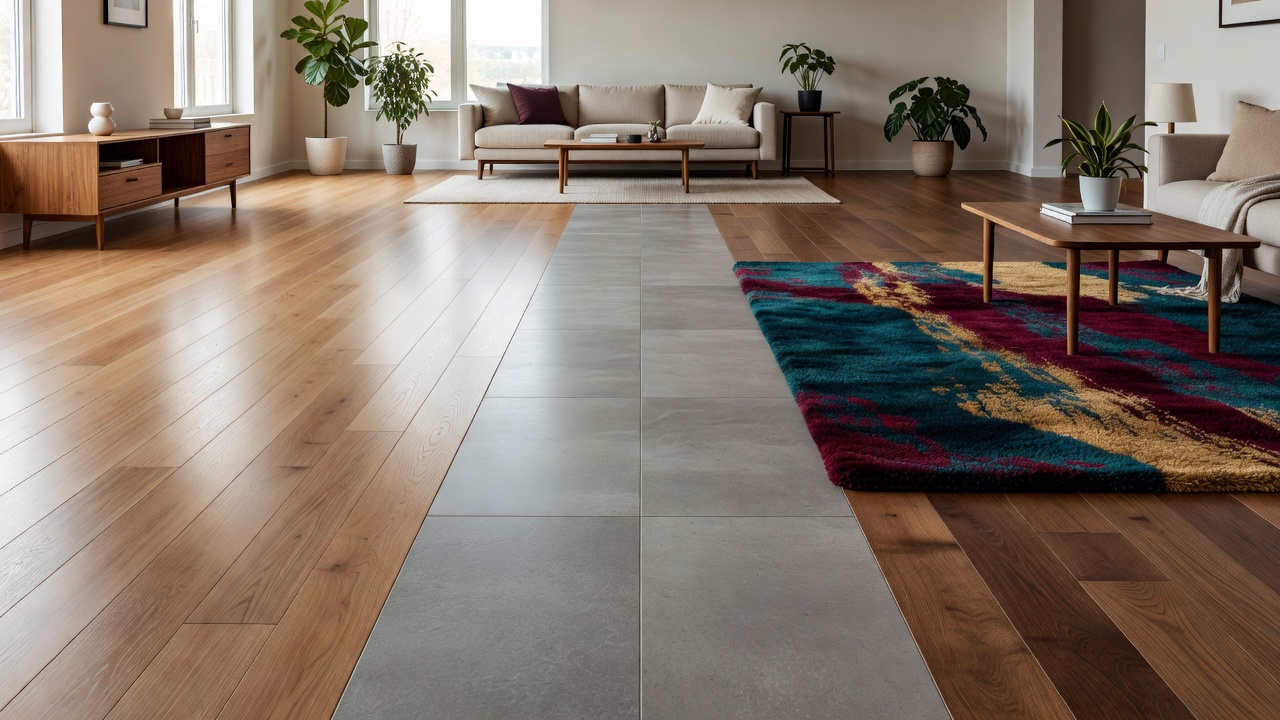
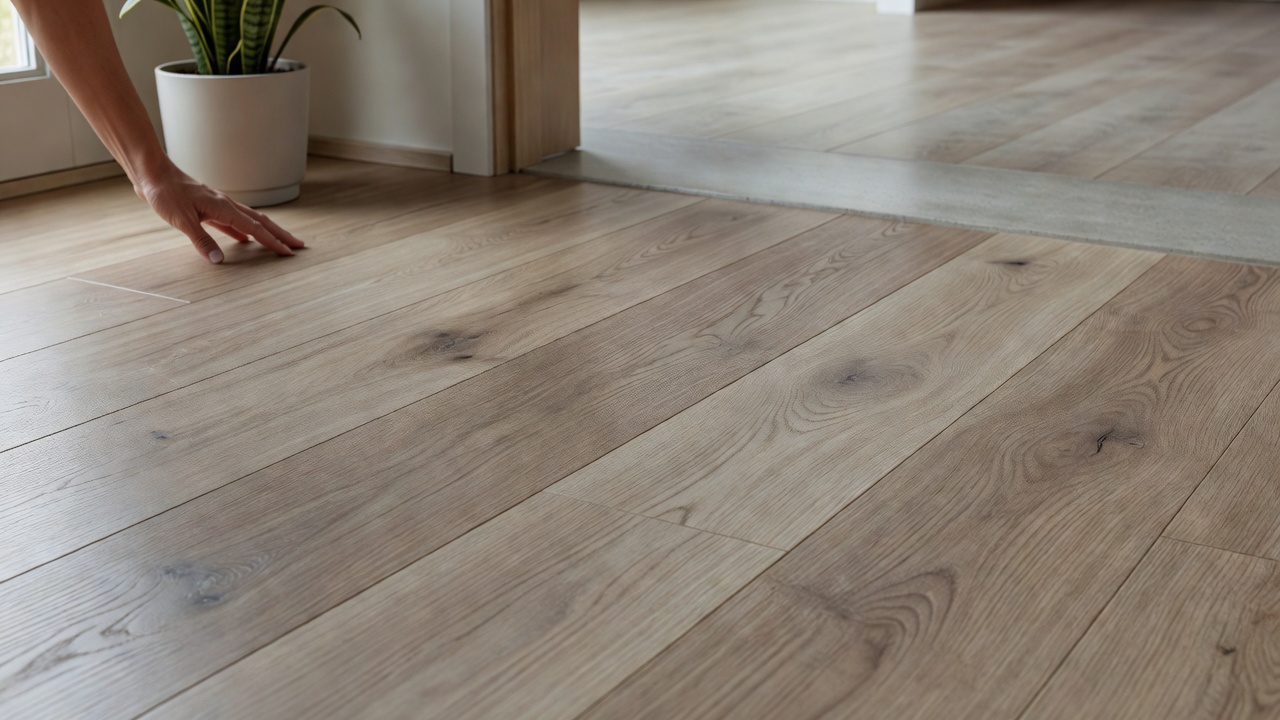
Move-in ready flooring psychology is simple: the surface should signal “I can unpack boxes this weekend,” not “I need three bids and a dumpster.” Continuity helps. Too many transitions (carpet to tile to laminate to something else every eight feet) makes the house feel chopped up and smaller. One coherent story underfoot keeps them in the emotional lane.
I am not here for the designer monologue about the perfect wide-plank European oak with a custom hardwax oil that only three people in the county can refinish. If it does not show clean, photograph clean, and appraise without a fight, it is a liability dressed as taste. [LINK: hardwood refinishing ROI] matters more than the mood board. Same with [LINK: best LVP for resale]—spec the wear layer and the attached pad like an adult, not like a showroom fantasy.
Skip the ultra-trendy gray that already looks dated in half my buyer feedback forms. Neutral, warm, mid-tone wood looks still win the most offers in the price bands I sell.
Does new flooring increase home value or just buyer appeal?
Both—but not equally, and not everywhere.
New flooring increases buyer appeal immediately. That is the 10-second effect. It reduces friction, shortens days on market, and raises the odds of multiple offers. Appraised value is slower and pickier. An appraiser will give you credit for condition and market-accepted materials; they will not pay you back dollar-for-dollar for a boutique install in a neighborhood of builder-grade homes.
Practical split I use with sellers:
- Entry + main living + kitchen: highest leverage for both appeal and comps support.
- Primary suite: strong secondary.
- Secondary bedrooms and basement: diminish returns fast unless the existing floor is offensive.
Spend where the psychology hits hardest. A $4,200 LVP swap in the right zones has added more to final offers in my deals than a full-house carpet stretch that still looked like rental stock. Numbers over nostalgia.
If you are not selling in the next 24 months, live with what you have and maintain it. If you are listing, stop treating floors like a personal shrine. They are a sales tool.
FAQ
How important is flooring when selling a house?
It is one of the first three things buyers judge, often before cabinetry or paint. Bad or dated floors lengthen market time and invite low offers; move-in ready floors tighten the timeline and protect price. Everything else is commentary.
Does new flooring increase home value or just buyer appeal?
It boosts buyer appeal immediately and supports appraised value when the material matches the neighborhood. You rarely get 100% of cost back in the appraisal line, but you frequently get it back in a higher contract price and fewer concessions.
What flooring do home buyers prefer for a move-in ready feel?
Refinished hardwood or quality wood-look LVP in neutral mid-tones through the main living areas. Buyers want continuity and a surface that does not scream “replace me.” That is the preference that shows up in offer behavior, not in Pinterest saves.
Does damaged or outdated flooring lower offers?
Yes. Buyers overestimate replacement cost and either walk or bid defensively. Fixing the high-visibility zones before listing is almost always cheaper than the discount they will take at the table.
Should I replace flooring in every room before listing?
No. Hit entry, living, kitchen, and the path to the primary first. Secondary spaces only if they are actively hurting the tour. Budget is a strategy, not a moral failing.
You now know the triggers: cost inflation, quality signaling, home-versus-project emotion. Map them to the rooms buyers actually stand in, spend where the ROI math is real, and stop arguing with the market about your favorite rug.
Selling in the next two years or just living your life? Because the answer changes everything I just said.