Can LVP Fool Hardwood Snobs? 2026 Sole Test
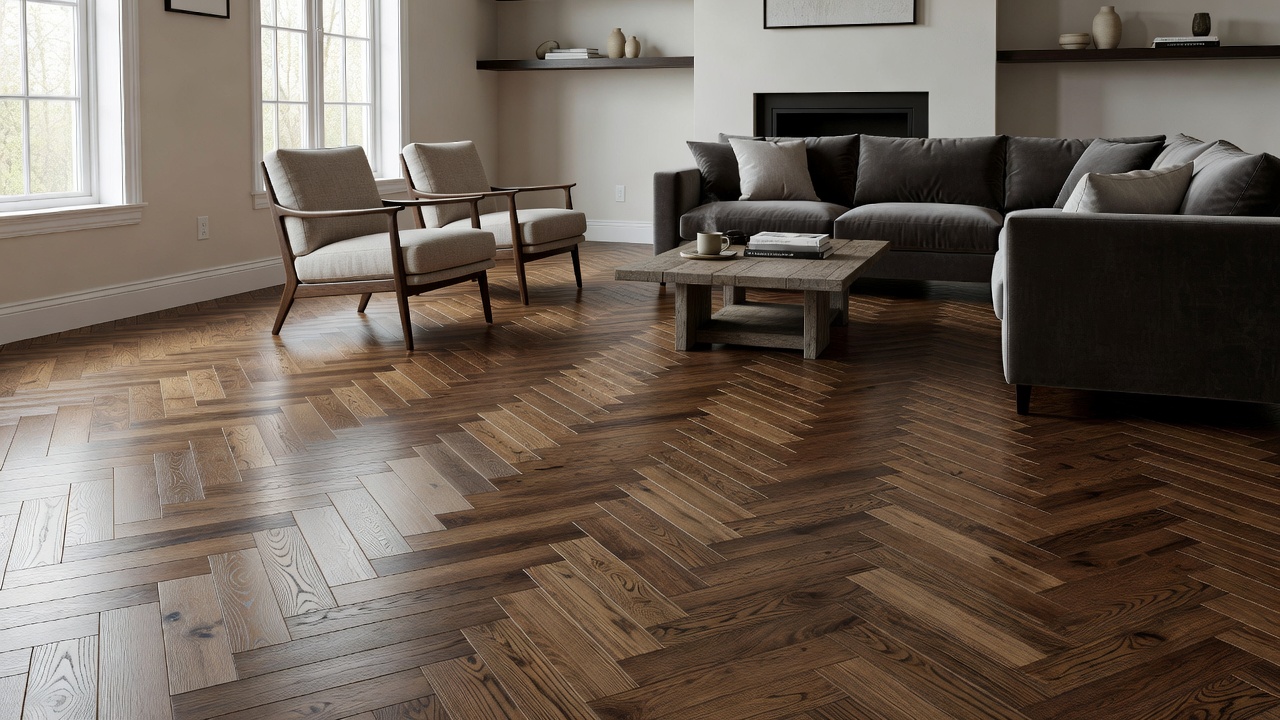 One does not simply walk on a candidate for hardwood deception. One interrogates it with the sole. Can LVP fool hardwood snobs in 2026? After a blind sole-tasting across three flagship showrooms and one regrettably fluorescent Lumber Liquidators, the verdict arrives with quiet finality: yes—for the neighborhood inspector and the dinner-party guest who merely glances. Advanced embossed-in-register luxury vinyl plank now deceives the casual eye and the untrained foot. A true connoisseur’s arch, however, still detects the synthetic soul within four measured paces. Luxury vinyl plank is a multi-layer resilient flooring product that pairs a high-resolution photographic wood image with a textured wear layer and rigid core, engineered expressly to imitate the grain, gloss, and underfoot presence of hardwood while remaining waterproof and far less ruinous to install.
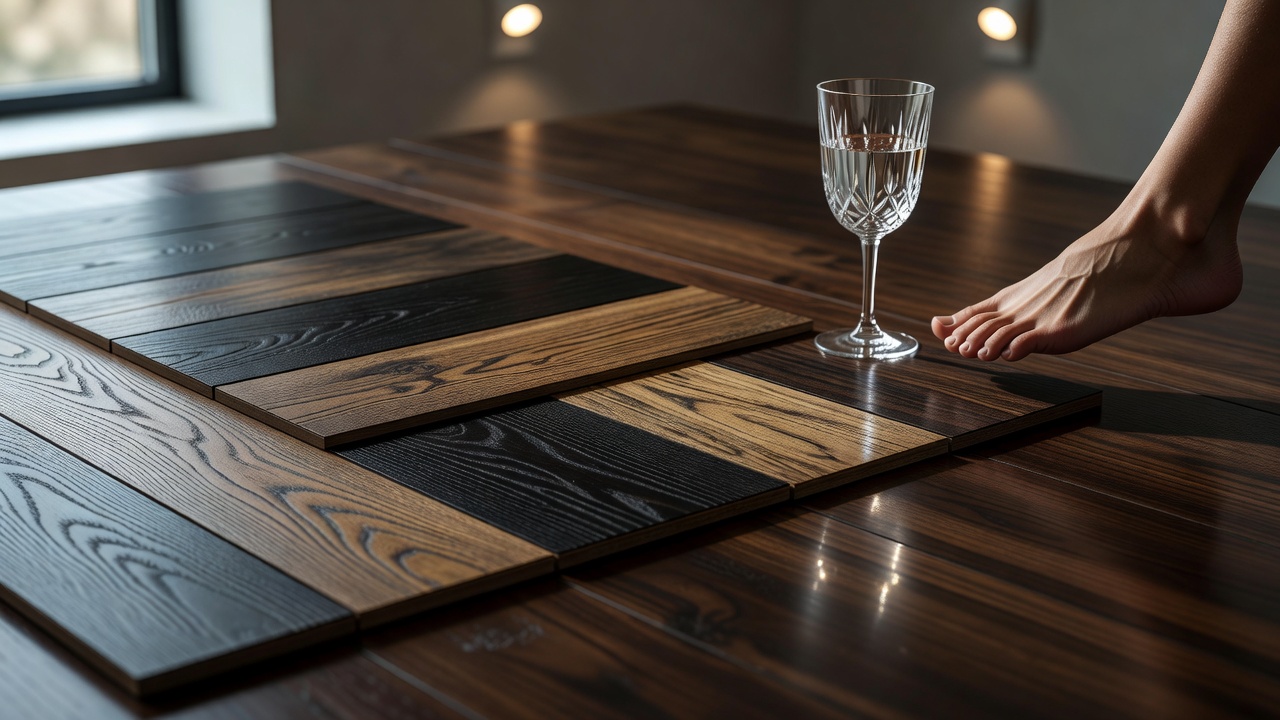
I conducted the examination as any serious critic must: barefoot first (for temperature and micro-flex), then in thin dress socks, finally in the same scuffed loafers I wore to that ghastly gallery opening on the Lower East Side last spring. The planks under consideration ranged from mid-tier rigid-core offerings at roughly $5–9 per square foot material to the flagship “heirloom” collections pushing $12–14 before installation—still a fraction of solid hardwood’s $14–34 installed reality. Waterproofing remains absolute; pets and children leave no lasting scar. Refinishability, of course, is nonexistent. That is the first fracture line a snob will press.
Can you tell the difference between LVP and real hardwood?
Under gallery lighting the answer is frequently no. Embossed-in-register technology has matured to the point that the bevels align with the printed grain, the matte urethane topcoat refuses the cheap plastic sheen of earlier decades, and the core’s density transmits a muted thud rather than the hollow clack of yesterday’s peel-and-stick tragedies. I watched a couple in matching monogrammed vests circle a display of European white oak lookalikes for eleven full minutes before the salesman confessed the material. Their faces performed the five stages of material grief. Yet when I closed my eyes and rolled my weight from heel to ball, the truth announced itself: real hardwood offers a living micro-give, a faint seasonal conversation with the subfloor. LVP remains politely mute, engineered into permanent composure. The difference is not visual theater; it is somatic.
One must also account for the showroom’s cruel flattery. Every board is perfectly acclimated, perfectly lit, perfectly free of the scuff a real life will inflict by Thursday. I have seen the same planks installed in actual residences—my cousin’s rental in Jersey, if we must be vulgar—and the illusion holds longer than the budget-conscious flooring content creators would have you believe. Those cheerful minimalists who film themselves “settling” for waterproof convenience while pronouncing hardwood “outdated prestige” have never once paid a contractor’s invoice with their own card. I digress.
Does LVP look fake to snobs?
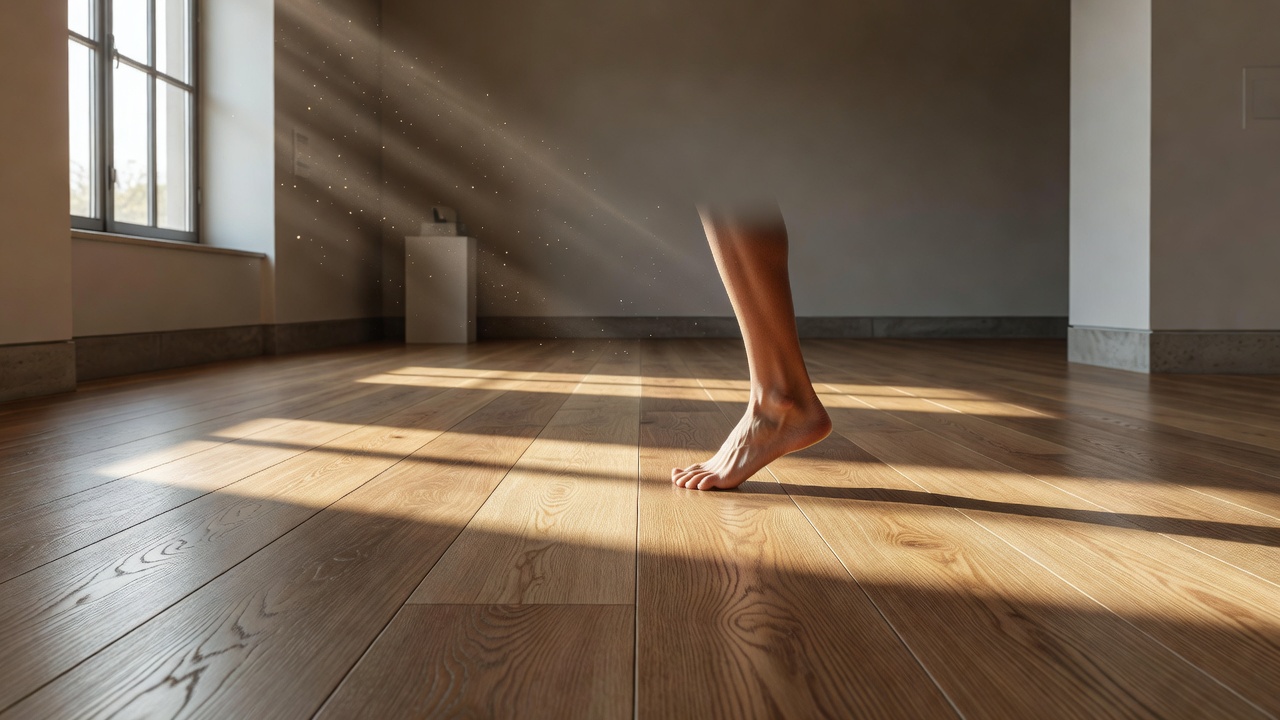
To the dedicated hardwood snob—the sort who can identify quarter-sawn white oak by the angle of the medullary ray alone—yes, eventually. The giveaway is rarely the photograph itself. It is the relentless uniformity of the pattern repeat, the way six planks in a row refuse the charming irregularity of true trees, and the slight thermal neutrality underfoot even after an afternoon of southern exposure. Hardwood snobbery flooring discourse has always been less about appearance than about provenance and mortality. Real wood scars, fades, and eventually demands sanding; it participates in the household’s biography. LVP endures, immaculate and slightly contemptuous of narrative.
Still, the 2026 crop is dangerously close. I awarded the top rigid-core contender a solemn 8.2 Insoles out of 10 for optical fidelity and a more tempered 6.4 Insoles for soul transmission. Neighborhood snobs—those who judge from the doorway during the annual block progressive dinner—will be fooled nine times out of ten. They will compliment the “wide-plank hickory” while balancing a plate of mediocre cheese. That is sufficient victory for most households.
Is hardwood flooring worth it over LVP?
Only if one values the long game of refinishing, the resale premium that still hovers near 118 percent ROI in certain ZIP codes, and the private knowledge that one’s floors once photosynthesized. For the rest of us who entertain dogs, toddlers, or the occasional catastrophic red-wine evening, LVP’s waterproof core and replaceable planks constitute a form of quiet wisdom. I have walked enough [LINK: engineered hardwood vs solid hardwood] installations to know that even “real” wood is frequently a layered compromise these days. The purity contest was lost years ago; we are merely negotiating the terms of the armistice. Those seeking the deeper durability calculus may consult my earlier notes on [LINK: LVP waterproofing performance in wet rooms].
Tasting Notes: 2026 Flagship Rigid-Core Oak
- On the nose: faint factory urethane and the ghost of a clean room; no tannin, no forest floor.
- Visual attack: convincing cathedral grain, properly randomized knots, matte finish that refuses spotlight glare.
- Mid-palate (underfoot): firm, composed, almost architectural; temperature remains politely indifferent.
- Finish: short; the memory of wood without the lingering conversation.
- Overall impression: a very good California Cabernet that somehow never saw a barrel. Impressive engineering. Spiritually polite.
I performed the final blind test in my own one-bedroom walk-up, the same planks laid temporarily over the landlord’s tired oak. Guests who had never been told the secret crossed the room without comment. My own arch, traitorously educated, registered the difference by the third step. That is the current state of play.
FAQ
Can vinyl planks fool neighborhood snobs?
Yes. In 2026 the better rigid-core LVP products consistently pass casual visual and doorway inspection. Only prolonged barefoot contact or a trained eye for pattern repeat tends to expose them.
Does LVP look fake?
Not at conversational distance or under ordinary residential lighting. Up close and under critical side-light, the perfect pattern repeat and lack of natural variation can still read as manufactured to a discerning observer.
Is hardwood flooring worth it over LVP?
Hardwood remains worth it for refinishability, long-term prestige, and resale in certain markets. LVP wins on waterproofing, cost ($5–14 vs $14–34 installed), and forgiveness toward pets and children.
Can you tell the difference between LVP and real hardwood?
Visually, often no. Underfoot, a practiced sole usually can within a few steps due to flex, temperature response, and acoustic feedback.
What is the biggest tell that it’s LVP?
Uniform thermal neutrality and the absence of the minute seasonal movement and micro-creak that living wood continues to offer years after installation.
And so the judgment is rendered: modern luxury vinyl plank has earned its place at the lower end of the connoisseur’s table. It will not replace the deep, resonant pleasure of a properly maintained solid oak floor, yet it no longer embarrasses the room. I shall continue to champion the real article for those who can bear its demands—while quietly admitting that the LVP sample boards are still leaning against my radiator because the elevator in this building has been broken since Tuesday and I am not carrying seventy pounds of hardwood up four flights.