vinyl flooring wear layer mils
LVP Wear Layer Thickness: What Mils Really Mean
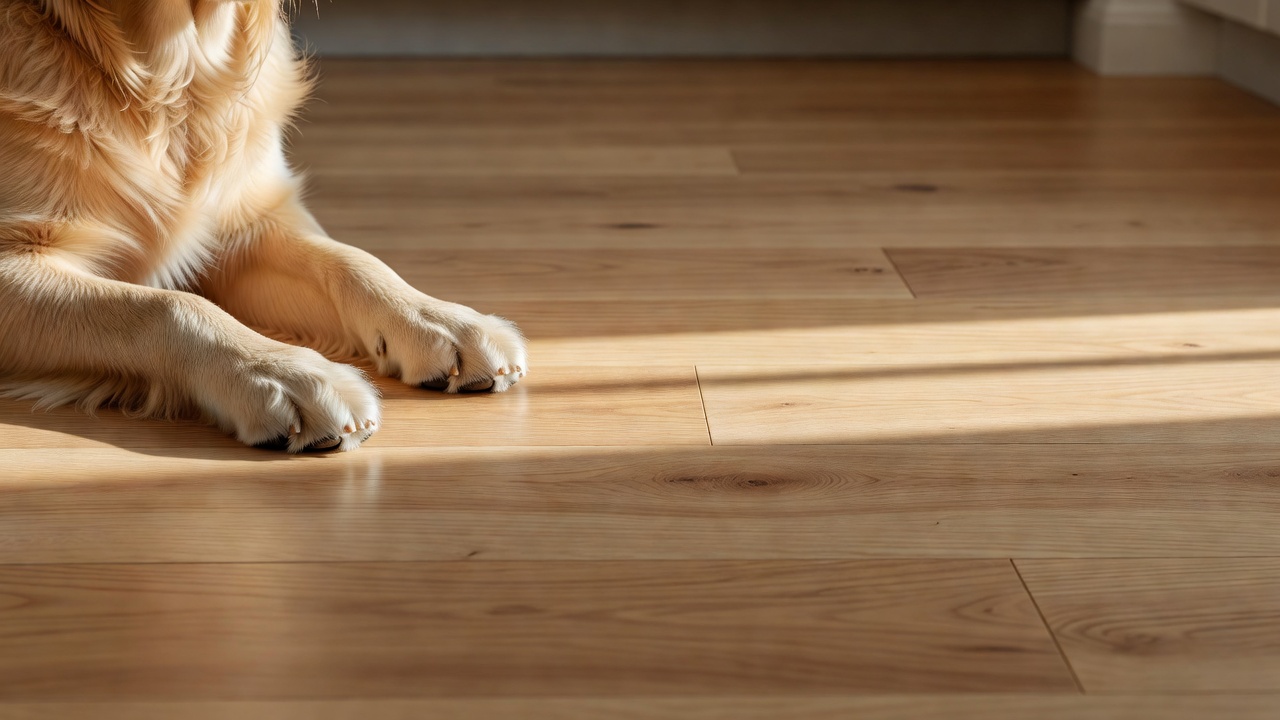
 Last Tuesday my neighbor’s golden retriever skidded across her brand-new living-room LVP like it was an ice rink, nails clicking. She panicked. I got excited. Because what actually decides whether those claws leave a permanent souvenir isn’t the pretty wood-look print or even how thick the whole plank feels underfoot—it’s a nearly invisible clear coat measured in mils.
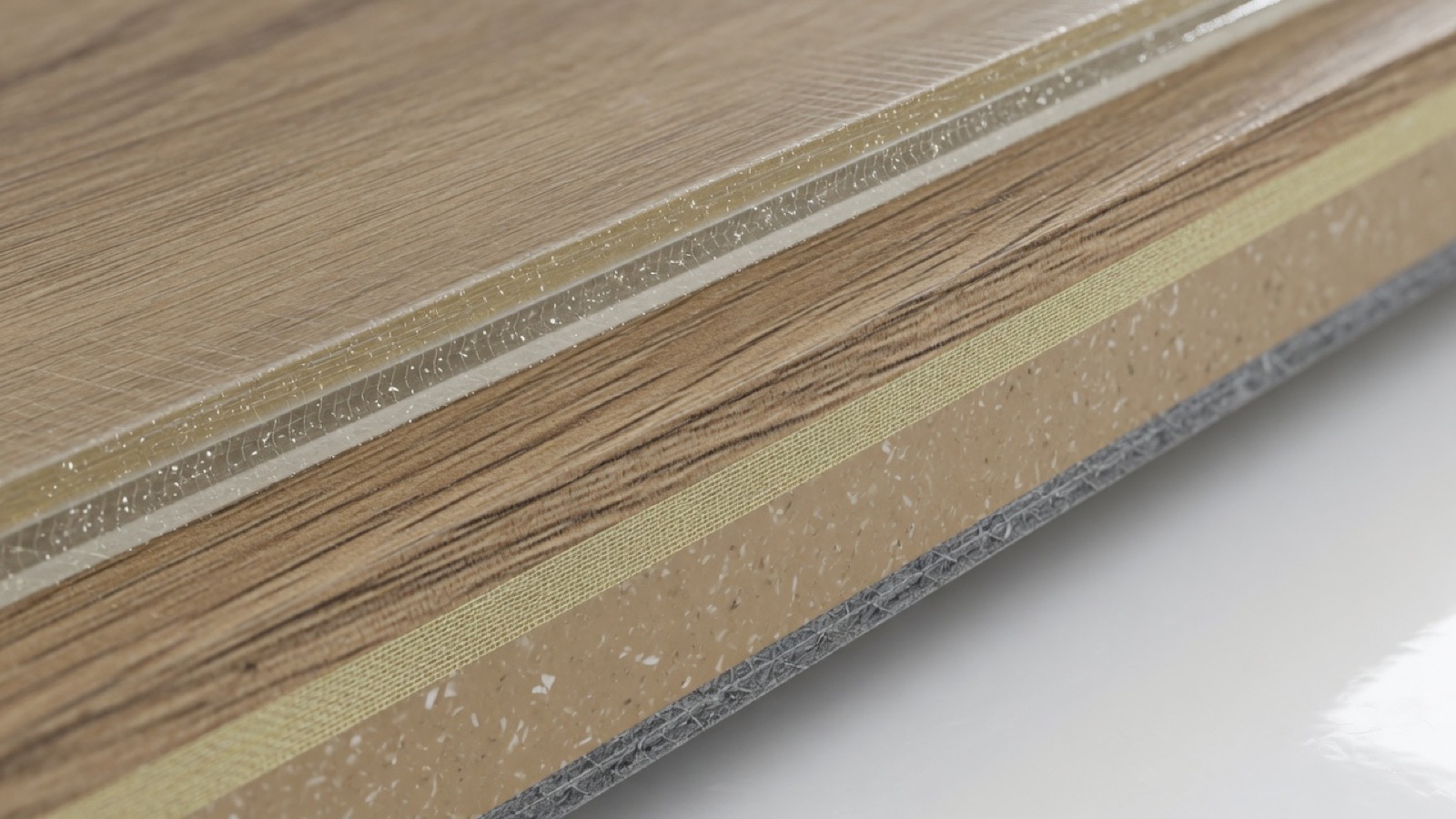
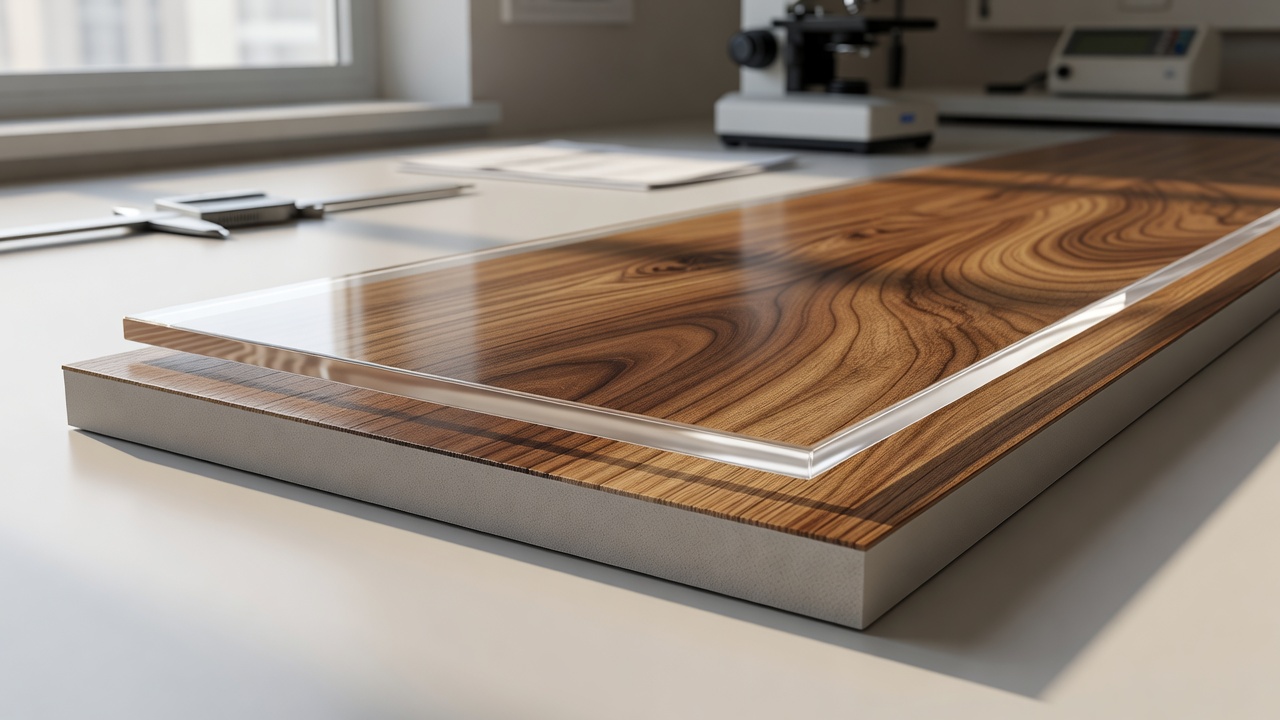
LVP wear layer thickness is the transparent protective topcoat (usually urethane-fortified PVC or a similar polymer blend) on luxury vinyl plank, measured in thousandths of an inch, that absorbs abrasion, scratches, and UV before the decorative film ever sees daylight. For most residential rooms you want at least 12 mil; pets, kids, and high-traffic zones push toward 20 mil and up. Thicker helps—until the chemistry underneath fails first. That’s the short version. The fun part is what happens when you zoom in.
How important is the wear layer on vinyl plank flooring?
Extremely—more important than the marketing photo of the oak grain, and often more predictive of real-world life than the overall plank millimeter rating people obsess over at the big-box store. The wear layer is the only thing standing between daily life and the printed décor layer. Once it’s compromised, you don’t get a graceful patina; you get dull trails, whitening, and eventually the pattern itself starting to shred.
Okay, this is the part where I get a little too into it—feel free to skim if polymer chains make your eyes glaze. At the microscopic level, a wear layer isn’t a magic force field. It’s a network of long-chain polymers (think microscopic spaghetti) that have been cross-linked—chemically tied together—so they resist being torn apart. Many premium coatings also carry aluminum oxide or ceramic microspheres suspended in that matrix. Those particles act like tiny armor plates. When a dog nail or a chair leg drags across the surface, you’re not “scratching plastic” so much as you are:
- Plowing a micro-groove through the uppermost polymer skin
- Fracturing or dislodging the hard particles if the load is high enough
- Generating localized heat that can soften thermoplastic regions
- Opening pathways for UV and household cleaners to attack the remaining chains
- Eventually exposing the printed film once enough mils have been abraded away
That’s lab-speak for “your dog can destroy this and it’ll probably survive—if the cross-link density and particle loading were done right.” Thickness in mils simply tells you how much sacrificial material you have before step 5. It does not tell you how tightly those chains are tied or how evenly the armor is distributed. I’ve seen thin, well-formulated commercial wear layers outlast thicker, softer residential ones. (Sorry. I know that’s a lot. I just think it’s really cool.)
What does 12 mil vs 20 mil wear layer mean for durability?
A mil is one-thousandth of an inch—0.001". So 12 mil is 0.012" of clear coat; 20 mil is 0.020". In practical terms:
- 6–8 mil: light-traffic bedrooms, guest rooms, closet floors. Fine if the only abrasion is sock feet and the occasional suitcase.
- 12 mil: the residential workhorse. Kitchens, living rooms, hallways in normal households. This is where most good [LINK: mid-range LVP brands] land.
- 20 mil and above: pets with real nails, multi-kid chaos, entryways that see grit, light commercial. Warranties often jump here because the manufacturer has more sacrificial polymer to burn through.
The jump from 12 to 20 mil is not linear “67% more life.” Abrasion is path-dependent. Once micro-scratches start linking up into a dull network, light scatters differently and the floor looks worn even if plenty of mils remain. A denser 12 mil coating with heavy aluminum-oxide loading can look better longer than a soft 20 mil coat that has already haze-scratched. Still, if you are choosing between two otherwise identical planks and you have a shepherd who thinks hardwood is a launchpad, take the 20 mil. More material buys you time.
Also worth noting: AC ratings (the abrasion class system borrowed from laminate) and mil thickness are related but not identical. AC is a Taber-abraser test result—weighted wheels spinning until the décor shows through. Mils are a physical measurement. A floor can advertise 20 mil and still underperform a 12 mil that was formulated and tested harder. Read both when you can.
Is wear layer thickness more important than overall plank thickness?
Yes—for surface durability. Overall thickness (the 4 mm, 5 mm, 6 mm, 8 mm number on the box) is mostly about the rigid core or the flexible vinyl body plus any attached underlayment. That number governs how the plank feels underfoot, how well it bridges minor subfloor imperfections, and how stable it stays with temperature swings. It does almost nothing to stop a grit particle from grinding into the décor layer.
You can have a chunky 8 mm rigid-core plank with a sad 6 mil wear layer and it will still scuff in a year of real life. Conversely, a well-made 4.5 mm plank with a 20 mil commercial-grade wear layer can look pristine in a busy kitchen for a decade. They solve different problems. If your subfloor is imperfect, care about overall thickness and the [LINK: rigid core vs flexible vinyl] construction. If your life involves claws, chair legs, and tracked-in sand, care about LVP wear layer thickness first.
One more materials nerd caveat: thicker wear layers can sometimes make a plank slightly more brittle at the click edges if the formulation isn’t balanced, because you’re adding a harder, more cross-linked skin on top of a more flexible core. Good manufacturers account for that. Cheap ones occasionally don’t—which is why a warranty that actually covers wear-through (not just “manufacturing defects”) is worth reading in the actual PDF, not the hangtag.
How thick should a wear layer be for residential LVP?
Match the mils to the abuse, not the room name on the floor plan:
- Sleeping spaces, low traffic: 12 mil is comfortable; 8 mil is acceptable if budget is tight and you’re gentle.
- Main living, dining, kitchen: 12 mil minimum; 20 mil if you cook like you mean it or host constantly.
- Entries, mudrooms, anything open to the yard: 20 mil. Grit is the real enemy—harder than most dog nails.
- Homes with large dogs, multiple kids, or anyone who refuses to use chair pads: start at 20 mil and look for aluminum-oxide or ceramic-enhanced coatings in the fine print.
Commercial 28–40 mil products exist and will absolutely work in a house; you’re mostly paying for a margin of safety you may never need. For the vast majority of residences, the decision collapses to 12 versus 20, and the honest answer is “how honest are you about your household’s chaos level?”
FAQ
How thick should a wear layer be for residential LVP?
Most homes do well with 12 mil in living areas and 20 mil in high-traffic or pet zones. Bedrooms can drop to 8–12 mil if traffic is truly light. Choose based on actual abrasion, not room labels.
Is wear layer thickness more important than overall plank thickness?
For scratch and scuff resistance, yes. Overall millimeters affect feel, stability, and subfloor forgiveness; mils protect the visible surface. Prioritize the wear layer when durability is the worry.
What does 12 mil vs 20 mil wear layer mean for durability?
Twenty mil simply gives you more sacrificial clear coat before the printed layer is exposed. Real-world life also depends on how hard and well-cross-linked that coat is, so a quality 12 mil can still beat a soft 20 mil—but all else equal, thicker lasts longer under abuse.
How important is the wear layer on vinyl plank flooring?
It is the primary defense against abrasion, stains, and UV. Once it fails, the décor layer is next, and the floor’s appearance declines quickly. Everything else is secondary to surface survival.
Does a thicker wear layer always mean better scratch resistance?
No. Thickness buys volume; formulation buys hardness and toughness. Look for urethane topcoats with aluminum oxide or ceramic particles and a warranty that explicitly covers wear-through, not thickness alone.
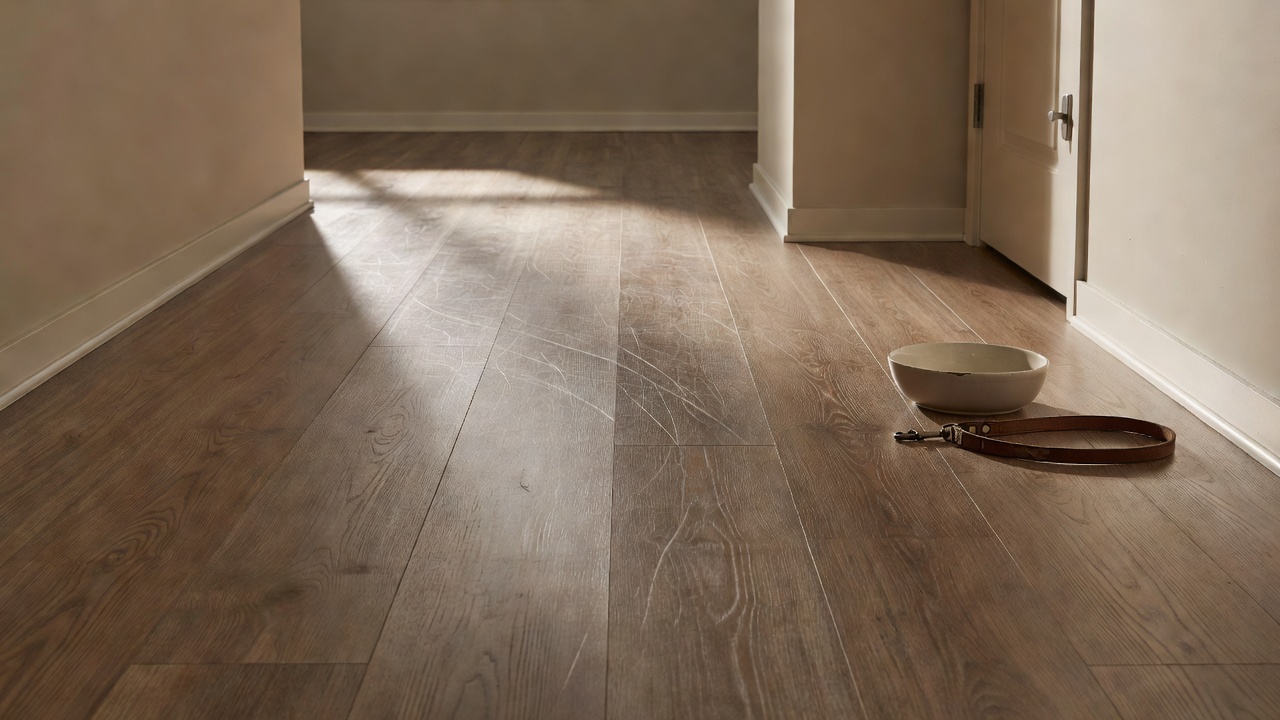
I’ve started noticing the faint traffic lanes in my own hallway late in the afternoon sun—the way light catches micro-texture you can’t feel with a fingertip. Once you know the wear layer is a finite, abradable polymer skin instead of an immortal shield, those little optical changes stop looking like “the floor is ruined” and start looking like materials doing exactly what materials do. Next time your dog launches across the kitchen, you can panic or you can quietly admire the cross-linking. I know which one I’ll be doing.