should i replace flooring before selling
Best Flooring for Home Staging: Colors & Tips That Sell
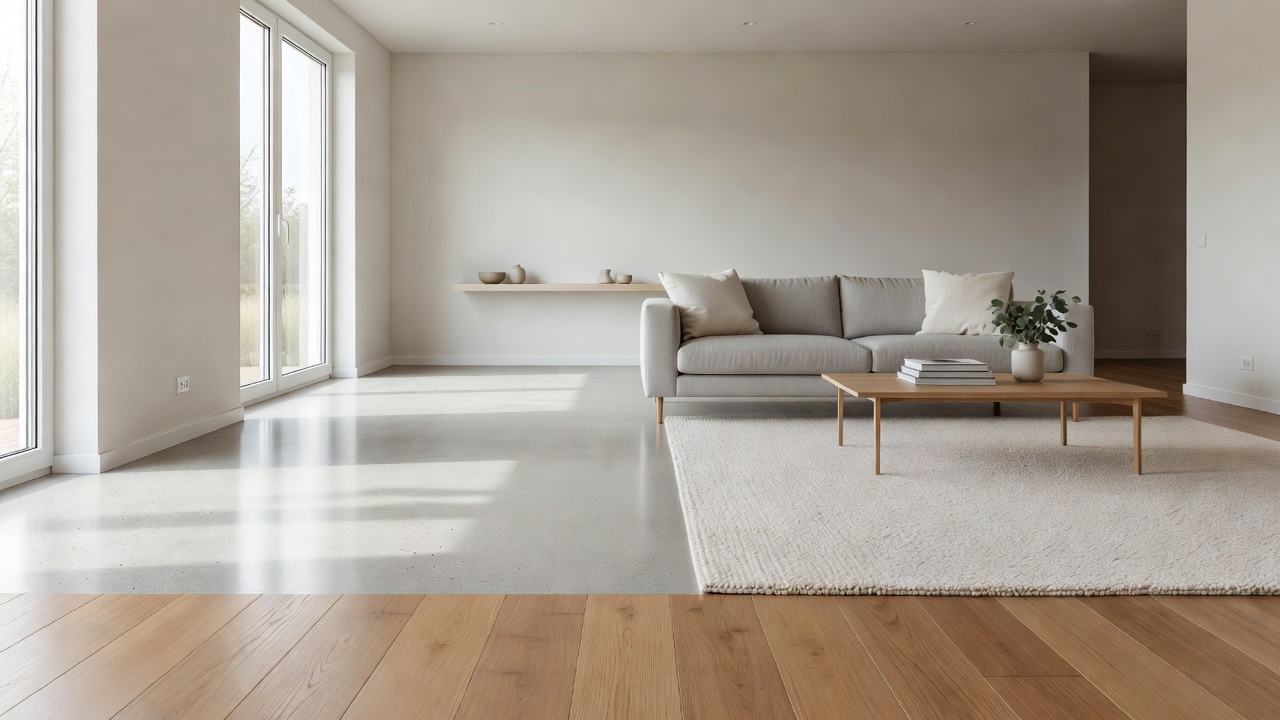 The light hits the living room at 4:17 p.m. like someone draped champagne silk over every surface. Walls are soft greige, the sofa is a quiet oatmeal linen, and the entire room is holding its breath waiting for a buyer to walk in and feel something. That something starts at the floor. The best flooring for home staging is a light-to-mid neutral hardwood or wide-plank LVP in a low-to-medium sheen that disappears into the buyer’s fantasy instead of arguing with it—warm oak, soft taupe, gentle greige, nothing shouting for attention, everything whispering you already live here.
Best flooring for home staging is the quiet visual foundation that lets every other design choice land: color, grain, texture, and finish chosen so the eye glides and the heart invents a future. Not the flashiest material. The one that sells the story.
I once staged a 1920s bungalow where the original heart pine had gone the color of old tea. We sanded it back just enough, kept the soft matte, and the entire house exhaled. The buyers wrote a letter about “the way the light moved across the floors.” They never mentioned the new quartz. Of course they didn’t.
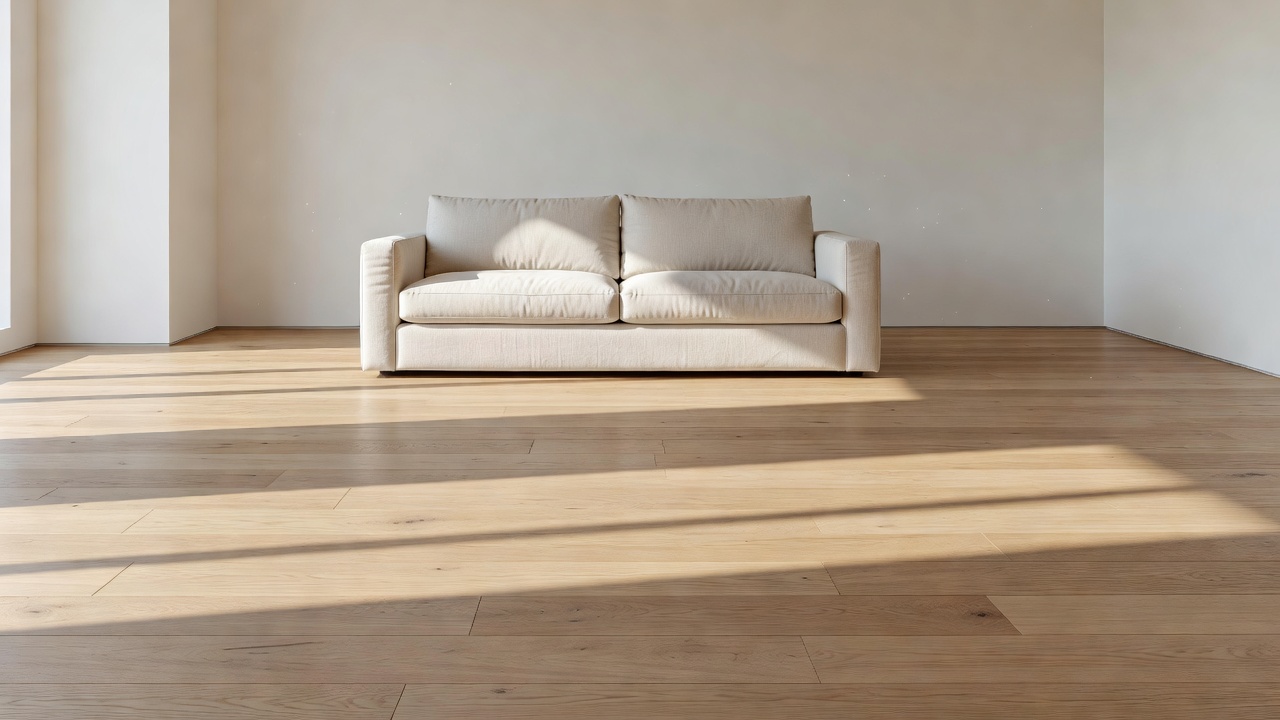
What type of flooring works best for home staging?
Wide planks. Warm light-to-mid neutrals. Low-to-medium sheen. That is the current emotional weather, and I am living in it without apology.
Think white oak in a natural or soft wire-brushed finish, European white oak in a pale taupe, or a high-quality luxury vinyl plank that mimics the same mood without the price spike. Matte or satin—never high-gloss, which photographs like a skating rink and makes every scuff look like a confession. The grain should be present but polite. Character marks are allowed if they feel intentional, not apologetic.
I still remember a client who insisted on dark espresso floors in 2019 because “they look expensive.” They looked like a closed casket. We lightened them two years later and the house sold in nine days. Yes, I know, grey floors had their moment and some of you are still traumatized—let me have this—but the 2025-26 palette has shifted warmer. Honeyed blondes, oatmeal taupes, soft mushroom. Floors that feel like cashmere under bare feet even when you’re only looking at a listing photo.
Here is the mood board in words I keep pinned above my desk for every staging job:
- sun-warmed oak honey
- fog-soft greige matte
- linen-texture wire brush
- quiet taupe with just enough grain
- champagne sheen that never glares
- barefoot Sunday morning energy
Material texture matters more than most people admit. A slightly open grain catches light differently than a glassy polyurethane slab. Buyers don’t name it. They just stay longer in the room. For kitchens and baths, a waterproof LVP in the same family keeps the visual flow unbroken so the eye never trips. [LINK: luxury vinyl plank staging guide] has saved more open-concept listings than I can count.
The install people will tell me I’m overthinking sheen levels and that “any clean hardwood is fine.” They’re half right about clean. They’re wrong about the rest. A floor that feels emotionally cold will cost you more in days on market than the price of a proper refinish.
Should I replace my flooring before selling?
Almost never—unless it is actively damaged, stained beyond redemption, or so dated it stops the fantasy cold (looking at you, orange builder-grade oak from 1998 and high-gloss cherry that screams early-2000s McMansion).
Refinish first. Always. A professional sand-and-refinish in a current neutral tone costs a fraction of full replacement and delivers 80 percent of the visual lift. I have watched $4,200 refinishing jobs add five-figure perceived value simply by changing the emotional temperature of the rooms. If the subfloor is sound and the species is decent, you stage around what you have. Pull every rug. Let the continuous run of flooring do the heavy lifting of making the square footage feel larger and calmer.
Replacement makes sense only when:
- moisture damage or pet destruction has compromised the structure
- you’re dealing with carpet that has absorbed a decade of life and cannot be cleaned back to neutral
- the existing material is a jarring mix of three different eras that no amount of staging can unify
Even then, you do not need the most expensive option. A mid-grade wide-plank LVP in a warm neutral often outperforms brand-new exotic hardwood that feels precious and cold. Buyers want to imagine themselves living, not preserving a museum. I once replaced only the entry and main living zones in a tired ranch, left the bedrooms in freshly cleaned original oak, and the continuity was enough. The offer came in over asking with a note about “how open and light everything felt.”
Does flooring really affect how quickly a home sells? Yes. Not because buyers walk around with calipers measuring plank width, but because flooring is the largest continuous surface in the house. It sets the baseline mood before anyone notices the light fixtures. Dark, high-contrast, or heavily patterned floors make rooms feel smaller and more finished—harder for a buyer to project their own life onto. Neutral, continuous, softly finished floors do the opposite: they become a blank emotional canvas. Staging data and my own obsessive tracking of listing photos show that homes with updated neutral flooring photograph better, hold attention longer online, and convert more showings into offers. It is not magic. It is visual psychology wearing work boots.
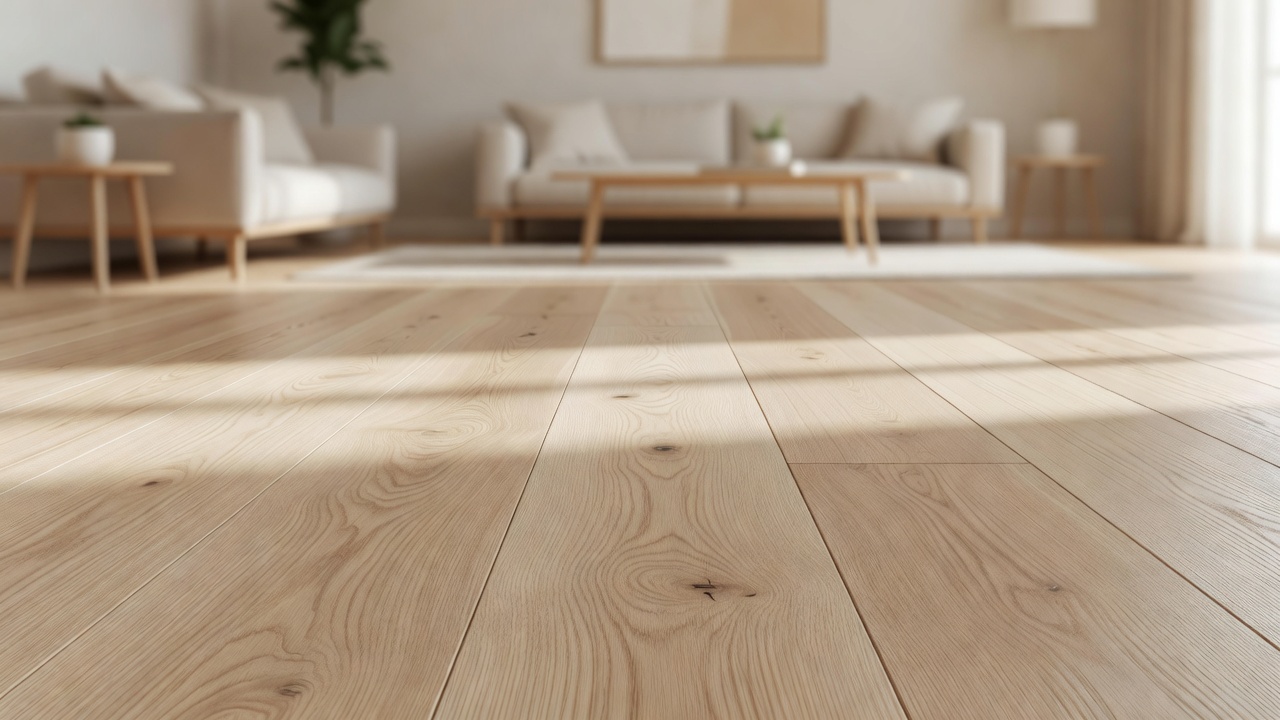
Can staging help if my floors aren't perfect?
God, yes. This is where the aesthetic autopsy gets tender.
Imperfect floors are not a death sentence; they are a design brief. If the finish is tired but the color is already in the right family, a deep clean, strategic area rugs in high-traffic zones (then remove them for photos if the floor itself is the star), and layered lighting can shift the entire feeling. I staged a house last spring whose oak floors had decades of honest wear. We did not have budget to refinish. Instead we leaned into the patina—kept everything else ruthlessly calm, used low furniture that revealed long runs of floor, and let the afternoon light do its soft work. The buyers called the floors “soulful.” I nearly cried in the car afterward because I had been so afraid the scuffs would kill it.
The vulnerable truth: I still think about a herringbone floor I specified three years ago that a client hated after install because it felt “too designed.” She was right. For staging, too much pattern or too much personality can box the buyer out of their own daydream. Restraint is the real luxury.
When floors have visible flaws you cannot fix, stage the mood around them. Keep walls quiet. Choose furniture legs that lift and reveal. Use one beautiful runner only where the damage is worst, and make sure the rest of the house shows continuous flooring so the eye remembers flow, not fracture. [LINK: home staging checklist for imperfect rooms] walks through exactly how I prioritize when the budget is cruel.
Home staging floor finishes that sell right now favor matte and ultra-matte over anything that reflects the ceiling fan. Flooring colors that sell homes in this cycle are the ones that feel like natural light already lives inside them—warm whites, soft taupes, light natural oaks. Avoid cool grey unless the entire house is committed to a cooler story; most buyers are craving warmth again.
FAQ
Should I replace my flooring before selling? Only if it is damaged, stained beyond repair, or wildly outdated in a way that blocks buyer fantasy. In most cases a professional refinish in a light-to-mid neutral delivers better ROI and faster emotional impact than full replacement.
What type of flooring works best for home staging? Light-to-mid neutral wide-plank hardwood or quality LVP in a low-to-medium sheen. Warm oak, soft taupe, and gentle greige create the broadest buyer appeal and photograph beautifully.
Does flooring really affect how quickly a home sells? Yes. Flooring is the largest continuous surface and sets the emotional baseline. Neutral, continuous floors help rooms feel larger and more inviting, which improves online engagement and time-to-offer.
Can staging help if my floors aren't perfect? Absolutely. Deep cleaning, strategic lighting, minimal low furniture, and selective use of rugs can reframe imperfect floors as character rather than liability while photos still showcase flow.
What flooring colors sell homes fastest right now? Warm light-to-mid neutrals—natural oak, honeyed blonde, soft mushroom taupe. These tones feel current for 2025-26 without dating quickly and let buyers project their own furniture and life onto the space.
The right floor does not announce itself. It simply makes every other decision look inevitable. When the last buyer of the day stands in the doorway and the light is doing that champagne thing across the grain, you want them to go quiet for a second. That silence is the sound of someone already moving in.
What’s the one room in your house that still doesn’t feel like the version of you you’re trying to sell?