LVP Wear Layer Thickness: What You Really Need
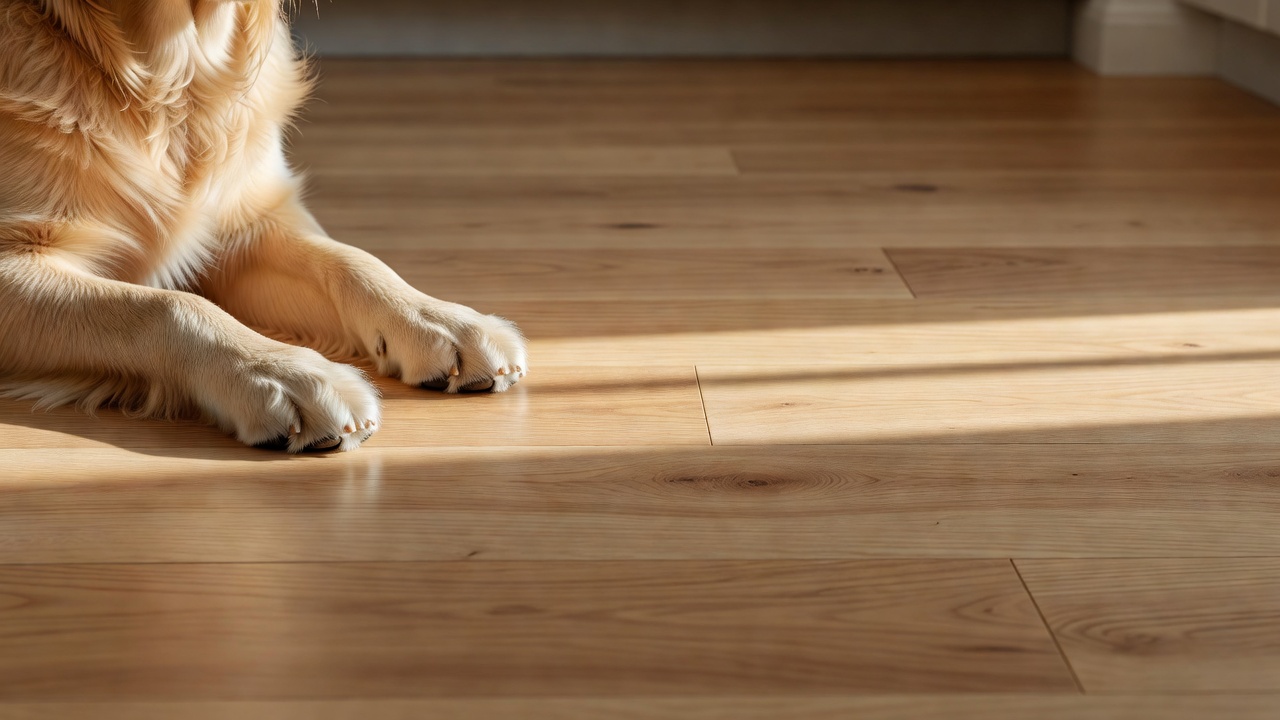
 The other morning my dog skidded across the kitchen after a rainstorm, nails clicking like tiny chisels, and I watched the light catch the surface of the LVP instead of worrying. That’s the moment the materials nerd in me always wakes up. LVP wear layer thickness is the single most useful number on the box if you care about scratches, scuffs, and whether the floor still looks like a floor five years from now—more useful, frankly, than the overall plank thickness everyone fixates on at the showroom.
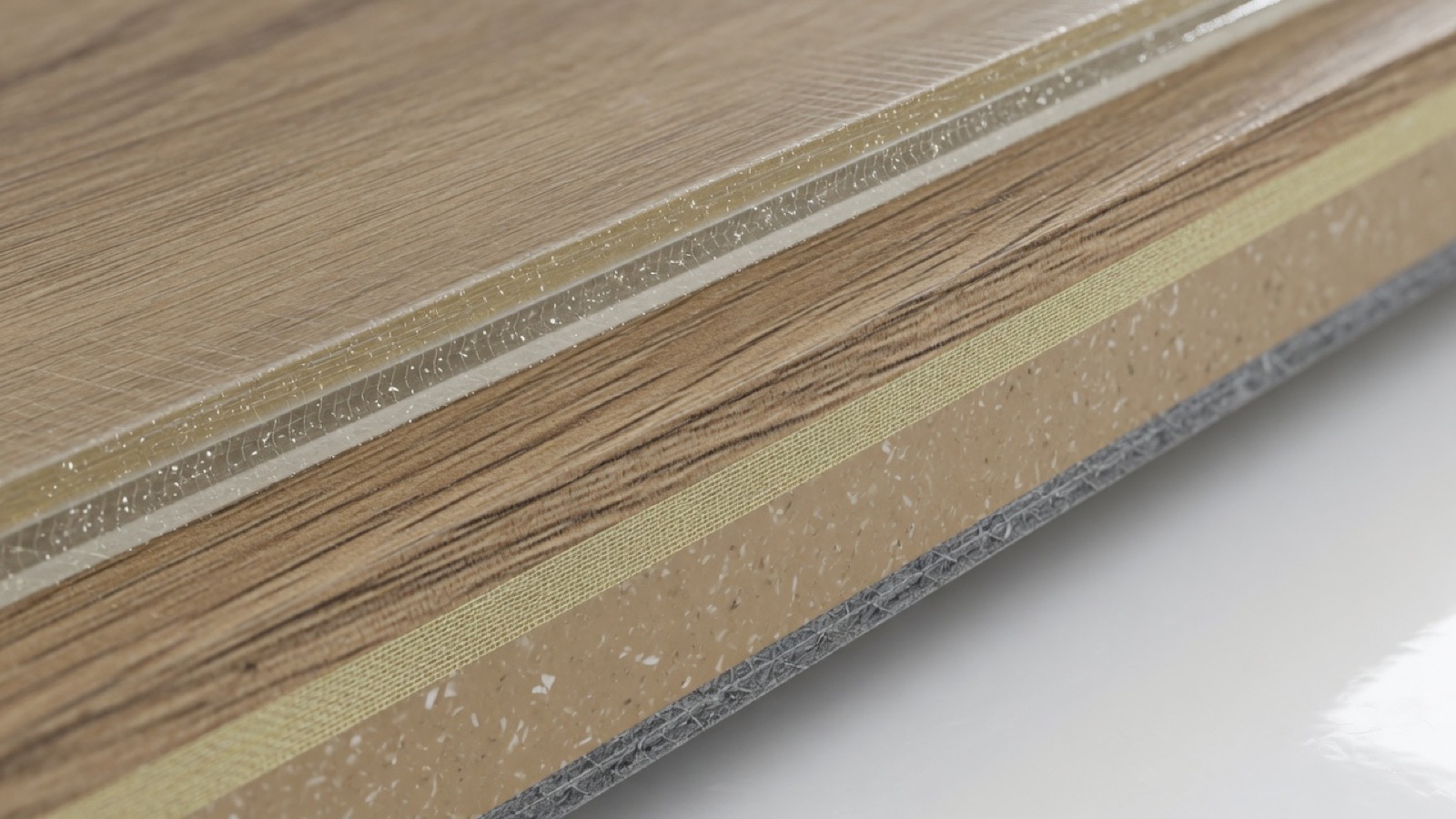
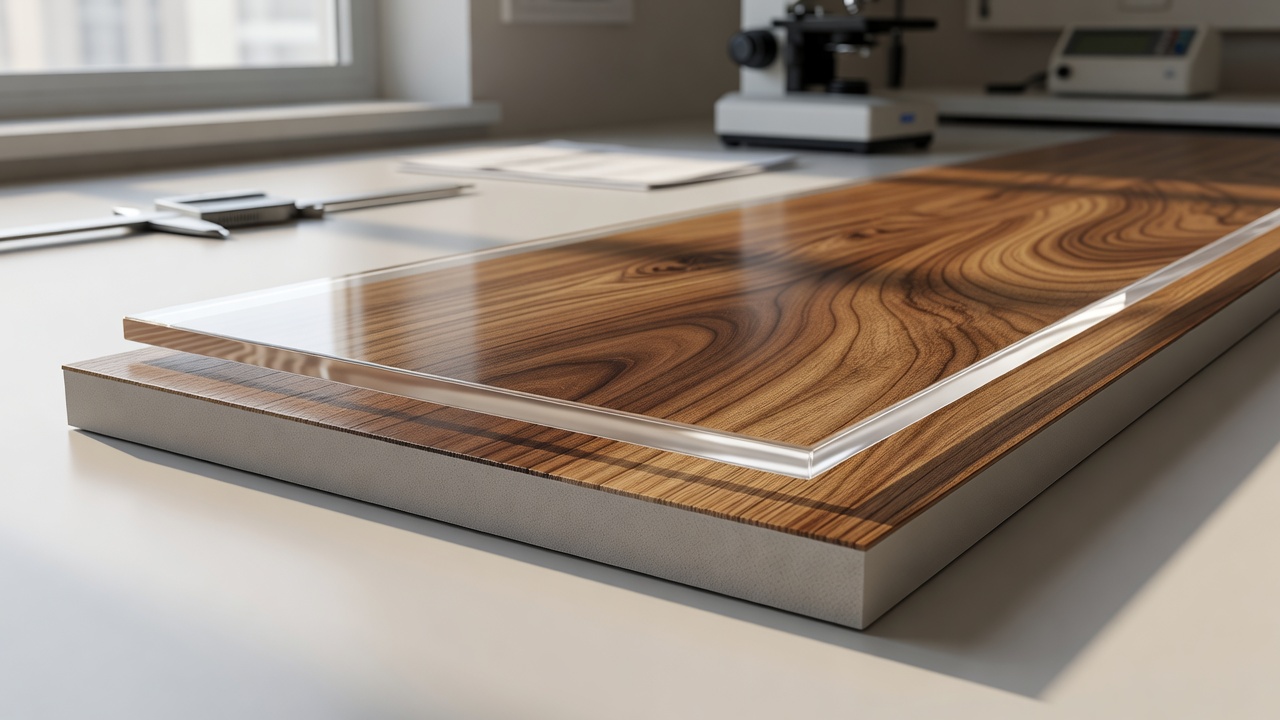
A wear layer on LVP (or vinyl flooring) is the clear protective topcoat—usually a polyurethane or enhanced PVC film, sometimes loaded with aluminum oxide or ceramic beads—measured in mils (one mil = 0.001 inch) that sits above the printed design layer and takes the daily abrasion so the pretty picture underneath doesn’t. Thicker generally lasts longer under traffic; the rest of this post is the “why” and the “how much is enough.”
What is a wear layer on LVP or vinyl flooring?
Think of it as sacrificial armor. Manufacturers extrude or coat a transparent polymer film onto the decorative print layer, then cure it (UV or thermal) so the chains cross-link into a harder network. That film is what your chair legs, grit from the sidewalk, and the aforementioned dog nails actually meet. Under a microscope you’d see a relatively smooth, dense surface that gradually abrades rather than the soft vinyl core tearing. Lab people talk about Taber abrasion (ASTM D4060-ish territory) or residual indentation; in plain English those tests are “how many cycles of sandpaper-on-a-wheel until the print shows through.” The mil rating is simply how much material you bought to lose before that happens.
I always flag this part: mil thickness alone doesn’t tell the full durability story. A well-formulated 12 mil with ceramic beads can outlast a soft 20 mil that was basically just thicker PVC. Formulation and topcoat additives matter. Still, thickness is the easiest proxy shoppers get, so we use it.
How thick should the wear layer be for residential use?
Here’s the traffic-based shorthand that actually maps to real homes, not just brochure charts:
- 6–8 mil: light-duty, guest room, low-traffic rental flip. Fine until it isn’t.
- 12 mil: the residential workhorse. Most multi-person households, average pet traffic, normal chair scoots. This is where warranties usually start sounding confident.
- 20 mil and up: high-traffic kitchens, mudrooms, homes with large dogs or kids who treat the floor like a skate park, light commercial. The extra thickness buys you years before scuff-through.
For most people asking “how thick should LVP wear layer be,” I default to 12 mil minimum and push toward 20 mil if you already know your household is hard on surfaces. The jump from 12 to 20 is not linear magic—it’s more material between the grit and the print—but it is meaningful under repeated abrasion. [LINK: best LVP for high traffic areas] has more on matching product to room.
Sorry, that was the chart version. The physics version is: abrasive wear rate scales with load, grit hardness, and number of cycles. Thicker film simply gives you more cycles before breakthrough. Gouge resistance (dropped cast-iron skillet, stiletto heel) is more about the core and the wear layer’s toughness/elasticity than pure mils, which is why you can still dent a thick-wear-layer plank if the core is soft.
Does wear layer thickness matter more than overall plank thickness?
Yes—for surface longevity. Overall plank thickness (usually 2–8 mm) is mostly core plus backing; it influences underfoot feel, sound, and how well the plank bridges minor subfloor imperfections. It does almost nothing to stop the printed oak grain from wearing off under the dining chairs. I’ve seen 8 mm planks with a sad 6 mil wear layer look tired in two years, and 4.5 mm planks with a serious 20 mil topcoat still camera-ready after a decade of real life. When you’re comparing boxes, read the wear layer first, then decide if you also need the extra millimeters for acoustics or floating-floor stability. [LINK: wear layer vs plank thickness] if you want the side-by-side nerdery.
One dry observation: retailers love quoting total thickness because bigger numbers feel premium. Your dog’s nails do not care about the marketing.
Is a 12 mil wear layer enough for pets and kids?
Often yes, with caveats. A quality 12 mil (especially with aluminum-oxide or ceramic reinforcement) handles normal pet claws, dropped toys, and the grit kids track in, provided you do basic maintenance—walk-off mats, felt pads, occasional sweep so you’re not grinding sandpaper into the film every day. If you have a large energetic dog, multiple pets, or a household that treats the kitchen like a parkour course, 20 mil is the calmer choice and usually carries a longer residential warranty. Failure modes split roughly into two camps: gradual scuff-through (abrasion eats the film until print shows) versus sudden gouge (sharp impact punches through). Thickness helps both, but formulation and the rigid core beneath help the second more. I keep a 20 mil sample at home just so I can watch visitors try to scratch it with a key and look disappointed. Science entertainment.
What’s actually happening when the wear layer fails
- Micro-scratches accumulate from silica grit (the stuff on shoe soles) acting like tiny cutting tools under foot traffic pressure.
- The polymer network abrades; any ceramic or oxide particles slow the rate by presenting harder asperities.
- Once enough mils are gone, the print layer is exposed and UV/dirt discoloration accelerates—the “my floor looks cloudy and old” stage.
- Deep gouges bypass the gradual process and create sites where moisture or dirt lodges, which is why felt pads and no-stiletto rules still matter even on thick films.
Isn’t that wild? A few thousandths of an inch of engineered polymer is the only thing between “still looks installed yesterday” and “time to shop again.”
FAQ
What is a mil in flooring?
A mil is one-thousandth of an inch (0.001"). So a 20 mil wear layer is 0.020 inches thick—thin in absolute terms, thick in flooring-armor terms. That’s why the number feels small until you remember how little material is doing all the work.
Is thicker LVP wear layer thickness always better?
For abrasion life, yes, assuming comparable formulation. Diminishing returns exist, and a poorly made thick layer can still underperform a well-engineered thinner one, but within reputable brands the 20 mil option reliably outlasts the 12 mil under the same traffic.
Can I recoating or repair a worn LVP wear layer?
Not practically at home the way you might refinish hardwood. Once the film is compromised you’re usually looking at plank replacement or living with it. Prevention (mats, pads, thickness choice) is the actual strategy.
Do commercial ratings change the mil advice?
Commercial products often start at 20 mil and climb, with tougher topcoats, because the cycle counts are brutal. For residential, you rarely need true commercial spec unless your “home” doubles as a yoga studio with 40 students a day.
I still catch myself checking the light rake across the kitchen after the dog does her skid routine. The surface holds. That little clear film—polymer chains, maybe some oxide particles, a few mils of carefully cured protection—is doing quiet, excellent work under everything else we notice. Next time you’re standing in a flooring aisle, flip the sample and look for the wear-layer number first. Then you can go back to admiring the fake oak grain with the calm of someone who knows what’s actually keeping it intact.