Laminate Flooring – The highest value
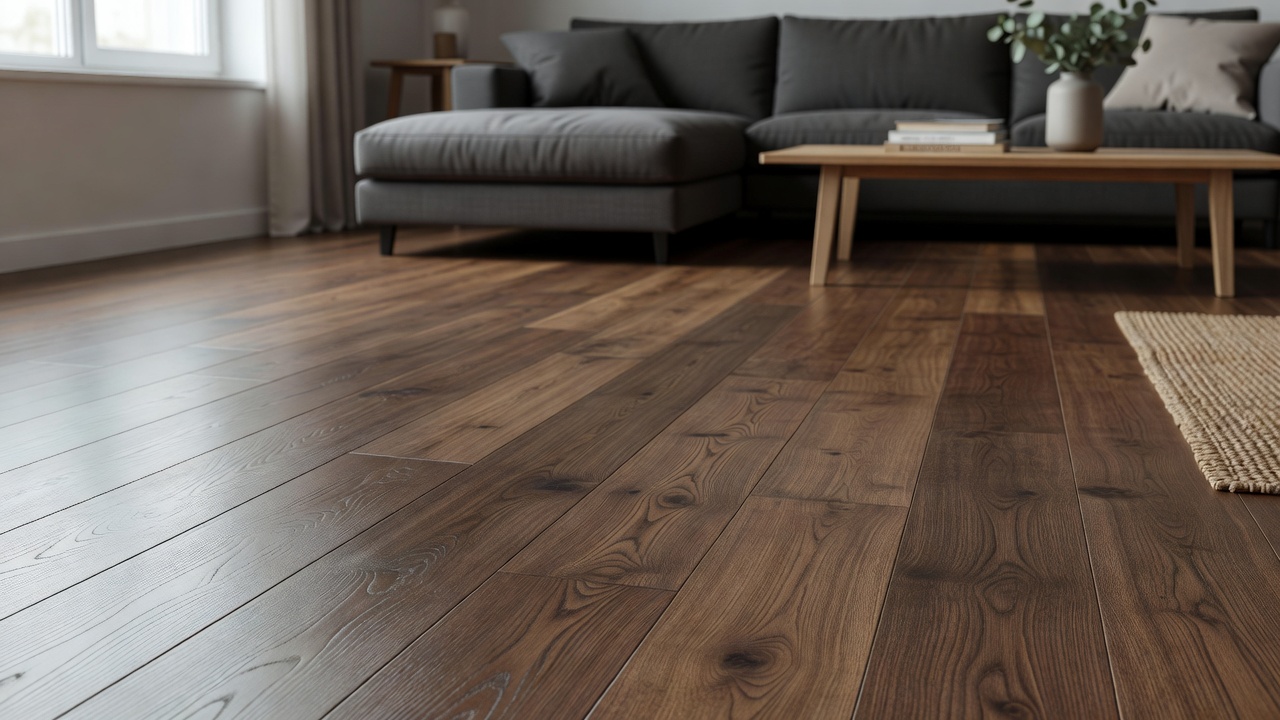
The best value laminate flooring choices are rarely those floors that are advertised for 59 cents per foot. Those lost leader items often are not built to last, but built to offer a nice look for a cheap price. If you have ever walked through an IKEA that has had a laminate floor installed for a 6-12 months you can see how terrible those cheap floors hold up over time.
The best value laminates are most often those in the $2-$3 per foot range which have a series of features and benefits that are impossible to see, but are there nonetheless.
Some of these features include a higher density fiber board core, which will resist moisture without polluting your home with formaldehyde – a known cancer causing carcinogen. Do you think logically the core in the 89 laminate is the same quality standard as the core on a $3.00 laminate?
The grams of aluminium oxide are also very critical to a tough wear surface. Ratings of AC2 are for lower wear areas and may be fine for a bedroom or non-critical areas, but having AC3 or AC4 is better and more durable for the long run.
Surface effects like handscraping, high gloss, easier cleaning and so much more are all a part of these better quality floors.
There are countless other factors that are important, but are so technically boring that it is not important to list them. It’s just important that you understand they exist.
Maybe it is true that you get what you pay for, but there is one exception: Brand names will charge a premium for their flooring that probably adds another $1-$2 per foot. So just because you see a laminate floor that is $5.00 per foot doesn’t automatically make it better. Brands have to support their marketing investments and often they sell to a distributor who sells to a retailer who sells to you. (sometimes there is even another buying group/agent middleman in there!) All that that inflates the price without adding value.
Finally there is a margin expectation in a store that is higher than alternative sources like the Internet. A store which often buys from the 2-4 step supply chain and then still needs a 50% margin will have a much higher price on the exact item than a more direct seller.