Santos Mahogany
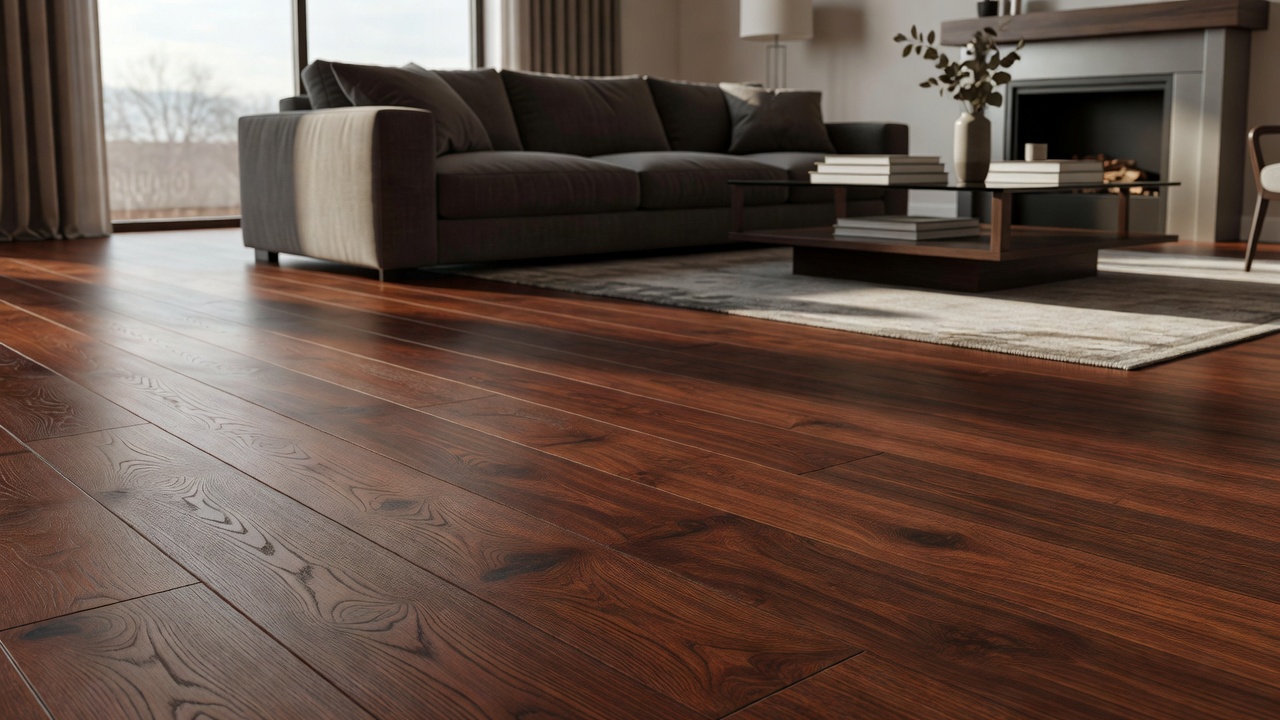
Q: Santos Mahogany, natural and not laminate:
I have owned Santos Mahogany in a number of homes and the color from all vendors was always the same – a rich red with some brown and yellow undertones.
I was told by your Manager, Mike, that Santos Mahogany is actually a light brown and will not redden over time – further, all the previous purchases were stained. Santos Mahogany is never the color I and everyone I know associate with SM.
Please clarify.
Thank you.
W
A: Santos Mahogany, also known as Cabreuva, is a species of Mahogany originating from Southern and Central America. Much like many exotic species of hardwood the rich variants of color found in Santos Mahogany make it a highly desire and popular species of wood in the flooring industry. Like most wood species, the coloring found in Cabreuva depends on what portion of the tree the wood is coming from and the grade of the flooring. Clear grades of Santos will have much more uniform color than select or lower grades.
The sapwood for Santos Mahogany tends to have pale brown coloring with some red or amber tones, but the heart wood tends to have much more of the red color and even gets some purplish-red tones. This being said, both you and Mike are correct. Much of the Santos Mahogany I have seen tends to be brown with red undertones, so depending on the lighting you can see more red in the flooring rather than the brown tones more prevalent in the sap wood. Clear grades of Santos will tend to have a more uniform coloring, typically brown with red tones, where as select and lower grades will give a bit more variance, ranging from amber tones of pale brown to deeper reds which seem to have near purple grain patterns to them.
Some manufacturer’s will add stains to their finish to bring out specific color tones found naturally in a particular species of flooring, so in some cases the deeper reds are generated by applying a light stain to the finish of the Santos. Cabreuva does not tend to darken quite as much as some of the other exotic species of wood, such as Brazilian Cherry, but you will see a slight shift in color over time as this is a natural product. Sometimes this shift causes the red tones in the wood to become more prevalent or you can get a more amber or brown toned floor, it simply is a matter of the individual planks of wood and the environment it is in. A room with high amounts of sunlight will have more color change than something like a theater room where little or no light enters the room on a daily basis.
In the end here, it is mostly a matter of the specific product and plank selection which will determine the coloring you receive from any species of wood, especially exotic woods like Santos Mahogany. This is part of the beauty and appeal of wood floors – natural variation of color which when carefully laid out makes a floor become something close to art.