Tiling Over Concrete
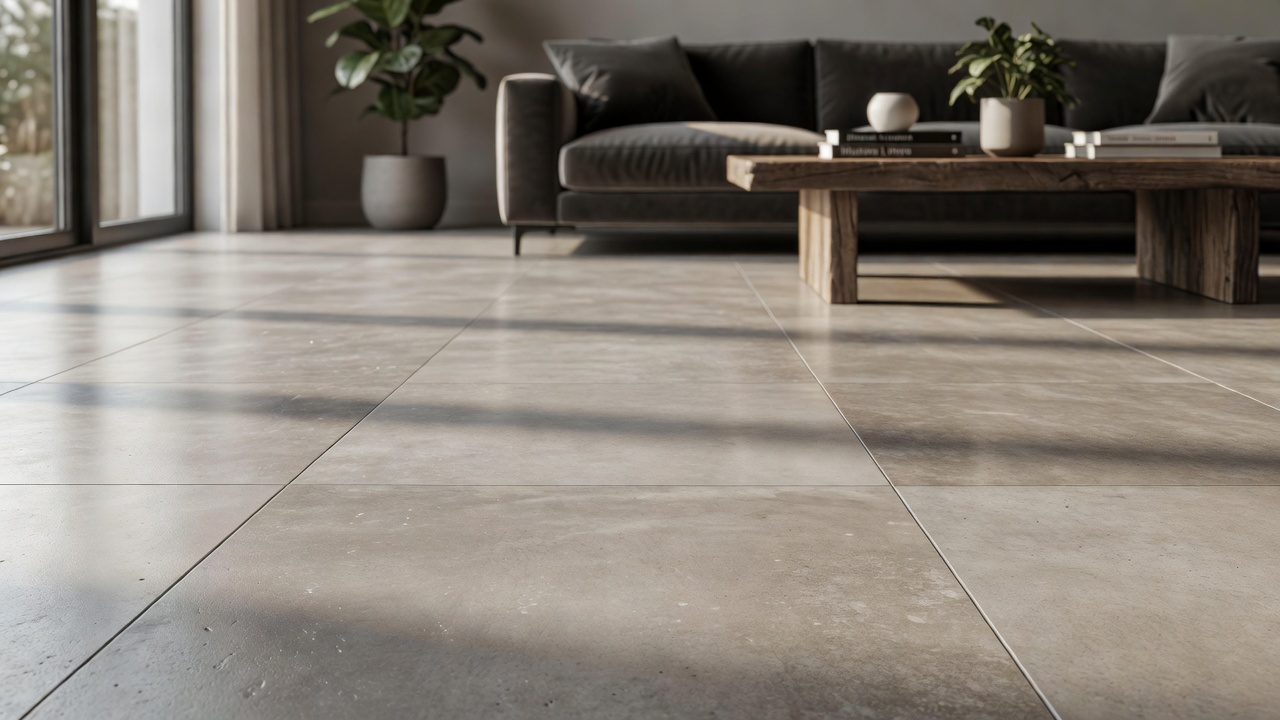
Q: I have an outdoor concrete patio and walkway that is approximately 700 square feet. The concrete is over 20 years old but in good condition. I want to lay porcelain tiles over the concrete. An installer told me that the best way to do it is to paint the concrete with a moisture barrier like RED GUARD and then lay the tiles. Does this sound right?
Thanks,
Diane from CA
A: This sounds fairly correct assuming there is a moisture issue with your concrete. It is fairly common to seal concrete, especially outdoors, before applying a new surface over the top. The key here is to ensure the sealant being placed over the concrete will not interfere with the adhesion of your mortar.
One thing to keep in mind here is that the Red Guard will not prevent the tiles you install from cracking, but if you install an uncoupling layer this will take care of the problem. Let me explain why the uncoupling layer is good and what it prevents. When you have a stone or tile surface installed over concrete, you will encounter in-plane movement. This movement occurs as the concrete expands and contracts (much like wood flooring) as temperature or moisture changes. When this movement occurs it places stress through the mortar and into the tile or stone surface installed over the concrete. Over time this causes cracking, which is why old tile floors will occasionally have a cracked tile or two. Now an uncoupling layer acts as a shock absorber of forms, absorbing all of this movement and preventing it from transferring to the stone/tile surface.
When doing your installation, you will lay some thinset mortar, then install the uncoupling layer. Now lay another layer of mortar and set your tile. A good uncoupling layer to use would be Schluter’s Ditra or any other similar quality uncoupling membrane.