What Floor is Best for My Project?
Flooring Over a Concrete Subfloor
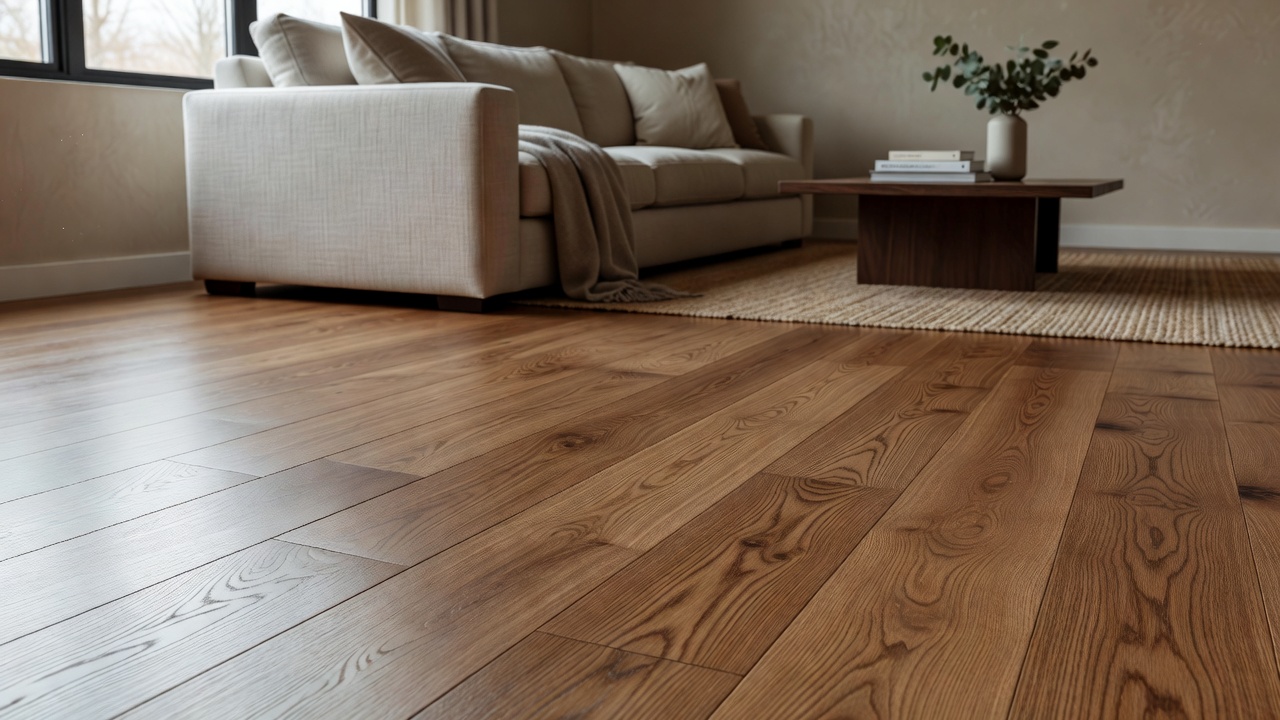
Q: I am currently constructing a concrete house in the sunny isle and would like to know which flooring is best. I would like to have finished flooring in the living room but have no clue which one is best suited to go over the concrete. Also let me what sealant would be needed to facilitate that process. I would appreciate any advice you have.
Thank You,
Sari
A: When flooring over concrete there are a few very important things you will need to do in order to have a successful floor. First of all, once all of your concrete is finished, any high quality concrete sealer will work, but keep in mind you will still need a moisture barrier between the floor and the concrete even after the concrete is sealed.
For flooring choices I will be honest that there is one single “best” floor, but there are several great choices which will be very successful. Since you will be installing over concrete this limits the installations methods and products you can look into. You can not nail down a floor to concrete and you should not install a 3/4″ solid over concrete. Although this removes some flooring choices there is still thousands out there, so lets talk about what you should look into and the pros and cons of each.
For installation methods you can either do a floating floor or a glue down floor. Floating floors are the easiest of installation methods and the most likely to not run into issues. The downside to a floating floor is that you can not put very heavy furniture likes fish tanks, book cases or large entertainment centers over them without risking problems with the floor. Glue down applications are better suited if you have heavier furniture going in this room since they are solidly anchored to the floor and are capable of being load bearing. The downside to a glue down application is that they take time and expertise. Glue is messy and is the most likely installation method to fail – so have a professional install your floor if you choose the glue down method and ensure a high quality adhesive is used.
Now lets look into floor choices you have – we’ll start with floating products. Laminate is a great choice as it is easy to install, very durable and gives the great look of wood floor. Engineered hardwood is another great choice, but make sure the product you are looking at is made to be installed as a floating floor. Floating cork planks and bamboo are also great choices here.
For glue down floors, look into engineered hardwoods, 5/16″ solid hardwood, cork and bamboo. 5/16″ is the only solid hardwood which can be installed over concrete safely, but you must glue it down. Engineered hardwood is a great choice as its construction makes it expansion resistant and you get a real hardwood surface for your floor. Glue down cork is also an excellent choice it is water resistant and provides a comfortable surface to walk on.
In the end, I would suggest you make your flooring choice based on what you expect out of this room. If this area is going to be higher traffic and is likely to have heavy items on it (such as a rec room), look into a glue down floor that is going to take the traffic well such as harder species of hardwoods (typically exotics) or cork. If this room is not likely to see heavy furniture and will see light to moderate traffic then you can look into floating floors of any type. With a floating floor, keep in mind that underlayment and a moisture barrier is critical. Look into higher quality underlayments to not only remove the hollow sounds on floating floors, but also to remove some of the spring and movement in a floating floor. Removing this movement makes the floor a bit more load bearing and able to withstand a bit more traffic.