Installing Wood Flooring Over Tile
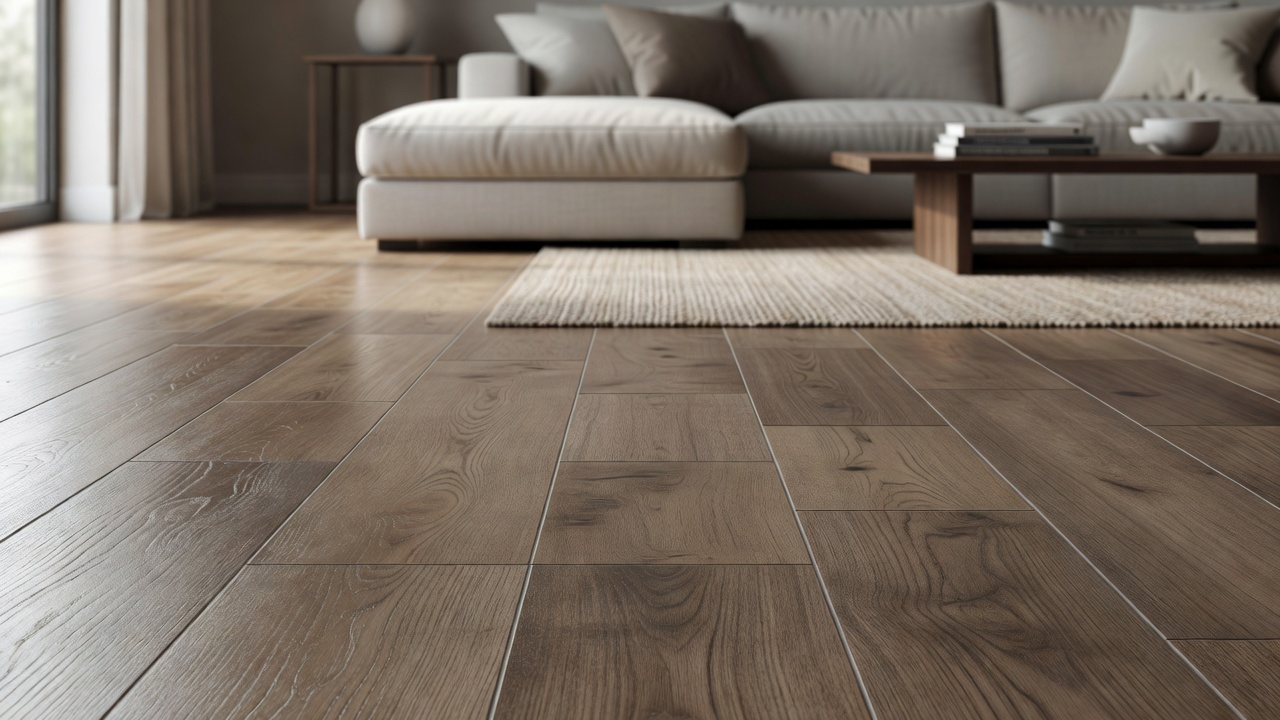
Q: Purchasing a house and it has all white tile downstairs (large tiles). I am used to having wood floors so the tile must go! The kitchen also has white tiles, but they do not match the other white tiles. I want to put wood (hardwood or bamboo) over the white tile and cork or bamboo in the kitchen. I know you can put floor leveler over tile, or float wood/bamboo, but is one option better than the other? Can you put cork over tile for the kitchen area? I know the base moldings would need to come up, etc.
Thanks much!
Mrs. Burr
Fort Myers
A: When it comes to installing wood flooring over tile, stone or concrete there are a few things to keep in mind. First off, you will need to account for what type of subfloor is underneath the tile itself. Secondly you should determine what flooring can and can not be installed in the downstairs portion of your home. If the downstairs sits at ground level, with no portion below ground level (also referred to as grade) then you have more options. If this is a basement or a portion of the downstairs is below grade (like when a home is built into a hill) then you can only install an engineered product or a 5/16″ solid which is suited for below grade locations. Also you will need to keep in mind what you expect this floor to do. If the floor will have a bit of heavier furniture on it, such as entertainment centers, fish tanks, pool tables, book cases, etc., then you will want to look into a floor which is glued down.
As far as flooring choices, I would suggest looking into an engineered product as they are far better suited for installation over concrete and tile. When installing over tile, you will want to level out the grout lines as best as possible. With floating floors, you will not need to do much prep work beyond making sure the tile is as level as possible, but in the case of glue down floors you will need to do a bit more work. Keep in mind, you will only need to glue the floor down if you will have heavier furniture over the floor.
When gluing a floor over tile, you will need to abrade the surface of the tile in order to make sure that the glue will properly adhere to the tile. If the tile is not abraded, it is likely that the adhesive will not set properly and the floor will fail.
You can install a cork floor over tile, but I would suggest looking into a floating cork plank rather than glue down tiles. Much like any floating floor, cork can be installed over tile and I would suggest for any floating floor going over a surface like tile that you use 3mm or 6mm cork as a underlayment. Cork’s natural density compared to foam or rubber based underlayment makes it far better under a floating floor when it comes to reducing the spring in a floating floor. This is also good when there is a variance in the subfloor, such as grout lines in tile being filled.
Between bamboo and hardwood, you can choose either so long as the floor is an engineered product. This will give you a much better chance of having a successful project than any other floor. In the end this becomes a matter of which appeals most to you, if you prefer a more traditional wood floor look, go with an engineered hardwood, if you prefer bamboo, get a good engineered bamboo.
For brands I would suggest looking into Kahrs, Saso, Sun Paratech or Westhollow for hardwood, Springwood or Ming Dynasty for bamboo and APC or Westhollow for cork. Remember, your best bet is an engineered product and if you have a floating floor, it would be a good best to use a moisture barrier a long with your underlayment.