Flooring for Bathrooms
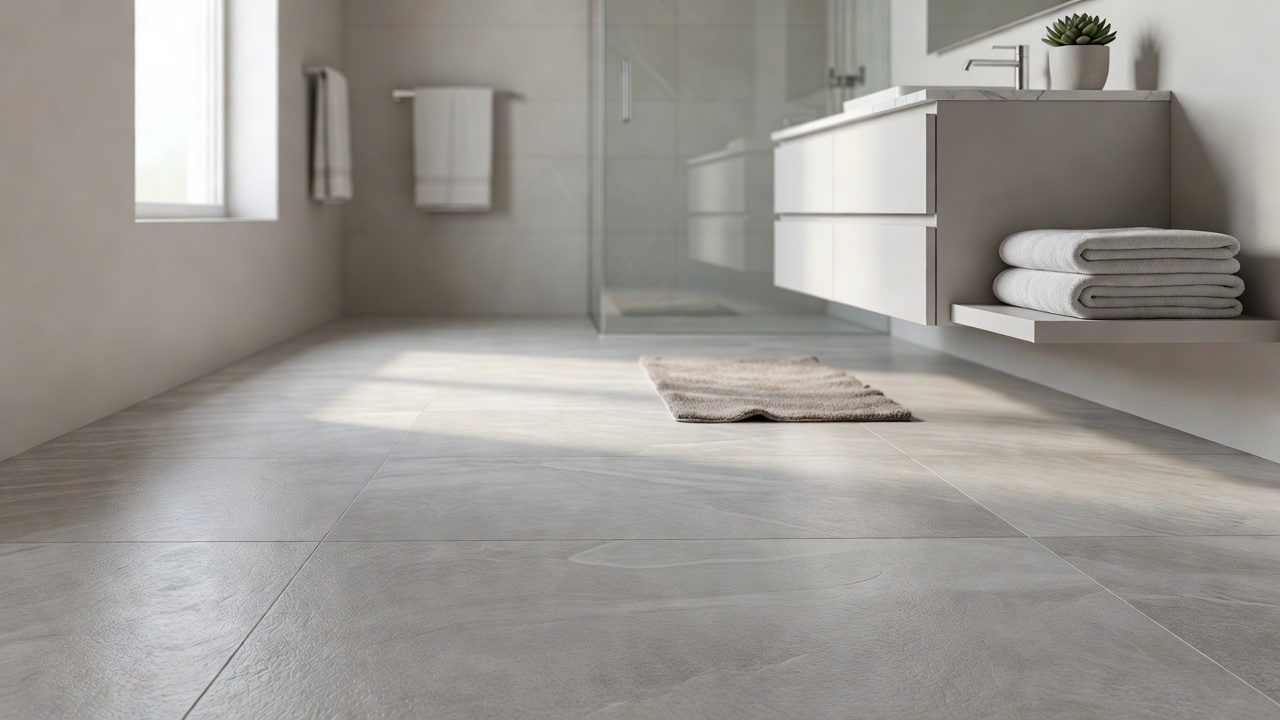
For this month’s editorial I’d like to go into a bit of depth about flooring for bathrooms. As we get closer and closer to the start of the remodeling season, folks will be looking into what sprucing up they can do around the home. One of the most common questions I get has to do with flooring bathrooms, so let’s dig in a bit here and go into viable choices.
As with any floor, you will first need to go over what performance and expectations you have for your floor. If you have children, especially younger children, you will want to consider different floors than for a home with only adults. With bathrooms, the biggest concern you are going to run into is moisture. As I have mentioned many times wood and water do NOT mix; however, it is not impossible to make a wood floor succeed in a bathroom or similar higher moisture places.
I borrowed this great photo from Steve’s blog. Below is a bathroom done with Tigerwood out in the Magnolia area of Seattle, WA. This particular home was amongst a small group done by my good friend Gene D., iFLOOR’s commercial contract manager.
Step One
Determine what you will expect your floor to do and the type of traffic and moisture potential for the bathroom.
If you have younger children, intend to take very hot showers (lots of water vapor in the air), or tend to leave wet towels/clothing on the floor you will want to look into flooring which is more resilient when it comes to moisture.
If your home is one with adults or older children and you expect little to no water to be on the floor and intend to use proper mats near showers/baths to protect the floor, you have more options.
Step Two
Determine your flooring options and the pros and cons of each.
Stone or Tile
Stone and tile are the most resilient floors you can get. Stone and tile not only can take abuse, but are virtually impervious to problems from moisture. The down side you get with stone is that it is usually cold under foot and not as comfortable feeling as other flooring types.
Hardwood and Bamboo Flooring
Hardwood flooring’s natural beauty and elegance make it one of the most popular flooring choices available. With wood flooring the choices are seemingly endless. The downside to wood flooring is that it is susceptible to moisture damage and is less resistant to scratching and denting although this is based on the species of wood used.
Laminate Flooring
Although still in the wood flooring category, laminate is a step above traditional hardwood floors when it comes to abrasion resistance and moisture resistance. Although more resilient than most traditional wood floors, Laminate is still made from a wood fiberboard core and is thus susceptible to damage from excessive moisture.
Cork Flooring
Cork flooring has a few advantages over the rest of the wood flooring genre, especially when it comes to a bathroom. Cork is a naturally water resistant product, hence why we use it for bottle stoppers. Much like wood, cork can have problems when excessive amounts of water get on the floor or standing water is left on the floor. Another big benefit to cork is that it is a natural insulator, which means that the floor will remain a bit warmer than most other floors, typically staying at the same temperature as the room it is in. A final perk to cork is that it is naturally softer than other hard surface floors, which means it feels great under your feet, but unlike other wood floors, cork is naturally dent resistant. Cork has a feature known as memory, so when cork is dented it slowly will push out these dents as it tries to return to its natural state (essentially remembering how it is supposed to be). The downside to cork in this case is that it is susceptible to gouging much like vinyl, so avoid dragging heavy items over the top of a cork floor as this can dig in and gouge the floor.
Vinyl
Much like stone and tile, vinyl is virtually impervious to water and is fairly resilient, which makes it a common choice for high moisture areas. Nowadays vinyl comes in various appearances including some very nice looking wood plank appearances. The only downsides you will get with vinyl is that, much like stone/tile, will be fairly cold under foot. Also, much like cork, vinyl is susceptible to gouging when heavier objects are dragged over vinyl without using casters or furniture movers.
Step Three
Choose your floor based on performance and its qualities.
If you are unsure here, I would suggest looking into Vinyl or Stone/Tile as these are the most resilient options when it comes to high moisture potential areas. If you won”t be encountering kids having cannonball contests in the bath and a likeliness for wet clothing or towels to be sitting on your floor, looking into wood flooring types is an option.
Step Four
Choose your installation type and install your floor.
In the case of stone and tile or vinyl, you have specific installations that must be done. In the case of stone, one thing to keep in mind when laying your thinset mortar that if you are installing over concrete, use a uncoupling membrane to ensure that you will not have issues with the stone or tile cracking.
With wood floors, look into a glue down application when the product allows for this type of installation as it can give you a bit more moisture sealing. In the case of floating floors, look into putting a bit of tongue and groove glue into the locking mechanism in order to add a small bit of moisture protection into the joints.
Final Notes
When working on your bathroom, keep in mind that the biggest problem you will encounter is standing water getting on the floor, especially with wood flooring. Being able to prevent standing water or high amounts of water vapor in the air will vastly increase your flooring options as well as the longevity of the floor in your bathroom. Use proper mats near bath tubs and showers to prevent standing water from getting onto the floor. Do not leave wet clothing or towels on the floor and clean up any spills ASAP. Around toilets, use a bit of silicone caulking or something similar to add a bit of moisture seal around the edges of your floor.
Here is another great image I borrowed from Steve’s blog. Again we are looking at a home finished by Gene D. in the Magnolia area of Seattle, WA. Here you can see the bathroom done in natural Slate tiles.