Laminate
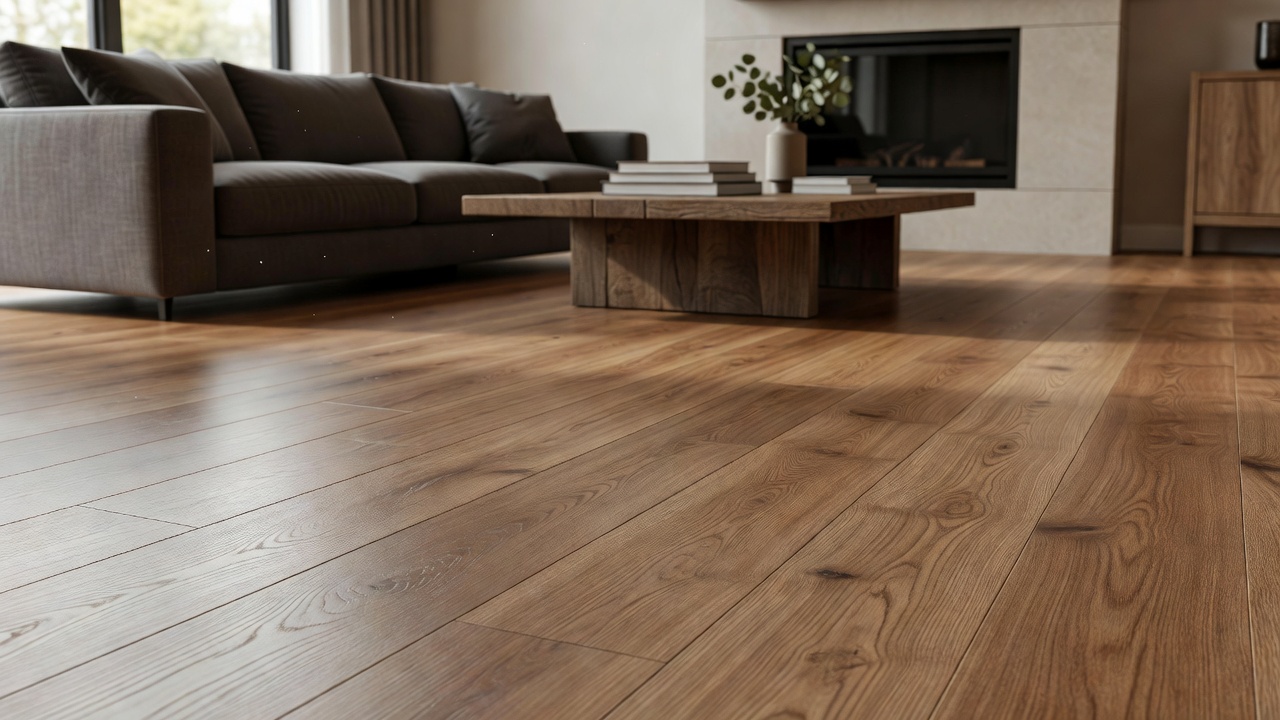
A common mis-perception that seems to have made it’s way into the flooring market is that the thicker a product is the better it must be. I have talked about this before, but felt it was worthy of discussion again.
Although there are some benefits to thickness as a general rule; one should not automatically assume that because a laminate flooring is thicker that it is tougher; by the same token just because a floor is thinner doesn’t mean it is worse.
Overall the durability of the floor is more reliant on the things your eye cannot see like:
What is the surface coverage of aluminum oxide? In other words: how many grams? Or an alternative source of that information is what is the Taber test result?
What is the quality of the surface wear layer and who made it?
What is the quality of the decor paper used (will it fade) and who made it?
What is the density of the core board?
What is the formaldehyde content of the core board?
The list goes on and on.
As always much of the process boils down to basic question of who are you going to trust? There are far too many things for an average flooring purchaser to keep track of, so you have to find someone your comfortable with and trust them. When you see 12mm for $1.59 you should ask yourself if that really is a quality product or not. We could sell 12mm for $.99 cents but it would basically be a crappy built product. Buyer beware!
I continue to see 12mm flooring that doesn’t pass basic residential minimum standards imported by some companies that may or may not understand what the product really represents. I also see other products which are built to last that are great values overlooked at times because they are 8mm or similar thickness. Laminate flooring is a very dynamic product and I expect more fun and exciting developments (aka: additional confusion points) to launch soon!