What Floor is Best for My Project?
Outdoor Flooring
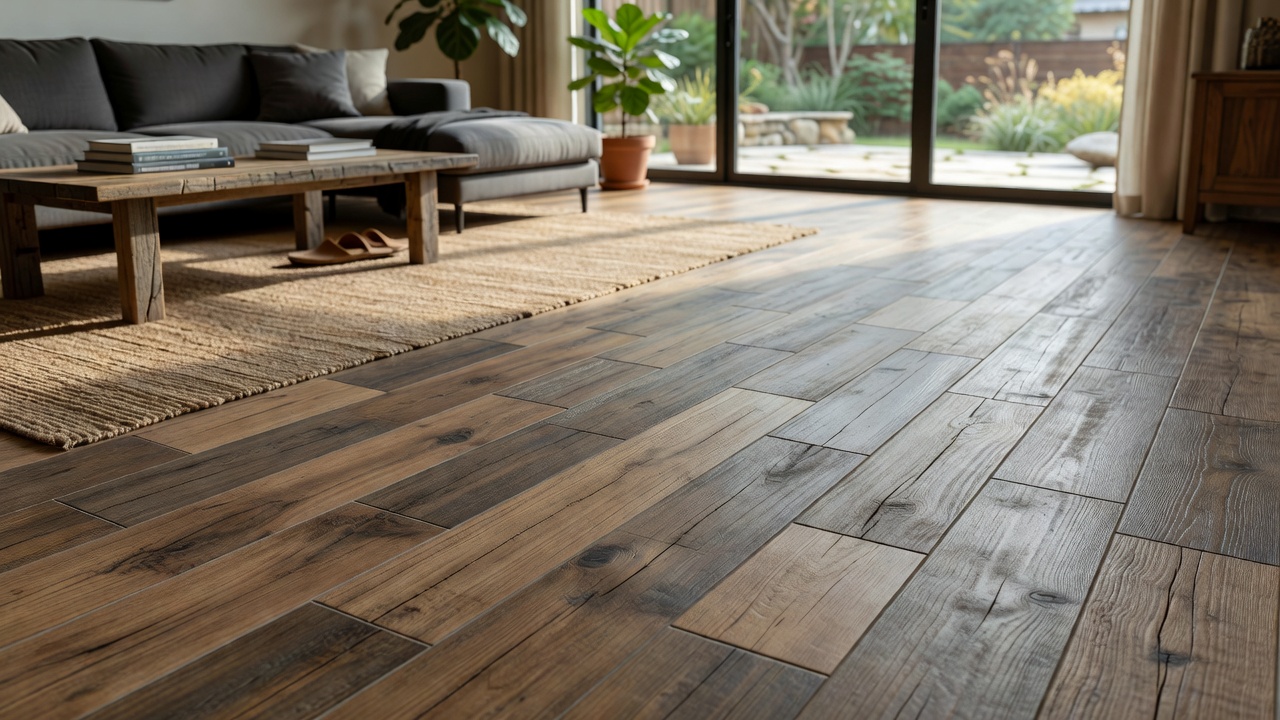
Q: I live in Central New Jersey approximately 2 miles from the ocean. I have a second floor covered porch with the option to have it screened in or open. The porch is situated on the southside of the house and when it rains / storms usually the rain is driven in either a northeasterly or easterly direction. I recently removed the hardwood T & G floor which had 1/8″ plywood for a subfloor. The perimeter was constructed of 2×4’s on end supporting 4×4’s.
I have replaced the rotted wood and sistered the main supporting beams. I have replaced the perimeter 2×4’s, which were so rotted I could stick my finger through them and the wood had the appearance of being burnt…anyway I have replaced the 2×4’s with pressure treated 4×4’s and new pressure treated 4×4 supports. The subfloor is 5/8″ T & G plywood with new 2×4’s on end supporting the subfloor. The subfloor has been liquid nailed as well as screwed down. The flashing has been placed around the perimeter as well.
My question is what is the best or recommended flooring for this type of area (outdoor porch)? I have been hearing that laminate wood is now tolerable to water but I’m not sure if it’s tolerable for a considerable amount of rain. I’m afraid it would swell too much and begin to buckle. I have been thinking of Bamboo as well. Is there anything in the wood floor aspect that is water proof / resistant? If all else fails I suppose I could just use hardwood and seal it? Any suggestions?
Thank you for your time.
Sincerely,
Daniel
A: Generally speaking, nearly all flooring is not built to withstand the wrath of mother nature. Typically when it comes to decks and porches, I suggest using finished lumber or decking materials which you can seal on site. Vifah makes a very nice snap together decking material which has an excellent appearance when laid out. Beyond this you could look into a product like Mannington’s iCORE, which features and entirely composite construction built to be put into situations like yours where there will be a lot of water.
Although laminate is rather resilient it is still a wood product, which means that should water get beyond the finish and into the underside of the product or inside the locking mechanism the product will swell up and cause all sorts of nasty issues.