Westhollow 3/8” Engineered 3” Bubinga Deep Cognac
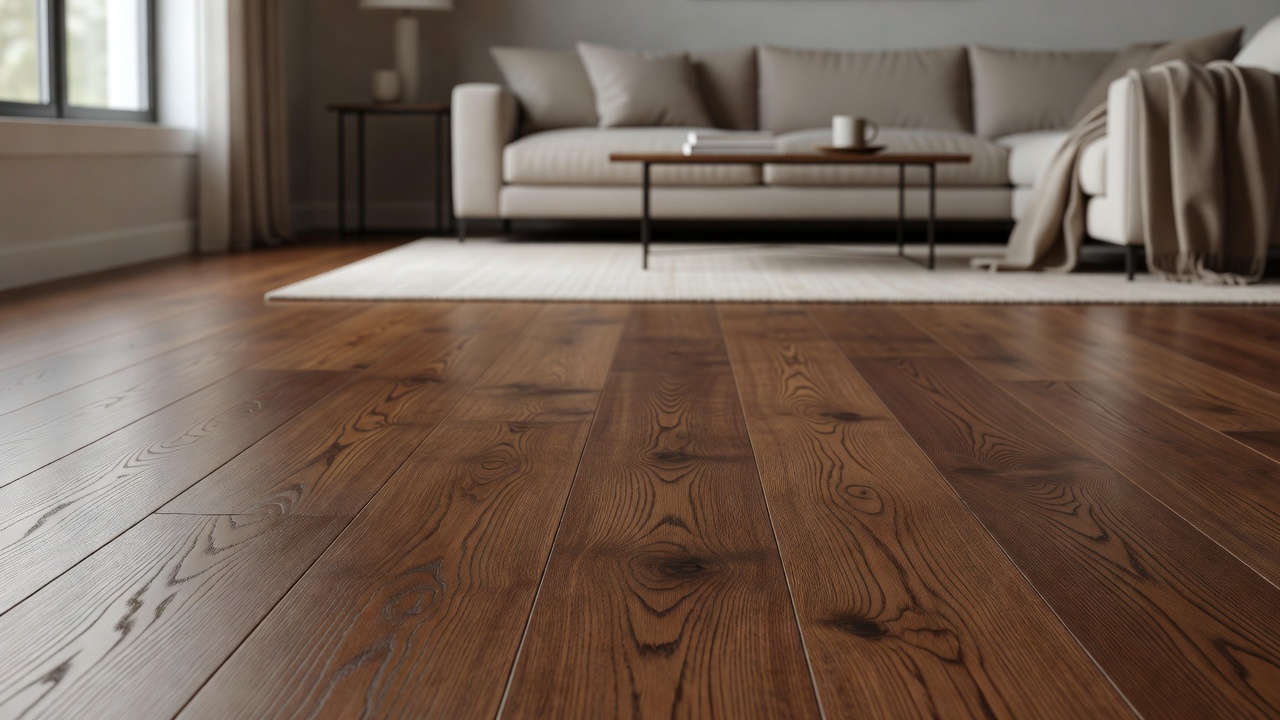
Q: I am wanting to replace the carpet and vinyl in an “L” shaped area that is my living (approx 310 sq. ft.) and dining area (approx 110 sq. ft.) with wood floors. My home is only 5 years old, located in Charlotte NC with a concrete slab sub floor. I am very interested in the Westhollow Wood 3/8” Engineered 3” Bubinga Deep Cognac floor and I plan on installing it myself. I have no animals that can scratch the floor and everyone takes their shoes off when you enter the house. My questions are as follows:
- Is this floor a good choice for this area and subfloor?
- What is the best underlayment for this application?
- My neighbor installed an engineered floor (different brand) and you notice the ends of each plank, with the Westhollow floor how do you prevent this?
- What are pros & cons of the microbeveled edges vs, the straight edges?
- Does this particular color show dust more than others and does it make a small room look smaller?
I really want the floor to look very rich and inviting. It will be the first thing you see when you open the front door and I don’t want to notice the ends of the boards, that it’s not a solid hardwood floor or a DIY project. Any advice or pointers you can give me is greatly appreciated as I am trying to budget what I will need to do it the right way. Thanks.
Susan S.
A: The Bubinga flooring from Westhollow is a great floor. Being an engineered, its built to resist expansion and contraction from temperature and is also built to float or be glued to a concrete subfloor. Is this a good choice? Yes, especially if you love the color.
We recently had a new batch of the Bubinga come in, so I took a trip over to our sample department to get acquainted with the new batch of this great floor. If you’re looking for a rich color, the Bubinga is amazing. With any floor, I would highly suggest getting samples to actually have a piece of the floor in your hand. Another suggestion I have is to order multiple samples of a floor your set on, then put a few of them together and lay them down. This will give you an idea of how the edges look.
With the Westhollow engineered products, they have a great species/wear layer and in the case of the Bubinga the color goes all the way through the species layer. What your neighbor’s floor is (by my guess of course) is a stained floor, where the stain is not through the product, so different colors can be seen. Also, the micro bevel on this product helps accent the individual boards while still allowing you to see only the rich color of the floor. This is the major benefit of any bevel, it will accent each board, but with a micro bevel you will have no worries of dust accumulation as the bevel is so slight.
A straight or square edge will show each board less dramatically. One issue that can occur with square edges is that slight differences in floor height become more obvious than when you have beveled edges.
As far as showing dust, darker colors will show dust more than light colors (just like cars). You will see a bit more dust with this floor than something like a white oak or natural maple, but if you keep up a good cleaning schedule (about once a week) this should really be no issue.
For underlayment, I highly suggest using Cork. The reasons behind Cork being such a superb underlayment are numerous, but the big things to focus on here is the density of the cork and the sound suppression granted by Cork. This will give you a comfortable yet solid feeling and sounding floor. This will make it sound a bit more like a 3/4” solid floor. Keep in mind, this is only if you intend to float the floor.
If you have heavier furniture (book cases, entertainment centers, etc) you may want to look into gluing this floor down. Should you go this route I would highly suggest having it done by a professional, but with a good cork underlayment you should be ok to float this floor without issue. In the case of a glue down, iFLOOR’s installer in the Charlotte area, Jose N., is amazing. Recently he was given an 11 out of 5 star rating from a customer which speaks for the work and service he provides. (For the Spinal Tap fans, Jose goes to 11).
One thing to keep in mind is smaller widths (like the 3” vs the 5” Bubinga) will make a room seem larger, but this also happens with lighter colors. The bevels, which accent each board, will also help to make it seem like there are more boards in the floor, thus helping to open the room up. The darker hue of this floor will give it a bit of a formal look, but also the great color is one that is a real treat to see, so it will definitely be seen when someone enters your home.
Here’s a few tips. This is a glue-together floor when it is being floated. This means you will need to use a tongue and groove adhesive between each board to anchor the boards together over the floor. Usually you will use a thin 1/8” bead of glue in the groove then slide the tongue of the next board into place, but always follow the suggestions from the manufacturer.
Order a couple of samples so you can see this floor in person. Put a few of the samples together to see how the edges will look and get a feel for the floor in your home (although I’m sure you’ll love it, I do). My final tip would be to take your time if you’re going to install this yourself. I do encourage you to visit our team down at the Charlotte store and get any tips they may have for you. Nate B. has a great floor in his home from Westhollow and I’m sure he can give you some great insight from his own experiences with his floor in the Charlotte area.
My final tip is to acclimate your floor. Give the floor plenty of time to acclimate to your home (I suggest a week or more). This will help to prevent any expansion and contraction issues because the floor should be accustomed to the environment of your home and will ensure your remains beautiful 10 years from now, just as it was when it was installed.